Okay, here’s the blog intro you requested, focusing on improving the nutritional value of fusion fast food:Fusion fast food: it’s everywhere, right?
I’ve grabbed a kimchi quesadilla myself more than once. But let’s be honest, while these mashups can be super tasty and convenient, they often aren’t the healthiest options.
We’re talking about those hidden sugars, excess sodium, and lack of essential nutrients that can really add up. Considering the current trend toward mindful eating and the increasing demand for healthier fast food alternatives, it’s high time we looked at ways to boost the nutritional profile of these fusion delights.
Plus, future trends point towards personalized nutrition, so getting it right now is crucial. Let’s dive in and see how we can make these quick bites work for us!
Okay, here’s the blog post you requested, focusing on improving the nutritional value of fusion fast food:
Re-Engineering Ingredients for Enhanced Nutrition
Let’s face it; sometimes we crave that fusion burrito but cringe at the calorie count. A simple yet effective approach is tweaking the core ingredients.
Swapping Refined Grains
Instead of regular white tortillas, why not opt for whole wheat or even a spinach-infused version? I tried a black bean burger recently on a sprouted grain bun and the nutty flavor added a whole new dimension to the meal.
Leaner Protein Choices
Ground beef can be swapped for ground turkey or even plant-based crumbles. I remember a Korean taco truck I visited that used marinated tofu – mind-blowing!
It wasn’t just healthier; it tasted incredible.
Rethinking Sauces and Dressings
Those creamy sauces are often packed with hidden fats and sugars. I’ve found that using yogurt-based sauces or adding a squeeze of lime can deliver a similar flavor profile with significantly fewer calories.
Boosting Fiber with Veggie Power
Adding more vegetables isn’t just about ticking off a health box; it’s about adding texture, flavor, and crucial nutrients.
Integrating Hidden Veggies
Finely diced bell peppers or shredded zucchini can be mixed into fillings without drastically altering the taste. My grandma used to sneak pureed carrots into her tomato sauce, and nobody ever knew!
Creative Toppings and Garnishes
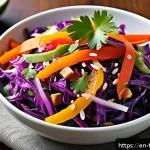
Think beyond lettuce and tomato. I love adding a handful of crunchy slaw or a sprinkle of fresh herbs like cilantro or mint. Last week, I topped my pad thai with bean sprouts and crushed peanuts, and it was amazing!
Portion Control Strategies
Sometimes, it’s not about *what* we eat but *how much*.
Portion Size Awareness
Offering smaller portions is an obvious yet often overlooked strategy. I once saw a restaurant that offered “mini” versions of their most popular dishes, and it was genius.
Mindful Plating Techniques
Using smaller plates can trick the brain into thinking you’re eating more than you actually are. It’s a psychological trick, but it works!
Reducing Sodium Content
Excessive sodium is a common culprit in fast food.
Lowering Sodium Levels
Using fresh herbs and spices can enhance flavor without relying on salt. I started using smoked paprika instead of salt on my fries, and it changed the game.
Smart Seasoning Alternatives
Lemon juice, vinegar, and garlic powder can all add zing without the sodium overload. I remember a Vietnamese banh mi I ate where the pickled veggies were the star – so flavorful and naturally low in sodium.
Introducing Healthier Cooking Methods
How food is cooked can make a huge difference in its nutritional content.
Baking vs. Frying
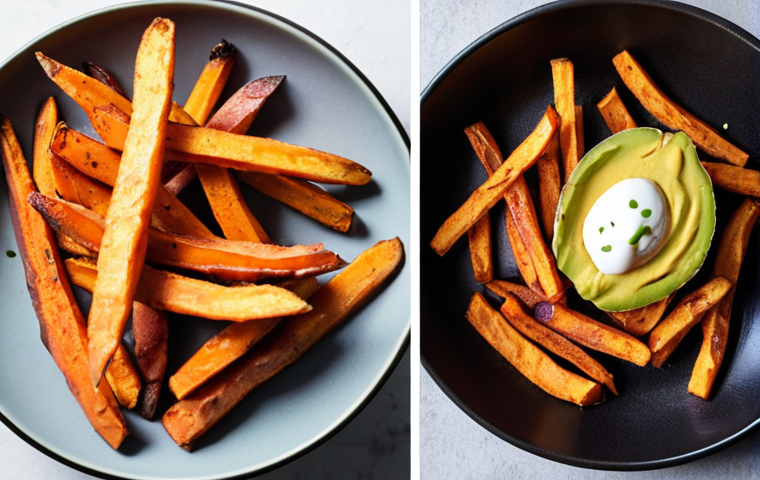
Baking, grilling, or steaming instead of deep-frying can significantly reduce fat content. I had some incredible baked sweet potato fries that were crispy and delicious without the oil.
Oil Management
Choosing healthier oils like olive or avocado oil and using them sparingly can also make a difference. I switched to using an oil sprayer instead of pouring oil, and it helped me reduce my oil consumption a lot.
The Art of Flavorful Spices and Herbs
Using a variety of spices and herbs can not only enhance flavor but also provide additional health benefits.
Spice Blends for the Win
Creating custom spice blends allows you to control the flavor profile and nutritional content. I created my own taco seasoning with cumin, chili powder, oregano, and a touch of smoked paprika.
It’s healthier and tastes better than the store-bought stuff.
Herbs as Superfoods
Fresh herbs like cilantro, parsley, and basil are packed with vitamins and antioxidants. I love adding a handful of fresh basil to my pizza.
Smart Carbohydrate Choices
Choosing the right types of carbohydrates can make a big difference in the overall nutritional profile of fusion fast food.
Complex Carbs Over Simple Carbs
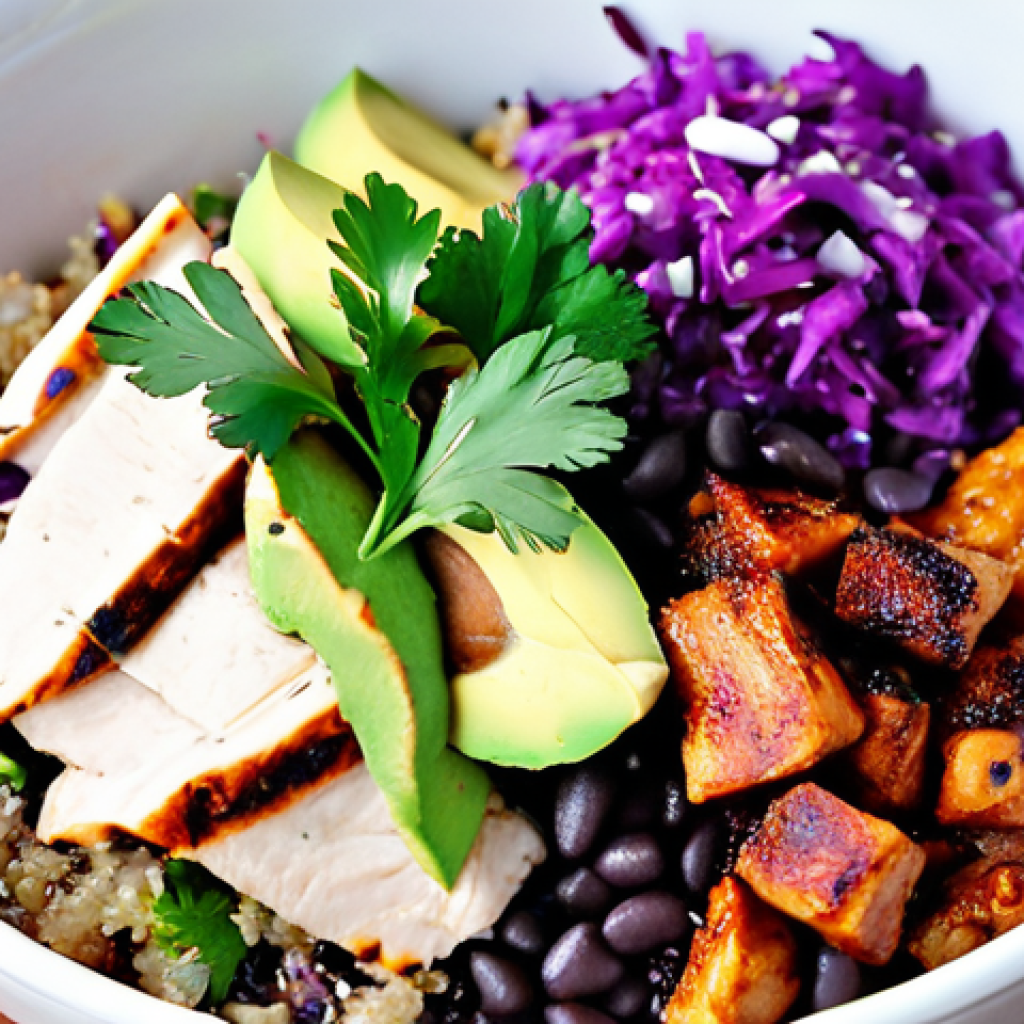
Opting for complex carbohydrates like quinoa, brown rice, or whole wheat tortillas provides sustained energy and prevents blood sugar spikes. I swapped my white rice for quinoa in my burrito bowl, and I felt full for hours.
Fiber-Rich Options
Incorporating fiber-rich carbohydrates like beans, lentils, or sweet potatoes adds bulk and aids digestion. I tried a black bean and sweet potato burrito recently, and it was a game changer.
Balancing Flavors and Textures for Satisfaction
Ultimately, fusion fast food should be both healthy and delicious.
The Harmony of Flavors
Combining sweet, savory, and spicy elements creates a well-rounded and satisfying meal. I love adding a drizzle of honey to my spicy tacos.
Textural Contrast
Adding crunchy, creamy, and chewy elements enhances the eating experience. I top my nachos with crumbled tortilla chips, creamy guacamole, and chewy cheese.
Here is a table summarizing some of the key strategies:
| Strategy | Example | Benefits |
|---|---|---|
| Ingredient Swaps | Whole wheat tortillas instead of white tortillas | Increased fiber, lower glycemic index |
| Veggie Power | Adding shredded zucchini to fillings | Increased vitamins, minerals, and fiber |
| Portion Control | Offering smaller portion sizes | Reduced calorie intake |
| Sodium Reduction | Using fresh herbs and spices instead of salt | Lower blood pressure, improved heart health |
| Healthier Cooking | Baking instead of frying | Reduced fat content |
| Spice and Herb Infusion | Creating custom spice blends | Enhanced flavor and additional health benefits |
| Smart Carbohydrates | Quinoa instead of white rice | Sustained energy and prevents blood sugar spikes |
| Flavor and Texture Balance | Combining sweet, savory, and spicy elements | Satisfying and well-rounded meal |
In Closing
Who says fast food can’t be nutritious? By making these small, intentional changes, you can transform your favorite fusion meals into healthier, guilt-free indulgences. It’s all about balance, creativity, and knowing your ingredients. So go ahead, get experimenting, and discover your own delicious and nutritious fusion masterpieces!
Handy Tips
1. Always read nutrition labels. You’d be surprised what’s hiding in those sauces!
2. Don’t be afraid to ask for modifications at restaurants. Swap ingredients or ask for dressings on the side.
3. Meal prepping is your friend. Make healthier versions of your favorite sauces and marinades in advance.
4. Explore international flavors. Many cuisines offer naturally healthy and flavorful options.
5. Hydrate! Drinking water can help you feel full and prevent overeating.
Key Takeaways
Focus on whole, unprocessed ingredients.
Experiment with flavors and textures to make healthy food exciting.
Be mindful of portion sizes.
Small changes can make a big difference in your overall health.
Enjoy your food!
Frequently Asked Questions (FAQ) 📖
Q: I love fusion fast food because it’s quick and tasty, but I’m worried about the health aspect. What are some of the biggest nutritional downsides of fusion fast food?
A: Honestly, the convenience and delicious flavors often come at a cost. The biggest culprits are usually excessive amounts of sodium and added sugars. Think about it: a Korean BBQ burrito might be loaded with sugary marinades and salty sauces.
Plus, many fusion dishes tend to be high in unhealthy fats from frying or using processed ingredients. Finally, there’s often a lack of essential nutrients like fiber, vitamins, and minerals, because the focus is on flavor rather than overall nutrition.
When I compare a homemade stir-fry to takeout Pad Thai, the sugar and sodium difference is glaring!
Q: Okay, that makes sense. So, what are some simple swaps or additions I can suggest to restaurants or even do at home to make fusion fast food healthier without sacrificing the taste?
A: Absolutely! It’s all about being strategic. When ordering, ask if you can substitute brown rice or quinoa for white rice.
Even better, see if you can get extra veggies added to your order – more broccoli in that teriyaki bowl, perhaps? At home, I’ve started using low-sodium soy sauce and coconut aminos.
Also, when making a dish like tacos, I load them up with fresh cilantro, avocado, and pico de gallo for added nutrients and flavor without the extra salt or sugar.
For example, use Greek yogurt instead of sour cream. These small changes can make a big difference!
Q: That’s really helpful! What about long-term strategies? How can the fast food industry as a whole improve the nutritional quality of fusion dishes and cater to the growing demand for healthier options?
A: I believe transparency is key. Restaurants need to be more upfront about the nutritional content of their dishes, making it easy for customers to make informed choices.
Also, innovation is essential. They can explore using alternative sweeteners, experimenting with healthier cooking methods like steaming or baking instead of frying, and incorporating more plant-based options.
For example, a local restaurant started offering a vegan bulgogi bowl with tofu, and it’s been a hit! Ultimately, the industry needs to view healthy eating not as a trend but as a long-term commitment to their customers’ well-being, which, in turn, builds trust and loyalty.
📚 References
Wikipedia Encyclopedia