The Ultimate Fusion Sandwich Showdown Discover Your Next Craving

webmaster

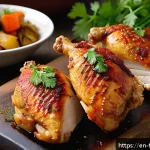
A gourmet Korean BBQ Cheesesteak sandwich, perfectly sliced, showcasing tender bulgogi beef, gooey melted cheddar cheese, and a light gochujang drizzle on a toasted hoagie roll. Presented on a rustic wooden board in a clean, modern kitchen setting. Professional food photography, warm studio lighting, appetizing, high quality, vibrant, delicious, safe for work, appropriate content, fully clothed, modest, family-friendly, perfect anatomy, correct proportions, natural pose.

Are you tired of the mundane, the predictable? In a world increasingly craving novelty and bold flavors, the humble sandwich has undergone a truly revolutionary transformation.

Forget your standard ham and cheese; we’re now comparing incredible fusion sandwich recipes that perfectly meld global culinary traditions. From Korean BBQ quesadillas to Indian-spiced falafel wraps, these creations are redefining what comfort food can be, showcasing an unparalleled creativity that’s sweeping kitchens worldwide.

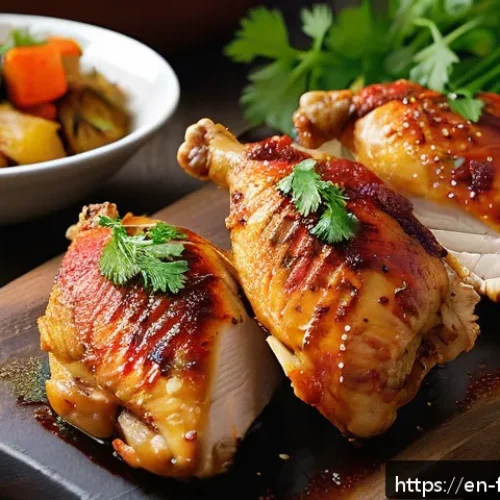
I remember scrolling through food blogs a few years back, thinking a simple BLT was the pinnacle of sandwich perfection. Boy, was I wrong! My own culinary journey has led me to discover that the true artistry lies in daring combinations – that zing of a Thai peanut sauce with grilled chicken and crunchy slaw, or the comforting warmth of a Japanese katsu layered with spicy kimchi.

It’s exhilarating to see how chefs and home cooks alike are breaking down traditional barriers, driven by an insatiable curiosity and a global pantry made accessible through technology and travel.

This isn’t just a fleeting trend; it’s a testament to our evolving palates and a peek into a future where every meal is an adventure, often inspired by viral sensations and online communities sharing their audacious food hacks.

Let’s dive deeper below.

Unlocking Culinary Creativity: The Global Fusion Phenomenon

ultimate - 이미지 1

My own journey into fusion sandwiches started quite by accident, rummaging through my fridge after a late-night craving. I had leftover bulgogi from a Korean BBQ night and some classic American cheddar cheese and rolls.

“Why not?” I thought, hesitantly. What unfolded was a revelation: the savory, slightly sweet and spicy notes of the marinated beef, melded with gooey, familiar cheddar on a toasted roll.

It was a Korean BBQ Cheesesteak, and it wasn’t just good; it was a perfect symphony of comfort and exoticism. This wasn’t just another meal; it was a moment of culinary epiphany that totally changed how I viewed sandwiches.

I truly believe that the magic of fusion lies in this daring exploration, taking beloved elements from disparate cuisines and finding their common, delicious ground.

It’s about building bridges between cultures, one bite at a time, and it fills me with an incredible sense of excitement to see what new combinations people are dreaming up every single day.

The potential is limitless, and the personal satisfaction of creating something uniquely delicious is immense.

Korean BBQ Meets Classic American Comfort

There’s something inherently beautiful about blending the bold, umami-rich flavors of Korean barbecue with the comforting, cheesy warmth of an American classic.

Think beyond the cheesesteak, though that’s an excellent starting point. I’ve experimented with a spicy gochujang-glazed chicken nestled inside a soft brioche bun, topped with a kimchi slaw that adds both crunch and a tangy kick.

It’s a dance between fiery spice and cool, creamy notes, and it consistently surprises anyone who tries it. My secret tip? A touch of melted Monterey Jack cheese inside, which truly brings out the savory depth of the bulgogi or chicken.

It’s truly mind-blowing how well these elements complement each other, transforming a simple sandwich into an extraordinary experience that caters to diverse palates.

  • Marinades: Don’t skimp on the marinade time for your Korean BBQ protein; it’s where the magic happens.
  • Cheese Choices: Experiment with sharp cheddar, provolone, or even a smoked gouda to find your perfect meld.
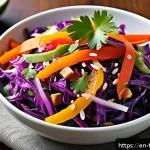
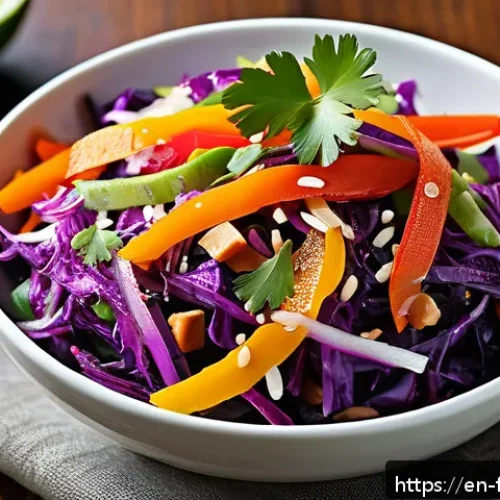
  • Slaw Variations: Instead of just cabbage, try adding shredded carrots, cucumbers, or even apples for texture.

Mediterranean Mezze with an Asian Twist

I’m a huge fan of Mediterranean flavors – the fresh herbs, the tangy yogurts, the robust olives. But I started wondering, what if I introduced some unexpected Asian elements?

My latest obsession is a falafel wrap, but instead of traditional tahini, I’m drizzling it with a peanut-lime dressing infused with a hint of ginger. And for crunch?

Crispy fried wonton strips instead of just plain lettuce. The result is an incredibly vibrant, multi-layered experience where the earthy chickpeas of the falafel meet the bright, zesty notes of the dressing, all tied together with that satisfying crisp from the wontons.

It feels familiar yet completely new, and it’s a testament to how even subtle twists can totally transform a dish. It’s these kinds of unexpected pairings that really get my creative juices flowing in the kitchen, proving that delicious innovation is often just a daring combination away.

The Art of Balance: Mastering Flavor Profiles in Fusion Sandwiches

Crafting a truly exceptional fusion sandwich isn’t just about throwing a bunch of ingredients together from different cultures and hoping for the best.

Believe me, I’ve made that mistake more times than I care to admit! It’s an intricate dance, a careful balancing act where each element plays a vital role in creating a harmonious whole.

You need to consider how sweet notes interact with spicy ones, how sourness cuts through richness, and how salt enhances every flavor. I remember one disastrous attempt at a Thai green curry sandwich where I overloaded on the coconut milk and lost all the zesty lime and fish sauce tang – it was just…flat.

The key, I’ve learned through countless experiments and a few culinary missteps, is to build layers of flavor intentionally, ensuring that no single component overwhelms the others, but rather elevates them.

It’s about seeking that perfect equilibrium where every bite is a delightful surprise, yet entirely cohesive.

Sweet, Spicy, Sour, Salty: A Symphony of Taste

Imagine a classic Japanese Katsu Sando, typically a delicate balance of crispy pork, soft bread, and a sweet-savory tonkatsu sauce. Now, what if you introduced a fiery, fermented Korean kimchi into that mix?

The challenge is to ensure the kimchi’s sour, spicy punch doesn’t overpower the subtle sweetness of the Katsu. My solution? A thin layer of avocado to add a creamy, mellow counterpoint, and a very light touch of sriracha mayo instead of just tonkatsu sauce to bridge the gap.

The result is a vibrant, exciting sandwich that hits all the right notes: the salty crisp of the katsu, the sweet-spicy kick of the sauce, the sour tang of the kimchi, and the creamy richness of the avocado.

It’s a symphony on the palate, and getting that balance just right is an incredibly rewarding feeling.

  • Acidity is Key: Use citrus juices (lime, lemon), vinegars (rice, apple cider), or pickled vegetables to cut through richness.
  • Umami Boosters: Incorporate ingredients like soy sauce, miso, mushrooms, or aged cheeses for a deeper flavor profile.
  • Heat Management: Don’t just add heat; think about the *kind* of heat (e.g., smoky chipotle vs. bright bird’s eye chili).

Texture is King: From Crispy to Creamy

Flavor is paramount, of course, but texture? That’s what elevates a good sandwich to a *great* sandwich. I recently made a Vietnamese-inspired “Pho-nomenal” sandwich, aiming for the comforting warmth of pho in a handheld format.

The liquid component was a rich, star-anise infused beef consommé, but to avoid sogginess, I toasted the baguette until it was perfectly crisp and then added layers of thinly sliced rare beef, fresh herbs, and crucially, some fried shallots and bean sprouts for that essential crunch.

The contrast between the tender beef, the aromatic broth-soaked bread (just a quick dip, mind you!), the snappy herbs, and the crispy fried elements made for an incredibly satisfying mouthfeel.

It’s about creating an interesting landscape of textures that keeps every bite exciting and prevents monotony.

Fusion Concept Key Cultural Influences Signature Flavors Essential Textures Complexity Level
Korean BBQ Cheesesteak Korean, American Sweet, Savory, Spicy, Umami Chewy, Melty, Toasted, Crunchy Slaw Medium
Thai Peanut Chicken Wrap Thai, American/Global Sweet, Spicy, Salty, Tangy Creamy, Crispy, Tender Easy
Indian Butter Chicken Naanwich Indian, Middle Eastern Rich, Creamy, Aromatic, Mildly Spicy Soft, Tender, Velvety, Charred Medium
Mexican Al Pastor Banh Mi Mexican, Vietnamese Savory, Spicy, Citrusy, Pickled Crispy Baguette, Tender Pork, Crunchy Pickles Hard

Beyond the Bread: Innovative Wraps and Carriers

When I first started dabbling in fusion, my mind was very much limited to traditional sliced bread. But what I quickly discovered, to my absolute delight, is that the “bread” component of a sandwich can be anything but conventional.

This realization truly blew open the doors to endless possibilities in my kitchen. Why stick to the familiar when there are so many incredible vehicles for flavor out there?

I’ve found that experimenting with different wraps and carriers isn’t just about being creative; it’s about fundamentally changing the entire experience of the sandwich, altering its texture, its flavor absorption, and even how you eat it.

It encourages a whole new level of culinary freedom and truly challenges the traditional definition of a “sandwich,” which, for someone like me who loves to push boundaries, is utterly exhilarating.

Unleashing the Power of Naan and Arepas

My personal go-to alternative these days has to be naan bread. Its soft, slightly chewy texture and subtle charred flavor make it an absolutely incredible foundation for so many global flavors.

I’ve made an incredible Indian Butter Chicken “Naanwich,” where the rich, creamy chicken curry is spooned directly onto a piece of warm naan, often topped with fresh cilantro and a dollop of cooling raita.

It’s messy, yes, but intensely satisfying. Similarly, I’ve fallen in love with Colombian arepas – those thick, grilled corn cakes. They’re naturally gluten-free and have a slightly crisp exterior with a soft, moist interior.

Stuffing them with a vibrant Latin American-inspired filling, like shredded pork marinated in mojo sauce and topped with pickled red onions, feels incredibly authentic yet perfectly suited for a fusion twist.

It’s truly like discovering a whole new canvas for your culinary artwork.

Lettuce Wraps and Grain Bowls: Deconstructed Sandwiches

Sometimes, the best sandwich isn’t a sandwich at all, at least not in the traditional sense. I often find myself craving the flavors of a hearty sandwich but want something lighter, or perhaps even gluten-free.

That’s where deconstructed sandwiches, served as vibrant lettuce wraps or fulfilling grain bowls, come into play. Imagine all the components of a delicious Mediterranean gyro – succulent lamb or chicken, crisp lettuce, juicy tomatoes, tangy tzatziki – but instead of a pita, everything is artfully arranged in a large, crisp romaine lettuce cup.

It’s incredibly refreshing and highlights the individual ingredients beautifully. Or for a more substantial meal, consider a “Caprese Bowl” where fresh mozzarella, ripe tomatoes, basil, and balsamic glaze are served over a bed of quinoa or farro, essentially transforming a classic Italian sandwich into a satisfying, utensil-friendly dish.

It’s about capturing the essence of the sandwich without the confines of traditional bread, offering a lighter, often healthier, yet equally flavorful experience.

The Home Cook’s Toolkit: Essential Ingredients for Fusion Mastery

Embarking on a fusion sandwich adventure can feel a little daunting at first. I remember walking into an Asian market for the first time, totally overwhelmed by the sheer variety of sauces, spices, and unfamiliar ingredients.

But what I quickly learned is that you don’t need a pantry stocked with every single exotic item to start. The real magic happens when you identify a few versatile, power-packed ingredients that can bridge different cuisines and elevate your everyday cooking.

Building a “fusion toolkit” in your kitchen isn’t just about collecting jars; it’s about empowering yourself to spontaneously create exciting new flavor combinations with confidence.

It’s a journey of discovery, and trust me, the investment in these key items pays off tenfold in culinary satisfaction.

Stocking Your Global Pantry

My core fusion pantry starts with a few essential flavor foundations. First, a good quality soy sauce and fish sauce are non-negotiable; they add incredible umami depth to so many dishes, from marinades to dressings.

Then, I always keep a jar of gochujang – that fiery, fermented Korean chili paste that brings a sweet, spicy, and savory kick unlike anything else. Tahini, a sesame paste, is another staple, offering a creamy, nutty base for dressings or even a unique spread.

For spices, think beyond your everyday salt and pepper: a good quality curry powder (Indian or Thai-style), smoked paprika for that incredible depth, and a vibrant chili powder will open up a world of flavor.

I’ve found that having these on hand means I’m always just a few steps away from a globally inspired meal, even on a busy weeknight.

  • Essential Oils: Sesame oil for Asian flavors, good quality olive oil for Mediterranean.
  • Vinegars: Rice vinegar for brightness, apple cider vinegar for versatility.
  • Condiments: Sriracha, hoisin sauce, sweet chili sauce.

Spice Blends and Sauces That Transform

Beyond individual ingredients, having a few ready-to-use spice blends and versatile sauces can be a game-changer. I always have a jar of Za’atar (a Middle Eastern blend of thyme, sumac, and sesame) which instantly elevates anything from a chicken sandwich to a simple cream cheese spread.

For a quick Indian-inspired kick, a pre-made Garam Masala blend saves so much time and effort, infusing a sandwich filling with rich, aromatic warmth.

And don’t underestimate the power of homemade sauces. A quick peanut sauce, whipped up with peanut butter, soy sauce, lime juice, and a touch of honey, can transform plain chicken or tofu into a Thai-inspired masterpiece.

Similarly, a vibrant chimichurri, with its fresh herbs and zesty garlic, can instantly transport a simple steak sandwich to Argentina. These small additions truly have a disproportionately large impact on the final flavor profile, turning mundane into magnificent.

From Street Food to Gourmet: Elevating the Sandwich Experience

For years, I viewed sandwiches as purely utilitarian – a quick lunch, something to grab and go. But my journey into fusion cuisine has completely reshaped that perspective.

I’ve realized that a sandwich, when approached with intention and creativity, can be just as sophisticated and artful as any plated gourmet dish. It’s not just about the taste, though that’s paramount; it’s about the entire experience.

From the moment you present it to how you pair it, every detail contributes to transforming a simple meal into something truly memorable, even Instagram-worthy.

I’ve spent countless hours agonizing over the perfect slice, the ideal garnish, and the most complementary side, because I’ve come to understand that presentation and thoughtful pairing are just as critical as the ingredients themselves.

Presentation Matters: Making it Instagram-Worthy

We eat with our eyes first, don’t we? I learned this the hard way after crafting what I thought was a delicious, yet visually unappealing, sandwich. Now, I always consider how my fusion creations will look.

This means thoughtful layering – ensuring different colors and textures are visible. For example, when making a vibrant Banh Mi fusion, I’ll carefully arrange the brightly colored pickled carrots and daikon, the dark, rich meat, and the fresh green cilantro so they pop.

A generous sprinkle of sesame seeds, a drizzle of contrasting sauce, or a few fresh herb sprigs can add that professional, finishing touch. Cutting the sandwich neatly, often on a diagonal to reveal the layers, also makes a huge difference.

These small visual cues tell your brain that something special is about to happen, enhancing the anticipation and ultimately, the enjoyment of the meal.

Pairings That Pop: Drinks and Sides

A truly great sandwich rarely stands alone. The right pairing can amplify its flavors and complete the dining experience. When I’m enjoying a spicy Korean BBQ sandwich, for instance, nothing complements it better than a crisp, cold lager or a refreshing glass of iced green tea to balance the heat.

For a rich, creamy Indian Butter Chicken Naanwich, a vibrant mango lassi offers a cooling, sweet counterpoint. And don’t forget the sides! Instead of plain potato chips, think about a crisp, tangy cucumber salad with a Japanese-inspired sandwich, or some perfectly seasoned sweet potato fries with a Mexican-influenced creation.

It’s about creating a holistic culinary experience where every element on the plate, and in the glass, works in harmony to elevate the star of the show – your incredible fusion sandwich.

Troubleshooting Your Fusion Creations: Learning from My Mistakes

Let’s be honest, not every culinary experiment is a resounding success. I’ve had my share of fusion sandwich flops, combinations that sounded brilliant in my head but turned out to be, well, less than appetizing.

These moments, though sometimes disappointing, are incredibly valuable learning opportunities. They teach you what *not* to do, highlight the nuances of flavor balance, and reinforce the importance of understanding ingredient properties.

It’s through these trials and errors that you truly refine your instincts and develop a deeper appreciation for the complexities of culinary creativity.

So, don’t be disheartened by a less-than-perfect result; embrace it as a stepping stone to your next delicious breakthrough.

Avoiding Flavor Overload

One of the most common pitfalls I’ve encountered in fusion cooking, particularly with sandwiches, is what I call “flavor overload.” I remember once trying to combine everything I loved – sweet chili, smoky chipotle, pungent garlic, and strong cheese – into one sandwich.

The result was a cacophony of competing tastes, where no single flavor could shine. It was just an overwhelming jumble. My lesson learned: sometimes, less is more.

Identify the primary flavor profile you want to achieve, and then add complementary elements strategically, ensuring they enhance rather than detract.

Focus on a core combination, then introduce secondary flavors as accents. Think of it like a musical composition; you need a melody, not just noise.

The Pitfalls of Texture Mishaps

Another area where fusion sandwiches can go awry is texture. I once made a brilliant-sounding pulled pork banh mi, but in my haste, I didn’t drain the pork properly.

The result? A soggy, disappointing mess where the beautiful, crisp baguette turned into a mushy sponge. It was heartbreaking!

This taught me the crucial importance of moisture control and ensuring a good balance of different textures. If you have a juicy filling, consider adding a barrier like a slice of cheese or a layer of crisp lettuce to protect the bread.

Always think about how ingredients will interact over time, especially if the sandwich isn’t eaten immediately. A truly great sandwich offers a delightful contrast of crispy, creamy, tender, and crunchy in every bite, and getting that balance right is a key part of the artistry.

The Future is Flavorful: What’s Next in Fusion Sandwiches

The world of food is constantly evolving, and the fusion sandwich is no exception. As a blogger and someone deeply passionate about culinary trends, I find myself constantly looking ahead, wondering what audacious, delicious combinations will emerge next.

The pace of innovation, fueled by global travel, interconnected communities, and a growing desire for unique dining experiences, is truly exhilarating.

We’re moving beyond simple mash-ups into truly inventive creations that reflect a deeper understanding of diverse culinary traditions. It’s a space where creativity knows no bounds, and I can hardly wait to see, and taste, what’s on the horizon.

Plant-Based Powerhouses and Sustainable Swaps

One of the most exciting frontiers in fusion sandwiches is the rapid growth of plant-based options. It’s no longer just about a veggie patty; we’re seeing incredible innovation in textures and flavors that truly mimic and even surpass their meat counterparts.

I recently encountered a “Mushroom Carnitas” sandwich, where perfectly seasoned and slow-cooked mushrooms delivered the savory, tender experience of traditional pork carnitas, nestled in a warm tortilla with a vibrant salsa verde.

There’s also a growing focus on sustainability, leading to more “zero-waste” sandwiches that utilize every part of an ingredient, or feature locally sourced, seasonal produce combined with global flavor profiles.

This movement is not only delicious but also incredibly inspiring, showing how food can be both delightful and responsible.

Hyper-Local Meets Global: New Culinary Frontiers

Imagine a sandwich where locally sourced, artisan bread from a small American bakery is filled with a unique, regional ingredient like smoked trout, but then elevated with a subtle touch of Japanese yuzu kosho and a whisper of dill.

This hyper-local meets global trend is truly fascinating. It’s about celebrating unique regional ingredients and traditions, then infusing them with unexpected, often bold, flavors from across the world.

It pushes boundaries, creates genuinely unique flavor profiles that you simply can’t find anywhere else, and fosters a deeper appreciation for both local produce and global culinary artistry.

The possibilities are truly endless when you start thinking about the incredibly diverse pantry that the entire world offers us, and how we can bring those elements together in one extraordinary, handheld meal.

Concluding Thoughts

Okay, so after all this talk about wild ingredients and daring combinations, what’s the big takeaway? For me, it’s that culinary exploration isn’t just for chefs in fancy restaurants.

It’s for all of us, right in our own kitchens. Every fusion sandwich I’ve created, successful or not, has been a step on a journey of discovery, teaching me something new about flavors, cultures, and my own palate.

I genuinely hope this post inspires you to look at your pantry with fresh eyes and unleash your inner culinary adventurer. The most delicious discoveries are often just one bold idea away!

Useful Information

1. Don’t be afraid to start small. You don’t need exotic ingredients to begin; try adding a familiar spice from one cuisine to a dish from another, like a pinch of smoked paprika to your classic grilled cheese.

2. Taste, taste, taste! Seriously, this is your best friend in fusion cooking. Adjust seasonings gradually, adding a little at a time until you hit that perfect balance of sweet, spicy, sour, and salty.

3. Embrace “failures” as learning opportunities. My kitchen has seen its share of culinary mishaps, but each one has taught me valuable lessons about what works and, more importantly, what doesn’t. Keep notes!

4. Invest in a few versatile, high-quality condiments. A good soy sauce, a robust chili oil, or a tangy rice vinegar can dramatically elevate simple ingredients and bridge cultural flavor gaps.

5. Think about texture beyond just ‘crispy’ or ‘soft.’ Consider how creamy elements interact with crunchy ones, or how a juicy filling needs a sturdy bread. Contrast is key to an exciting bite!

Key Takeaways

Fusion sandwiches offer a vibrant playground for culinary creativity, blending diverse global flavors into harmonious, exciting handheld meals. Mastering them involves a careful understanding of flavor balance – ensuring sweet, spicy, sour, salty, and umami notes complement each other – and thoughtful texture contrasts, from crispy bread to creamy fillings.

Don’t limit yourself to traditional carriers; explore innovative options like naan, arepas, or even deconstructed versions in lettuce wraps or grain bowls.

Building a “global pantry” with versatile, high-impact ingredients will empower you to spontaneously create delicious combinations. Remember that presentation and well-chosen pairings elevate the entire dining experience, turning a simple sandwich into a gourmet delight.

Finally, embrace experimentation and learn from every attempt; even the “flops” provide invaluable lessons that refine your cooking instincts. The world of fusion is constantly evolving, promising endless delicious possibilities for the adventurous home cook.

Frequently Asked Questions (FAQ) 📖

Q: What exactly defines a “fusion sandwich” and why is it so revolutionary compared to traditional options?

A: Honestly, when I first heard “fusion sandwich,” I pictured something overly complicated, but it’s really about taking two or more distinct culinary traditions and smashing them together into something genuinely new and delicious.
It’s revolutionary because it throws out the old rulebook. Think about it: a standard ham and cheese is great for comfort, sure, but a Korean BBQ quesadilla?
That’s an explosion of sweet, savory, and spicy, wrapped up in a familiar form. My mind was blown when I first tried a Thai peanut chicken wrap with crunchy slaw; it was like the zing of a fresh spring roll combined with the satisfying bite of a sandwich.
It challenges our palates, pushes boundaries, and makes you rethink what “comfort food” can truly be. It’s not just a meal; it’s an adventure for your taste buds.

Q: How can an average home cook, like myself, start experimenting with these daring fusion combinations without feeling overwhelmed?

A: Trust me, you don’t need to be a Michelin-star chef to jump into this! When I first started, I felt a bit lost, but it’s actually really approachable.
My best advice is to start with familiar components and then introduce one “foreign” element. For example, if you love a classic grilled cheese, try adding some sharp cheddar with a dollop of fig jam, or a sprinkle of a Middle Eastern spice blend like za’atar.
Or, take your everyday turkey sandwich and swap out plain mayo for a spicy sriracha aioli, or a sweet and tangy mango chutney. Look at your pantry staples and think, “What unexpected flavor could I introduce here?” There are tons of brilliant food blogs and social media accounts showcasing simple yet audacious food hacks.
Don’t be afraid to make mistakes – my first attempt at a “Mexican-Italian” sandwich was… well, let’s just say it was a learning experience! But that’s part of the fun and how you discover truly unique flavor pairings.

Q: Is this emphasis on global fusion sandwiches just a fleeting food trend, or is there something more substantial driving this widespread creativity?

A: I genuinely believe this is far more than just a passing fad. What we’re seeing isn’t just about Instagrammable food, although that certainly plays a part; it’s a reflection of our increasingly interconnected world.
With technology, travel, and a global marketplace, ingredients and culinary ideas that were once confined to specific regions are now accessible everywhere.
People’s palates are evolving; we’re more curious, more adventurous, and frankly, we expect more from our food. It’s exhilarating to witness home cooks and professional chefs alike, driven by an insatiable curiosity, truly breaking down traditional barriers.
It’s about celebrating diversity, experiencing other cultures through flavor, and finding joy in the unexpected. What excites me most is that this trend suggests a future where every meal can be a mini-adventure, fueled by shared experiences and a collective desire to explore beyond the ordinary.
It’s a fundamental shift in how we approach food.