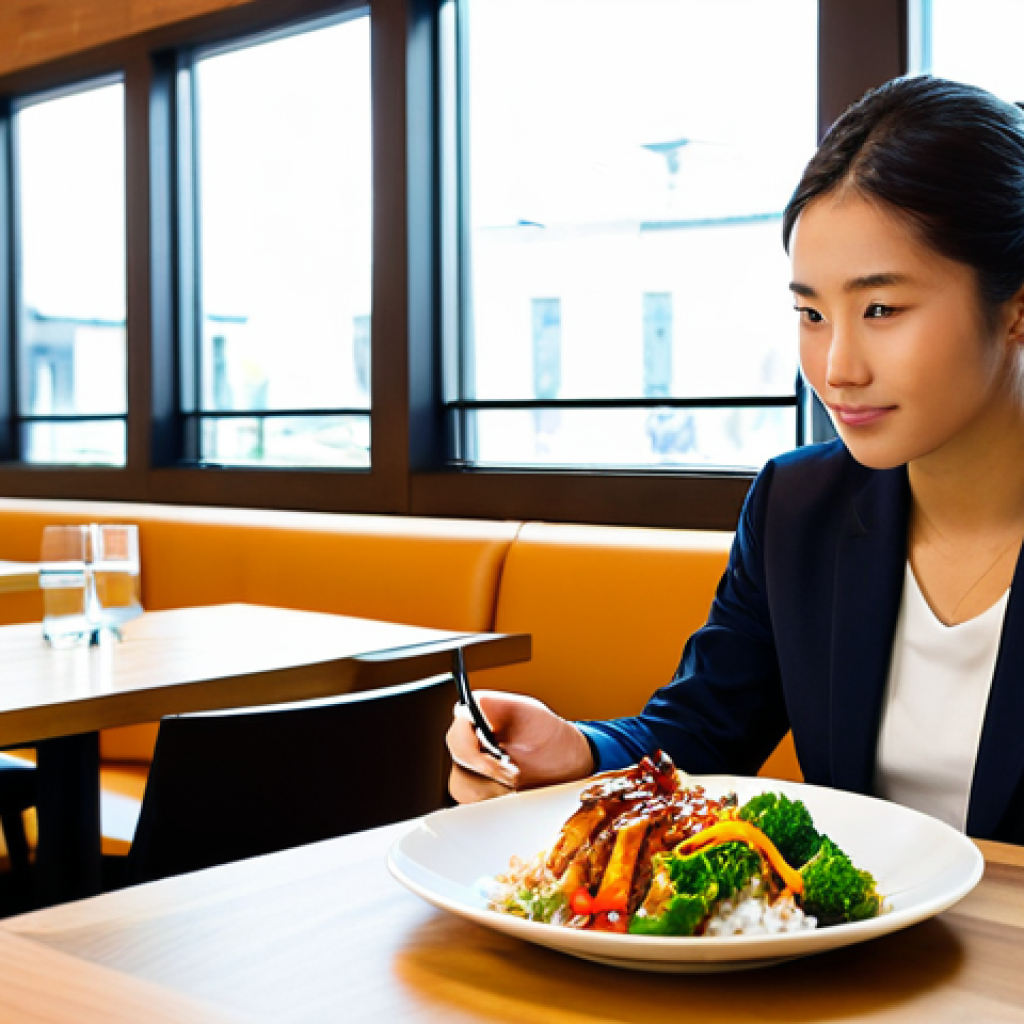
We all love a good chicken dish, but what about those exciting ‘fusion’ creations popping up everywhere, tempting our taste buds with global flavors? As someone who’s constantly juggling a busy schedule with fitness goals, I’ve often found myself wondering about their true nutritional integrity beyond the hype.
You’d think a chicken dish is just a chicken dish when it comes to protein, right? But with the culinary landscape constantly evolving, blending diverse techniques and ingredients, the actual macronutrient profile can become a real mystery.
Especially protein, which is so crucial for muscle repair, satiety, and overall well-being in our increasingly health-conscious world. Forget the old-school notions; today’s diners are demanding more transparency, and frankly, a deeper dive into what we’re actually consuming.
With so much misinformation floating around and our dietary needs becoming ever more personalized, understanding the true protein punch of these innovative dishes is more critical than ever.
It’s not just about taste anymore; it’s about making informed choices in a world full of delicious yet often ambiguous options. Let’s find out precisely how these modern marvels stack up.
We all love a good chicken dish, but what about those exciting ‘fusion’ creations popping up everywhere, tempting our taste buds with global flavors? As someone who’s constantly juggling a busy schedule with fitness goals, I’ve often found myself wondering about their true nutritional integrity beyond the hype.
You’d think a chicken dish is just a chicken dish when it comes to protein, right? But with the culinary landscape constantly evolving, blending diverse techniques and ingredients, the actual macronutrient profile can become a real mystery.
Especially protein, which is so crucial for muscle repair, satiety, and overall well-being in our increasingly health-conscious world. Forget the old-school notions; today’s diners are demanding more transparency, and frankly, a deeper dive into what we’re actually consuming.
With so much misinformation floating around and our dietary needs becoming ever more personalized, understanding the true protein punch of these innovative dishes is more critical than ever.
It’s not just about taste anymore; it’s about making informed choices in a world full of delicious yet often ambiguous options. Let’s find out precisely how these modern marvels stack up.
Unpacking the “Fusion” Paradox: Flavor vs. Functionality

When I first started exploring fusion chicken dishes, I was utterly captivated by the explosion of flavors. Think Korean BBQ tacos, Indian Butter Chicken pizza, or even Thai Green Curry pasta – sounds absolutely divine, right?
And they often are, from a taste perspective. But here’s the paradox that began to nag at me: while these dishes are culinary masterpieces, they often blur the lines of traditional nutritional understanding.
A chicken breast is a chicken breast, sure, but what happens when it’s swimming in a rich, coconut-milk-based curry or layered with crispy fried noodles and sweet chili sauce?
Suddenly, that lean protein source isn’t quite as straightforward. My own experience ordering what I thought was a “healthy” Teriyaki chicken bowl at a new fusion spot left me feeling sluggish and oddly unsatisfied, prompting me to look deeper into the actual nutritional breakdown.
It’s a common misconception that if a dish has “chicken,” it automatically translates to a high-protein, balanced meal. The reality, as I quickly learned, is far more nuanced and requires a keen eye for what’s truly on your plate beyond the dazzling presentation.
We need to dissect these creations not just by their deliciousness, but by their fundamental components, because every ingredient choice, every cooking method, radically shifts the nutritional landscape.
1. The Influence of Sauces and Marinades
The sauces and marinades are arguably the heart and soul of any fusion dish, dictating its unique flavor profile. But from a protein perspective, they can be a real wild card.
I’ve personally seen dishes where a generous portion of chicken is overshadowed by a thick, sugar-laden sauce, significantly diluting the overall protein density per bite.
- Sweet and Sticky Concoctions: Many popular fusion sauces, like sweet chili, teriyaki, or even some BBQ glazes, are incredibly high in sugar and often thickened with starches. While they taste incredible, they contribute empty calories without boosting protein.
- Creamy and Rich Bases: Curries, peanut sauces, or creamy pasta sauces often incorporate high-fat ingredients like coconut milk, heavy cream, or nut butters. These add a wonderful mouthfeel and flavor, but again, they can add significant calories without commensurate protein, shifting the macronutrient balance.
2. Breadings and Coatings: The Unseen Carbs
Another common addition to fusion chicken dishes, especially in the form of bites, tenders, or fried varieties, is the breading. This can instantly transform a lean protein into a calorie and carb bomb, something I learned the hard way after a particularly indulgent Korean fried chicken experience that left me feeling more guilty than satisfied.
- Crispy Exterior, Hidden Calories: Think about dishes like Korean Fried Chicken or Japanese Karaage. While delicious, the thick, often double-fried coatings absorb a lot of oil and are primarily composed of refined flours, adding substantial carbohydrates and fats.
- Light Dustings vs. Heavy Batters: Even what appears to be a “light” dusting can accumulate significantly, especially when fried. Always consider the ratio of actual chicken to coating when evaluating the protein content.
Identifying Hidden Protein Diluters in Fusion Cuisine
It’s easy to get swept away by the exciting names and vibrant colors of fusion dishes, but as someone who meticulously tracks my macros, I’ve developed a keen eye for the components that might stealthily dilute the protein content. My initial enthusiasm for a “Chicken Lo Mein” dish turned into mild disappointment when I realized how much of the bowl was noodles and oil, with a surprisingly sparse amount of actual chicken. It’s not about avoiding these dishes entirely, but about understanding what’s truly in them beyond the marketing hype. The culprits are often seemingly innocuous side players or preparation methods that, when combined, significantly shift the nutritional profile from what one might instinctively assume from a chicken-based meal. This realization hit me hardest when I compared the satiety levels after eating a “fusion” chicken dish versus a straightforward grilled chicken and vegetable meal – the difference was stark, and it wasn’t just about the portion size, but the quality of the macros.
1. The Proliferation of Starchy Fillers
Many fusion dishes rely heavily on starchy components to bulk up the meal and enhance texture, often at the expense of protein density. This is particularly true for noodle-based, rice-based, or bread-heavy dishes.
- Excessive Noodles or Rice: While integral to many Asian-inspired dishes, an overabundance of noodles (udon, ramen, rice vermicelli) or rice can significantly push the carbohydrate count far beyond what’s ideal for a balanced protein-focused meal.
- Breads and Wraps: Dishes like chicken bao buns, fusion tacos, or roti wraps, while delicious, often feature a large amount of refined carbs in the bread component, meaning a smaller proportion of your total bite is actual protein.
2. Vegetable Ratios and Preparation Methods
Even the vegetables, often considered the healthy backbone of any meal, can contribute to protein dilution depending on how they are used and prepared.
- Sauce-Soaked Veggies: Vegetables can absorb a lot of the high-calorie sauces, adding to the overall caloric load without contributing much protein themselves.
- Deep-Fried Vegetables: Some fusion dishes might include battered and deep-fried vegetables (e.g., tempura), which, while tasty, significantly increase the fat and calorie content of the meal.
Decoding the True Protein Punch: A Data-Driven Approach
After countless experiences of guessing and then being disappointed by my energy levels or post-meal hunger, I decided to get serious about understanding the real protein content of these dishes. It became a personal mission, almost like detective work. I started by looking up typical restaurant portion sizes and comparing them to USDA data for raw chicken breast. The discrepancies were often shocking. What seemed like a generous serving of chicken in a fusion bowl could, after accounting for sauces, rice, and vegetables, deliver far less protein per 100 grams than a simple grilled chicken breast. This deep dive made me realize that visual estimation simply doesn’t cut it when you’re serious about your macros. It’s about more than just seeing chicken on the plate; it’s about understanding its relative contribution to the entire dish’s nutritional profile. I meticulously started asking questions, checking online menus for nutritional info, and even, on occasion, estimating ingredients myself.
1. Standard Chicken Portion vs. Dish Protein
It’s crucial to differentiate between the protein in the chicken itself and the overall protein contribution of the entire dish.
- Raw Chicken Basis: A 4-ounce (approx. 113g) serving of raw chicken breast typically contains around 30-35 grams of protein. This is your baseline.
- Cooked Weight Variance: Chicken loses water when cooked, so 4 ounces raw might be 3 ounces cooked. Moreover, when integrated into a complex dish, that same chicken might be combined with many other ingredients.
2. Calculating Protein Per Serving
This is where the real work happens. It involves estimating the weight of the chicken within the dish and then accounting for how other ingredients impact the total macro balance.
- Eyeballing the Protein: Try to estimate the actual amount of chicken in your serving. Is it 3 ounces? 5 ounces? This is the most challenging part in a restaurant setting.
- Considering Non-Protein Additions: Factor in the impact of high-carb (noodles, rice, bread) and high-fat (oils, creamy sauces, fried components) ingredients. These dilute the protein density of the overall serving.
To give you a clearer picture, I’ve compiled a quick reference guide based on common observations and general nutritional data. Please note, these are typical ranges and can vary wildly by specific recipe and restaurant.
| Dish Category | Typical Chicken Amount (Cooked) | Approx. Protein Range (per serving) | Common Protein Diluters |
|---|---|---|---|
| Grilled Chicken Skewers (Plain) | 5-6 oz (140-170g) | 35-45g | Minimal (clean, lean) |
| Teriyaki Chicken Bowl (with rice & sauce) | 4-5 oz (113-140g) | 25-35g | Sweet/starchy sauce, large rice portion |
| Korean Fried Chicken (Boneless, small order) | 3-4 oz (85-113g) | 20-28g | Heavy, fried breading, sugary glaze |
| Chicken Pad Thai (standard serving) | 3-4 oz (85-113g) | 20-28g | Abundant noodles, peanut sauce, oil |
| Chicken Curry (creamy, with rice) | 4-5 oz (113-140g) | 25-35g | Coconut milk/cream, oil, large rice portion |
My Personal Quest: Navigating the Culinary Maze with Purpose
For me, this isn’t just academic; it’s about making choices that align with my fitness journey and overall well-being. I absolutely love trying new foods, and fusion cuisine is undeniably exciting, but I’ve learned that a little planning goes a long way. There was this one time I went out with friends to a new Thai-Mexican fusion place, and I was so excited for their “Spicy Peanut Chicken Tacos.” I ordered them, thinking they’d be a great protein hit. They were delicious, but afterward, I felt unusually hungry, almost immediately. That evening, when I logged my food, I realized the chicken portion was surprisingly small, and the peanut sauce was incredibly rich and high in fat, throwing my macros completely off. That moment was a real turning point, solidifying my resolve to be more intentional. Now, I approach fusion menus with an informed perspective, asking questions and looking for specific indicators of a truly protein-rich meal. It’s not about deprivation, but rather about empowerment through knowledge, allowing me to fully enjoy these diverse flavors without derailing my health goals. My personal experience has been a journey of trial and error, moving from blissful ignorance to educated enjoyment.
1. The Power of Asking Questions
Don’t be afraid to ask your server about the dish components. I’ve found that most restaurants are happy to provide more information, especially if you phrase your questions politely.
- “Can you tell me about the sauce?” Inquire about the base (cream, coconut milk, soy-based, sugar content).
- “What’s the chicken portion like?” A simple, “Is it a generous chicken portion or more of a garnish?” can give you a lot of insight.
- “Are there leaner preparation options?” Sometimes, they can grill the chicken instead of frying it, or serve the sauce on the side.
2. Strategic Ordering: Customization is Key
When dining out, especially at fusion spots, learning to customize your order can dramatically improve the protein profile of your meal. It’s all about making those small, impactful adjustments that lead to a better overall nutritional outcome.
- Double the Protein: My go-to move when I’m unsure about the chicken quantity. Most places are happy to add an extra serving of chicken for a small upcharge.
- Sauce on the Side: This is a game-changer! It allows you to control the amount of high-calorie, often sugary, sauces you consume, ensuring you get the flavor without the excess.
- Opt for Leaner Sides: Instead of extra rice or noodles, ask for steamed vegetables, a simple salad, or even double vegetables if available.
Empowering Your Palate: Making Smart Choices in a Flavorful World
Ultimately, the goal isn’t to demonize fusion cuisine, which brings so much joy and culinary innovation to our lives. It’s about empowering ourselves to make choices that truly serve our bodies and our goals. I’ve learned to appreciate these dishes for their artistry while also being realistic about their nutritional contribution. My journey through this has shown me that true enjoyment comes from informed decisions, not just blind consumption. There’s a profound satisfaction in knowing that I can savor a delicious, globally-inspired chicken dish and still feel great, energized, and on track with my fitness. It requires a shift in mindset, perhaps, from simply “eating out” to “strategically dining,” but the payoff in terms of sustained energy and achieving personal bests is absolutely worth it. This proactive approach has transformed my dining experiences from potential pitfalls into opportunities for balanced indulgence.
1. Prioritizing Whole, Unprocessed Chicken
No matter how complex the dish, look for clear signs that the chicken itself is the star, not just a vehicle for other ingredients.
- Visual Cues: Can you clearly see substantial pieces of chicken? Are they mostly lean meat, or are they heavily battered or drowned in sauce?
- Method of Preparation: Grilled, baked, or pan-seared chicken will generally be a more protein-dense option than heavily fried or braised-in-fat versions.
2. Balance is Your Best Friend
Even if a fusion dish isn’t a protein powerhouse on its own, you can always balance your overall meal or day to compensate.
- Complement with Lean Snacks: If you know your fusion lunch will be lighter on protein, plan for a protein shake or a handful of nuts later in the day.
- Pair Smartly: At home, if you’re experimenting with fusion recipes, pair your protein-rich chicken component with plenty of non-starchy vegetables to boost fiber and micronutrients without adding excessive calories.
The Broader Impact: How Fusion Choices Affect Your Fitness Journey
It’s easy to think of a single meal as isolated, but in the grand scheme of a fitness journey, every single food choice, especially those seemingly indulgent “cheat meals,” adds up. I used to fall into the trap of thinking, “Oh, it’s just one meal, it won’t matter.” But then I’d notice a plateau in my progress, or I’d feel sluggish during my workouts. It was only when I started consistently paying attention to the protein content of *all* my meals, including those delicious fusion experiments, that I truly saw consistent results. My muscle recovery improved, my energy levels became more stable, and I felt much more in control of my fitness trajectory. The subtle but consistent under-delivery of protein, coupled with an excess of hidden sugars and unhealthy fats from fusion dishes, can quietly undermine weeks of hard work in the gym. This isn’t about being obsessive; it’s about being mindful and recognizing that your diet is the fuel for your performance and recovery.
1. Muscle Repair and Growth
Protein is the cornerstone of muscle protein synthesis. Insufficient protein, even from seemingly chicken-rich dishes, can hinder your progress.
- Anabolic Window: After a workout, your muscles are primed to absorb amino acids. If your post-workout meal (or any meal, really) lacks sufficient high-quality protein, you’re missing an opportunity for optimal recovery and growth.
- Preventing Muscle Catabolism: Adequate protein intake helps prevent your body from breaking down existing muscle tissue for energy, which is especially crucial during calorie deficits or intense training periods.
2. Satiety and Hunger Control
One of the most immediate impacts I noticed when I started getting more conscious about protein in my fusion meals was the dramatic improvement in my satiety levels.
- Feeling Full, Longer: Protein is known for its high satiety index. Dishes that are high in fat and carbs but low in protein leave you feeling hungry sooner, often leading to overeating or unhealthy snacking.
- Minimizing Cravings: When your body is properly fueled with protein, those intense cravings for sugary or fatty foods often diminish, making it easier to stick to your overall nutritional plan.
Beyond the Plate: Embracing Mindful Indulgence
Ultimately, my journey with fusion chicken dishes has taught me that the key to enjoying diverse cuisines without derailing my health and fitness goals lies in mindful indulgence. It’s about being present with what I eat, understanding its components, and making conscious choices. I’m not saying you should never enjoy a greasy, breaded, sweet-sauced chicken dish. Life’s too short not to savor these moments! But when I do, it’s a deliberate choice, and I balance it by ensuring my other meals that day are exceptionally clean and protein-dense. This approach has allowed me to continue exploring the incredible world of food while still feeling strong, energized, and confident in my body. It’s a testament to the idea that knowledge truly is power, especially when it comes to what we put into our bodies. By understanding the nuanced protein dynamics of these innovative dishes, we equip ourselves to truly enjoy them as part of a balanced, fulfilling lifestyle. It’s about celebrating culinary creativity while honoring our personal health commitments.
1. Prioritize Quality Over Quantity (Always)
It’s not just about the grams of protein, but the quality of that protein and the context in which it’s consumed.
- Whole Food Sources: Whenever possible, opt for fusion dishes where the chicken is clearly from a whole, identifiable source, rather than heavily processed forms.
- Ingredient Transparency: The more you know about what goes into your dish – from the type of oil used to the sugar content of sauces – the better equipped you are to make informed decisions.
2. Listen to Your Body
Your body is an incredibly sensitive feedback mechanism. Pay attention to how you feel after eating certain fusion dishes.
- Energy Levels: Do you feel energized and sustained, or sluggish and hungry shortly after? This can be a strong indicator of the dish’s nutritional balance.
- Digestive Comfort: Does the dish sit well with you, or do you experience discomfort? Often, heavily processed or high-sugar/fat meals can cause digestive distress.
Conclusion
So, what’s the ultimate takeaway from this delicious yet often deceptive culinary adventure? It’s not about shying away from the incredible world of fusion chicken; it’s about navigating it with an informed perspective. As I’ve learned through my own trials and errors, understanding the true protein content beneath the dazzling flavors empowers you to make choices that truly fuel your body and align with your fitness aspirations. Embrace these vibrant dishes, but do so mindfully, knowing that every ingredient plays a role in your overall well-being. Your journey to optimal health and enjoyable eating is a continuous, delicious discovery.
Useful Information
Always check for nutritional information online or ask your server directly about sauce ingredients and preparation methods. Transparency is your friend!
Opt for grilled or pan-seared chicken whenever possible, as these methods tend to retain more protein density compared to heavily breaded or fried options.
Don’t hesitate to request sauces on the side. This simple trick gives you control over added sugars, fats, and overall calories.
Consider complementing your fusion meal with a protein-rich snack later in the day if you suspect the dish was lower in protein than ideal.
Experiment with making your own fusion dishes at home! This way, you have full control over ingredients, portion sizes, and nutritional profiles, making healthy eating both exciting and delicious.
Key Takeaways
Fusion chicken dishes, while flavorful, often contain hidden protein diluters like excessive sauces, breadings, and starchy fillers. Understanding the true protein content requires looking beyond the chicken itself and considering the entire dish’s composition. Empower yourself through informed choices: ask questions, customize orders (e.g., double protein, sauce on side), and prioritize whole, lean chicken. Mindful indulgence allows you to enjoy diverse cuisines while staying on track with your fitness and health goals.
Frequently Asked Questions (FAQ) 📖
Q: With all these amazing fusion chicken dishes out there, how can I actually tell how much protein I’m getting? It feels like a real guessing game sometimes!
A: Oh, I totally get that! It’s maddening, isn’t it? After countless times staring at menus, wondering if I’m hitting my macros, I’ve learned a few tricks.
First, don’t be shy about asking. Most reputable places, especially those catering to a health-conscious crowd, often have nutritional info available if you ask a manager or chef.
Sometimes, it’s just a QR code on the menu. If not, look for dishes where the chicken is clearly the star, not hidden under a mountain of sauce or excessive carbs.
For example, a “Thai Basil Chicken Stir-fry” where you can see big chunks of lean chicken is usually a safer bet than something breaded or drowned in a super-sweet glaze.
Also, I try to gauge the amount of chicken – is it a measly few strips or a decent portion? My rule of thumb: if it looks like less than four or five ounces, it’s probably not going to be a protein powerhouse on its own.
Q: I’m trying to stay fit, and protein is key for my workouts.
A: re these new fusion chicken dishes actually good for muscle building and recovery, or are they just empty calories disguised as healthy? A2: That’s a really sharp question, and one I’ve wrestled with myself after a tough gym session, trying to refuel smart.
The truth is, it’s a mixed bag. Many fusion dishes can be fantastic for fitness goals. Think of a Peruvian Aji de Gallina – if it’s made with lean chicken breast and not overloaded with cream or cheese, it’s a protein-packed delight.
But then you have, say, a Korean Fried Chicken that’s heavily battered, deep-fried, and slathered in a sugary sauce – delicious, absolutely, but its protein-to-fat-and-carb ratio might not be what you need post-workout.
I always look at the cooking method and ingredients list. Grilled, roasted, or stir-fried chicken is usually the way to go. If it’s got lots of fresh veggies and lighter sauces, you’re likely in a good spot.
I mean, my body just feels the difference when I pick wisely versus when I indulge in something that’s more a treat than a fuel source.
Q: There’s so much marketing hype around “healthy” and “fusion.” How can I avoid the traps and really make an informed choice when picking one of these dishes?
A: Oh, the marketing trap is real! I’ve fallen for it more times than I care to admit. What I’ve learned, often the hard way, is to be a detective, not just a diner.
First, look beyond the catchy name. A “Spicy Szechuan Chicken” sounds great, but is it boneless, skinless chicken breast or dark meat with a ton of oil?
Ask about the sauce – is it soy-based, or is it loaded with sugar or high-fat coconut cream? My personal red flag goes up if the description uses vague terms like “rich sauce” or “secret family recipe” without any other clues.
I also try to mentally deconstruct the dish: chicken + veggies + grain (rice/noodles) + sauce. The sauce and the cooking method are usually where the hidden calories and unwanted macros sneak in.
Sometimes, just ordering the sauce on the side can make a world of difference. It’s about being proactive. You’re not being difficult; you’re just being smart about what you put into your body, and honestly, most chefs appreciate a diner who cares about their food beyond just the immediate taste.
📚 References
Wikipedia Encyclopedia
구글 검색 결과
구글 검색 결과
구글 검색 결과
구글 검색 결과
구글 검색 결과