The Global Palate Project: How Fusion Fast Food Becomes a Local Favorite

webmaster

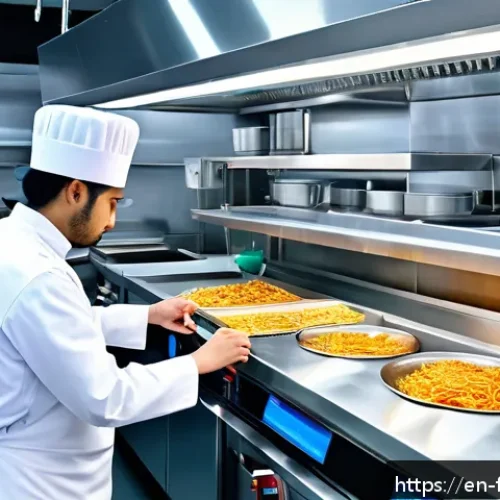
퓨전 패스트푸드의 지역화 전략 - **Vibrant Indian Fast Food Experience**
    A lively, high-definition photograph capturing a bustlin...

You know that feeling when you try a familiar fast-food chain in a new country, and suddenly, everything’s a delightful (or sometimes puzzling!) surprise?

That’s the art of localization, and when you throw “fusion” into the mix, it gets even more fascinating. Fast food giants aren’t just serving up global staples anymore; they’re expertly blending international flavors with local tastes, creating unique culinary experiences that truly hit home.

It’s a delicate dance of cultural appreciation and savvy marketing, and honestly, seeing how they pull it off is endlessly captivating. I’ve been tracking this trend closely, and the strategies emerging are brilliant—from regional spice blends to entirely new menu items that perfectly capture a local vibe.

Let’s dig into the secrets behind these mouth-watering adaptations.

That’s the exact sensation I’m talking about, and it’s more than just a novelty; it’s a brilliant business strategy. Think about it: a seemingly simple adjustment, like swapping out a standard sauce for a local favorite, can transform a generic meal into something truly special and deeply resonant with local diners.

I’ve personally experienced the joy of discovering these regional twists, like when I tried a McDonald’s McSpicy in Asia and realized it was a whole different league of heat compared to anything back home.

It’s not just about adding a new ingredient; it’s about understanding the entire culinary landscape, the food traditions, and even the social rituals around eating in a specific region.

This isn’t just about selling more burgers or fries; it’s about becoming a part of the local fabric, earning trust, and showing genuine appreciation for diverse palates.

It’s a masterclass in market penetration, proving that while a global brand might offer consistency, true success often comes from embracing delightful inconsistency tailored to specific communities.

The chains that get this right aren’t just selling food; they’re selling an experience that feels both familiar and excitingly new.

Embracing Local Palates: More Than Just a Spice Rack

퓨전 패스트푸드의 지역화 전략 - **Vibrant Indian Fast Food Experience**
    A lively, high-definition photograph capturing a bustlin...

You know, it’s easy to think that localizing a menu is just about throwing in some regional spices, but my experience tells me it goes so much deeper than that. It’s about understanding the very foundation of local tastes – what people grew up eating, what flavors evoke comfort, and what textures are expected. For instance, in some parts of the world, a certain level of sweetness in savory dishes is completely normal, whereas in others, it would be an absolute no-go. I remember being fascinated by how McDonald’s in India doesn’t even serve beef, instead focusing on chicken and vegetarian options like the McAloo Tikki, a spiced potato patty that’s a staple there. It’s not just a menu item; it’s a nod to a deeply ingrained culinary tradition and religious dietary preferences. These brands invest heavily in R&D, not just in their home countries, but specifically in regional kitchens, developing prototypes that are tested rigorously with local consumer panels. They’re not just guessing; they’re meticulously researching and refining to hit that perfect balance between global brand identity and local culinary appeal. It’s a costly but incredibly effective strategy for building enduring brand loyalty.

The Art of Ingredient Sourcing and Adaptation

One of the biggest challenges, and opportunities, lies in ingredient sourcing. It’s one thing to want to incorporate a local flavor, but another entirely to find a consistent, scalable, and high-quality supply chain for it. I’ve observed how major chains often work directly with local farmers or suppliers to ensure they get authentic ingredients that meet their stringent quality standards. This isn’t just about cost-effectiveness; it’s about maintaining the integrity of the local flavor profile. For example, if you’re going to introduce a regional chili, it needs to be the *right* regional chili, with the specific heat and aroma that locals expect. My take is that the commitment to sourcing locally not only enhances the flavor but also builds goodwill within the community, supporting local economies. It’s a win-win, really, fostering a sense of authenticity that resonates deeply with consumers who appreciate brands investing in their local markets.

Beyond Flavor: Texture and Presentation Matters

It’s not just about what something tastes like; it’s also about how it feels in your mouth and how it looks. I’ve noticed a significant emphasis on texture when brands localize. Think about the difference between a crispy fried chicken in the West versus a more tender, gravy-soaked version preferred in some Asian countries. These subtle textural nuances are deeply embedded in cultural eating habits. Presentation, too, plays a huge role. While Western fast food often prioritizes speed and convenience, in many other cultures, even a quick meal is expected to have a certain aesthetic appeal. I recall seeing beautifully arranged bento-style meals at a fast-food chain in Japan, a stark contrast to the often more utilitarian presentation elsewhere. It’s about respecting the entire dining experience, not just the sustenance.

Crafting Unique Experiences: Menus That Tell a Story

When I look at some of the truly successful localized menus, what stands out isn’t just the food itself, but the way it creates an experience and tells a story that resonates with local customers. It’s like they’re not just selling a meal, but a piece of local identity. Take the McRib in the US, for instance; it’s not localized in a global sense, but its seasonal reintroduction taps into a nostalgic American experience. Globally, this concept is amplified. I’ve seen chains integrate beloved national dishes into their offerings, not just as a one-off special, but as a permanent fixture. This requires deep cultural understanding and a willingness to step outside the traditional corporate blueprint. It’s about being brave enough to innovate radically, moving beyond simple ingredient swaps to completely reimagining menu categories. My personal belief is that the brands that truly succeed here are those that aren’t afraid to let go of their original ‘global’ menu entirely in certain regions, in favor of something uniquely local.

From Global Staples to Local Icons

It’s fascinating to observe how global chains transform their core offerings into local icons. We’re not just talking about adding a localized topping to a pizza; we’re talking about entirely new pizza bases, sauces, and ingredient combinations that would be unrecognizable to a Western audience. For example, some Subway outlets offer specific bread types or fillings that cater exclusively to regional preferences, making the sub feel less like an American sandwich and more like a local delicacy. I’ve found that this transformation isn’t just about appealing to a broader customer base; it’s about creating a sense of ownership among local consumers, making them feel like the brand truly “gets” them. When a global brand manages to create a product that becomes a local staple, it’s achieved the ultimate form of localization.

Seasonal Sensations and Regional Festivals

Another brilliant strategy I’ve seen is the alignment of menu items with local seasons or festivals. It’s a fantastic way to create a buzz and tap into cultural celebrations. Imagine a special mooncake-flavored dessert released during the Mid-Autumn Festival in Asia, or a pumpkin spice latte becoming a ubiquitous symbol of autumn in North America. I’ve noticed that these seasonal offerings often create incredible social media traction and drive foot traffic, turning a limited-time item into a cultural event. From a revenue perspective, these limited-time offers (LTOs) are gold, creating urgency and excitement. My advice to anyone looking at these strategies is to understand the local calendar inside out – knowing when to launch and what flavors will truly resonate can make all the difference between a forgotten item and a viral sensation.

Advertisement

The Sweet Spot: Dessert Innovations That Delight Local Palates

Let’s be honest, who doesn’t love a good dessert? But just like savory dishes, what constitutes a “good dessert” can vary wildly across cultures. This is an area where fast-food chains have shown some incredible creativity, moving beyond the standard chocolate chip cookie or apple pie to truly embrace local sweet traditions. I’ve had the pleasure of sampling some truly unique fast-food desserts around the world, and it’s clear that these aren’t just afterthoughts; they’re often central to the localized menu strategy. From incorporating local fruits and sweeteners to adapting traditional desserts into a fast-food format, these innovations often become viral sensations, driving not just dessert sales but also overall brand perception. My take is that a well-executed localized dessert can be a powerful symbol of a brand’s commitment to understanding and celebrating local culture, creating a sweet memory that keeps customers coming back for more.

Adapting Traditional Sweets for Speed and Scale

The challenge with traditional desserts is often their intricate preparation. Fast food, by its nature, needs to be quick and scalable. I’ve seen some ingenious solutions to this, where complex, multi-step desserts are cleverly re-engineered to fit the fast-food model without losing their essence. Think about how a delicate tiramisu can be condensed into a parfait or a traditional rice pudding transformed into a convenient cup. The key, I’ve observed, is maintaining the core flavors and textures that make the original dessert beloved, while simplifying the production process. It’s a balancing act that requires both culinary skill and operational savvy. When done right, these adapted sweets offer a taste of home in a convenient format, appealing to both busy locals and curious tourists.

Exotic Flavors and Unexpected Combinations

Sometimes, localization isn’t just about replicating; it’s about innovating with local flavors in entirely new ways. I’m always surprised by the brave new dessert combinations I encounter. Mango sticky rice pie, taro-flavored milkshakes, or even black sesame soft serve – these are not just menu items; they are cultural statements. These innovations often come from a deep understanding of popular local flavor pairings and a willingness to experiment. My personal highlight was trying a durian-flavored ice cream at a fast-food chain in Southeast Asia; it was bold, divisive, and utterly unforgettable, perfectly capturing the spirit of that region. These unexpected combinations often create buzz and media attention, drawing in curious customers eager to try something truly unique.

The Blending Art: When Global and Local Become One

This is where things get really interesting for me – the true “fusion” aspect. It’s not just about offering a local dish *alongside* the global menu; it’s about taking elements from both and creating something entirely new, something that couldn’t exist without the interplay of these different culinary traditions. This isn’t just adding a dash of soy sauce to a burger; it’s about re-imagining the entire concept. I’ve seen fast-food outlets create incredible hybrid dishes that perfectly marry global brand recognition with regional flavor preferences, resulting in something greater than the sum of its parts. This often involves a deep dive into flavor profiles, understanding how different ingredients interact, and being bold enough to break traditional culinary rules. From my perspective, these fusion items are the ultimate test of a brand’s localization prowess, demonstrating a nuanced understanding of cultural integration.

Burgers with a Global Twist

The humble burger often serves as the perfect canvas for fusion. I’ve seen everything from kimchi burgers to teriyaki burgers, and even a “Laksa burger” in some Southeast Asian countries that incorporates the rich, spicy flavors of the traditional noodle soup into a patty and bun. These aren’t just gimmicks; when done well, they truly represent a new culinary experience. The bun might be different, the patty might be seasoned uniquely, and the sauce is almost always a star. I remember trying a burger with a black pepper sauce that was so intensely flavorful, it felt like a gourmet meal from a local restaurant, yet it was served in a typical fast-food wrapper. It shows how a global format can be completely transformed by local culinary ingenuity.

Pizza Innovations: A World of Toppings

Pizza, another global staple, offers an incredible playground for fusion. While a classic pepperoni will always have its place, the real excitement comes from seeing how local ingredients and flavor combinations are integrated. I’ve marveled at pizzas topped with Tandoori chicken, paneer, or even sweet corn and mayonnaise in various parts of the world. These aren’t just random additions; they reflect popular local dishes and flavor preferences, translating them onto a pizza base. It’s a brilliant way to make a universally loved dish feel incredibly personal and relevant to a local audience. From my point of view, these pizza innovations demonstrate a brand’s willingness to truly experiment and cater to an evolving global palate.

Advertisement

Marketing Magic: Connecting Through Culture

퓨전 패스트푸드의 지역화 전략 - **Cozy Japanese Christmas KFC Dinner**
    A heartwarming, cinematic photograph depicting a cozy Chr...

It’s not enough to just create a localized product; you have to tell its story in a way that resonates with the local audience. This is where the marketing strategies become incredibly clever and culturally sensitive. I’ve noticed that the most successful campaigns aren’t just translations of global ads; they are entirely new narratives crafted specifically for the local market, featuring local celebrities, customs, and humor. It’s about speaking to people in their own cultural language, not just their linguistic one. This involves everything from adapting ad jingles to reflect local musical styles to creating campaigns that tie into national holidays or community events. My personal observation is that brands that embrace local marketing truly become integrated into the culture, moving beyond being a foreign entity to becoming a beloved local fixture. This deep connection significantly impacts brand loyalty and repeat business, far more than any generic global campaign ever could.

Localized Campaigns and Brand Ambassadors

One of the most effective strategies I’ve seen is the use of local brand ambassadors and entirely localized advertising campaigns. Instead of relying on global superstars, chains will often partner with popular local celebrities, musicians, or even social media influencers who genuinely connect with the target audience. This creates a sense of authenticity and relatability that simply can’t be achieved with a generic global ad. I’ve watched campaigns where the humor, the situations, and even the family dynamics depicted are distinctly local, making the brand feel incredibly relevant and personal. It’s a smart move because it signals that the brand understands and respects the local culture, rather than just trying to impose a global identity. When a familiar face from a local TV show is seen enjoying a localized menu item, it sends a powerful message.

Community Engagement and Social Responsibility

Beyond direct advertising, successful localization often extends into community engagement and social responsibility initiatives. I’ve seen fast-food chains sponsor local sports teams, participate in local charity events, or even launch educational programs tailored to community needs. This isn’t just good PR; it’s a genuine effort to become a part of the local ecosystem. By demonstrating a commitment to the well-being of the community, brands build trust and strengthen their reputation. My experience suggests that consumers, especially younger generations, are increasingly aware of a brand’s social impact, and these localized efforts can significantly influence purchasing decisions. It fosters a sense of shared values and collective identity, making the brand more than just a place to grab a quick meal.

Navigating Cultural Sensitivities: The Art of Adaptation

This aspect is perhaps the most delicate, yet utterly crucial, in the entire localization process. It’s about understanding not just what people eat, but *why* they eat it, and what cultural or religious significance certain foods or practices hold. A misstep here can be catastrophic, leading to public backlash and irreparable damage to a brand’s reputation. I’ve heard stories, though thankfully not witnessed too many personal blunders, where brands have inadvertently offended local customs due to a lack of thorough cultural research. It’s a constant tightrope walk, requiring immense sensitivity and respect. For instance, understanding dietary restrictions, religious observances, or even specific dining etiquette is paramount. My personal rule of thumb for any brand expanding globally is to prioritize extensive cultural training for their local teams and empower them to guide menu development and marketing strategies. This isn’t just about avoiding mistakes; it’s about showing genuine respect and fostering positive relationships.

Dietary Restrictions and Religious Observances

This is a big one. For global fast-food chains, adapting to diverse dietary needs, especially those rooted in religion, is non-negotiable for success in many markets. I’m talking about things like strictly halal or kosher menus in certain regions, or even accommodating vegetarian and vegan diets that are more prevalent in some cultures. It’s not just about offering an alternative; it’s about ensuring the entire preparation process adheres to specific guidelines, from sourcing ingredients to cooking methods. I’ve been impressed by how some brands go to extraordinary lengths, even setting up entirely separate kitchens or certified processes, to earn the trust of communities with specific dietary requirements. It’s a clear sign that they understand the depth of these cultural commitments, and from a consumer perspective, it builds immense confidence and loyalty.

Respecting Etiquette and Dining Norms

Beyond the food itself, the way food is consumed and served can also be culturally significant. While fast food inherently challenges some traditional dining norms, successful localization still finds ways to respect local etiquette. This could involve subtle things, like providing specific utensils, or more overt adaptations, like encouraging family-style sharing rather than individual meals. I’ve noticed how some drive-thrus in certain countries are designed differently to accommodate local vehicle types or traffic patterns. Even the language used on menus and promotional materials needs to be carefully crafted to avoid any cultural faux pas. My advice is always to put yourself in the shoes of the local customer and consider their entire journey, from ordering to eating, through a cultural lens.

Advertisement

The Future Plate: What’s Next in Global Fast Food Fusion?

Looking ahead, I feel like we’re only scratching the surface of what’s possible in fast-food localization and fusion. The pace of innovation is accelerating, driven by increasingly interconnected global palates and a demand for both familiarity and novelty. What I anticipate is an even deeper integration of technology, allowing for more personalized and hyper-localized offerings. Imagine AI-driven menus that suggest items based on your local preferences, dietary needs, and even real-time local events. The lines between what’s “fast food” and “casual dining” are already blurring, and I expect this trend to continue, with fast-food chains offering higher quality, more sophisticated localized options. My prediction is that the future will see brands becoming even more chameleon-like, seamlessly adapting their entire brand identity to fit specific regional contexts, while still maintaining their global recognition. It’s an exciting time to be a food enthusiast, that’s for sure!

Hyper-Personalization and Data-Driven Localization

The next frontier, in my opinion, is hyper-personalization, driven by advanced data analytics. Fast-food chains already collect vast amounts of data, and I envision a future where this data is used not just for broad regional localization but for incredibly specific, even individual, menu recommendations. Imagine walking into a fast-food outlet, and your app, knowing your preferences and local trends, suggests a customized fusion item that perfectly hits your sweet spot. This could involve rotating localized specials based on real-time feedback from smaller demographic groups within a city, or even offering customizable spice levels that learn your tolerance. It’s about moving beyond “one size fits all” localization to “one size fits *you*.”

Sustainable Sourcing and Ethical Fusion

As consumers become more environmentally and socially conscious, I believe the focus on sustainable sourcing and ethical production will become an even more critical aspect of localization and fusion. It’s not just about using local ingredients, but about ensuring those ingredients are sourced responsibly and that the entire supply chain aligns with ethical labor practices. I anticipate brands will increasingly highlight these efforts in their marketing, making “conscious fusion” a new selling point. This could involve showcasing fair-trade local spices, promoting plant-based localized options, or even partnering with local communities on environmental initiatives. It’s about creating fusion that tastes good and *does* good, resonating with a new generation of informed consumers who value both flavor and impact.

Chain Region Localized/Fusion Item Key Adaptation
McDonald’s India McAloo Tikki Burger Potato and pea patty, catering to vegetarian preferences and local spice palate.
KFC Japan Christmas Dinner Bucket A festive tradition, pre-ordered fried chicken meals for Christmas Eve.
Starbucks China Red Bean Green Tea Frappuccino Incorporates popular Asian dessert flavors like red bean.
Pizza Hut Middle East Kofta Pizza Features a local meatball (kofta) topping, adapting to regional savory tastes.
Subway France Jambon-Fromage Sub Traditional ham and cheese, reflecting common French sandwich preferences.

Wrapping Up Our Culinary Journey

What an incredible journey we’ve had, exploring the fascinating world where global fast-food giants beautifully blend with local culinary traditions! It’s truly a testament to how food transcends borders, evolving and adapting to tell unique cultural stories. I’ve always believed that the best meals aren’t just about taste, but about the experience and the connection they forge. Seeing brands wholeheartedly embrace local palates, from unexpected dessert innovations to culturally sensitive marketing, really brings that philosophy to life. It makes you realize that food is a powerful bridge, connecting us all through shared flavors and unforgettable moments, no matter where we are.

Advertisement

Useful Tidbits for the Curious Palate

  1. Don’t be afraid to try the localized menu items when you travel! These are often culinary gems that offer a unique insight into the local culture, far beyond what you’d find on a standard menu.

  2. Many fast-food chains invest heavily in local R&D, working with local chefs and consumer panels to perfect their localized offerings, ensuring authenticity and appeal.

  3. Keep an eye out for seasonal or festival-themed items. These limited-time offers are often the most creative and culturally rich, tapping into specific local celebrations.

  4. Localization isn’t just about food; it extends to marketing campaigns, store designs, and even community engagement, all tailored to resonate with local audiences.

  5. The “fusion” trend in fast food is constantly evolving. What seems adventurous today might become a staple tomorrow, so stay curious and open to new flavor combinations!

Key Takeaways

Ultimately, the art of fast-food localization and fusion is a masterclass in cultural appreciation and business acumen. It’s about understanding that while a global brand can offer consistency, true success and enduring loyalty come from a willingness to adapt, innovate, and genuinely connect with the diverse tastes and traditions of local communities. From ingredient sourcing and menu development to marketing and cultural sensitivity, brands that get this right aren’t just selling food; they’re selling an experience that feels both familiar and excitingly new, creating a delicious dialogue between global and local that keeps us all coming back for more.

Frequently Asked Questions (FAQ) 📖

Q: What’s the real difference between “localization” and “fusion” when we talk about fast food?

A: This is a fantastic question, and honestly, the lines can get a little blurry, but I’ve found a clear distinction that helps. Think of localization as adapting existing menu items or creating new ones that resonate specifically with a local palate, using familiar ingredients or flavor profiles.
It’s about making a global brand feel utterly local. For example, when McDonald’s introduces a Lobster Roll in certain parts of Canada or New England, that’s localization.
They’re tapping into a regional favorite, using local ingredients. It’s still fundamentally “McDonald’s,” but with a local twist. Fusion, on the other hand, is where things get truly adventurous!
This is when a fast-food chain intentionally blends two or more distinct culinary traditions to create something entirely new and often unexpected. It’s not just adapting; it’s innovating.
Imagine a Korean BBQ taco from a Western fast-food chain, or a burger with a Thai green curry sauce. That’s fusion in action – taking the best of different worlds and smashing them together into a delicious, sometimes mind-bending, experience.
I remember trying a Kimchi Bulgogi Burger from a major chain in Korea, and while that’s local to Korea, the concept of a “Bulgogi Burger” itself is a fusion of Korean flavors with a Western burger format that can then be localized to other markets.
The goal for both is to surprise and delight, but fusion aims for a bolder, often more globally inspired mash-up.

Q: How do these massive chains figure out which local flavors or ingredients to incorporate? It must be a huge risk!

A: Oh, you hit the nail on the head – it’s absolutely a huge undertaking, and it’s far from random! From what I’ve observed and learned from folks in the industry, it’s a meticulously calculated process.
It starts with deep-dive market research. We’re talking about extensive surveys, focus groups, and even ethnographic studies to understand local dietary habits, popular dishes, spice preferences, and cultural taboos.
They look at what’s trending in local restaurants, what ingredients are readily available and sustainable, and what flavors evoke a sense of comfort or excitement for the local population.
It’s not just about what tastes good, though; it’s also about cultural resonance. Does a certain flavor or dish have a nostalgic quality? Does it represent a celebration or a common meal shared with family?
They often collaborate with local culinary experts, chefs, and even food scientists to ensure authenticity and quality. And trust me, they do a lot of testing.
I’ve heard stories of dozens of variations being taste-tested before one makes it to market. It’s an expensive trial-and-error, but when they get it right, the payoff is massive – building loyalty and making their brand feel like a true part of the community, not just a foreign import.
It’s all about respecting local tastes while still delivering that familiar fast-food convenience.

Q: Can you give us some super cool examples of this localization or fusion done right? I’m always curious to see what works!

A: Absolutely! This is where the magic really happens, and some of these examples have blown my mind. One that always comes to mind is KFC in various countries.
While we know and love the original recipe, if you travel, you’ll find incredible adaptations. In the UK, you might find gravy that’s practically a national staple alongside your fries.
Head to Japan, and their “Christmas Chicken” tradition is legendary – a bucket of KFC is the festive meal! But for true flavor localization, think about their spicier options in places like Singapore or their more delicate herbs and spices in other Asian markets.
It’s still fried chicken, but with a nuanced local touch that makes it distinctly “theirs.”Another fantastic one is McDonald’s worldwide. Beyond the Lobster Roll I mentioned, think about the McAloo Tikki Burger in India, which is a spiced potato and pea patty – perfectly catering to local vegetarian preferences and flavor profiles.
Or even the McSpicy in Southeast Asia, which has a cult following for its intense kick. For a bit more fusion, sometimes Starbucks will experiment with localized beverages, like a “Sakura Blossom Latte” in Japan, blending global coffee culture with a distinct local seasonal flavor.
What I love about these examples is how they show that fast food doesn’t have to be monolithic. It can be a vibrant reflection of local culture, proving that sometimes, the most delicious surprises come from stepping outside the box and embracing the local vibe!
It makes me wonder what delicious creation they’ll come up with next!

Advertisement