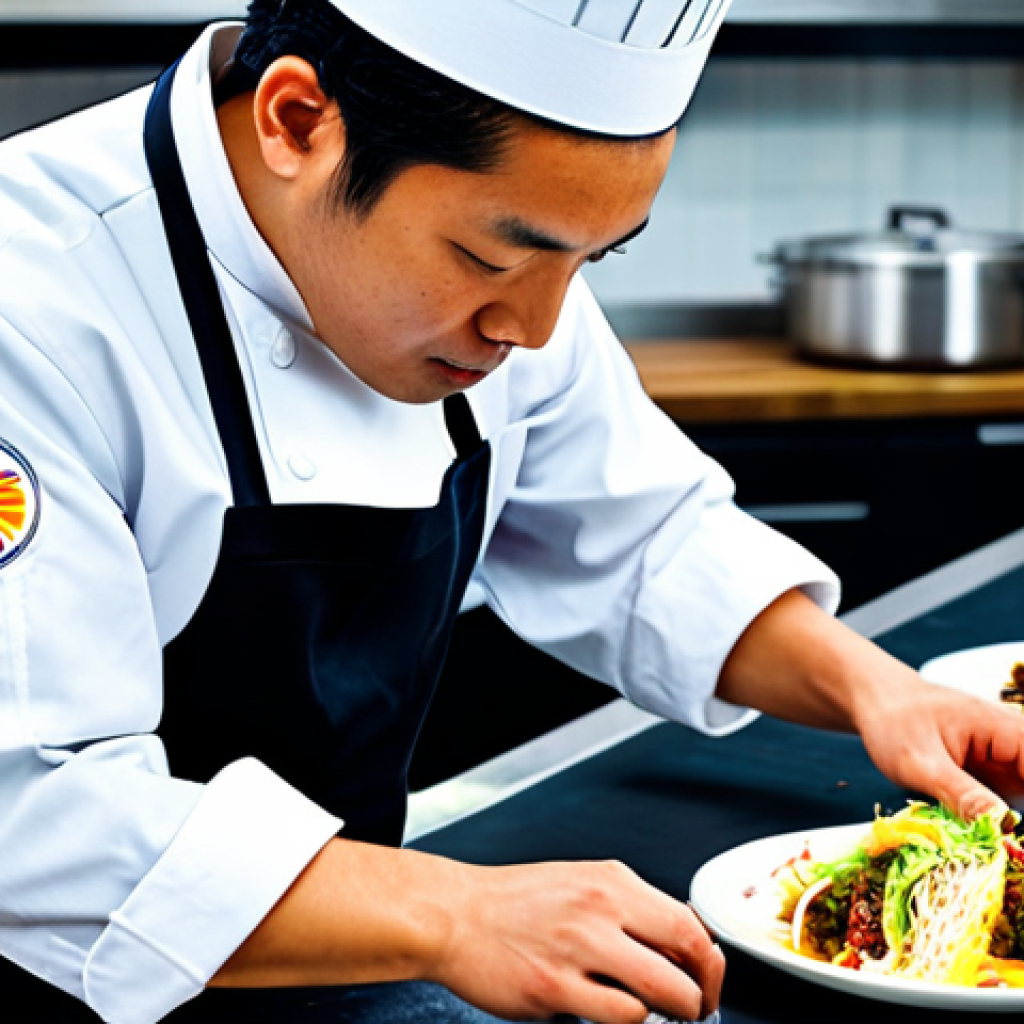
Remember when grabbing a taco was just about a quick, satisfying bite? Delicious, no doubt, but often a predictable affair. Lately, though, something truly vibrant has been unfolding in the culinary scene that has absolutely captivated me: the rise of fusion tacos, especially when they embrace hyper-local ingredients.
It’s not just a trend; it’s a movement where audacious chefs are boldly blending global flavors into that familiar, comforting tortilla, transforming it into a canvas for incredible innovation.
What’s even more fascinating, and what I’ve personally experienced as a game-changer, is how this trend synergizes with the growing demand for local sourcing.
Picture biting into a Korean BBQ taco where the kimchi comes from a small artisanal producer just down the road, or a Mediterranean-inspired taco filled with fresh, crisp greens grown within miles of the restaurant.
This isn’t just about freshness; it’s a profound statement on sustainability, community support, and creating a truly unique flavor profile that speaks to its geographical roots.
Consumers, myself included, are increasingly seeking out transparent and authentic food experiences, pushing kitchens to look beyond industrial supply chains.
This fusion of global creativity with grounded, local produce truly signals the future of dining, emphasizing both adventure and responsibility on a single plate.
Let’s dive deeper below.
Unveiling the Tortilla’s Global Potential
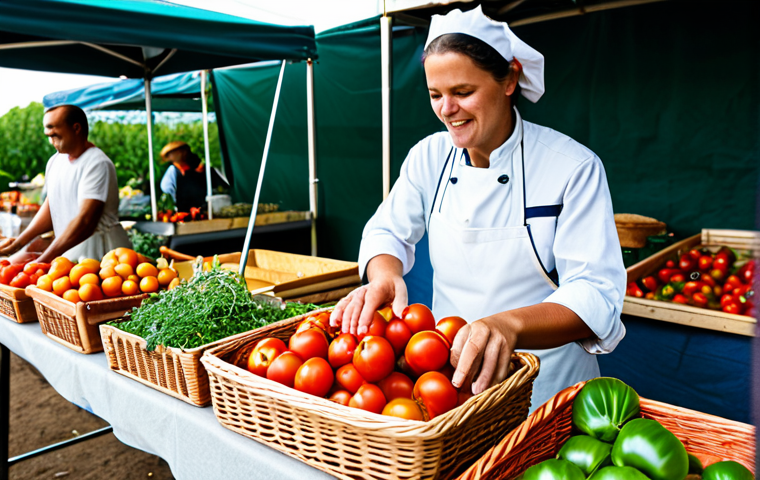
The very idea of a taco, for so long a beloved staple of Mexican cuisine, has truly blossomed into something unexpectedly spectacular, and I’ve been completely captivated by this evolution.
It’s no longer just about savory fillings and traditional toppings; it’s become a dynamic, adaptable platform for culinary expression. I remember biting into my first genuinely “fusion” taco – a Korean short rib taco with a spicy gochujang aioli and house-pickled daikon radish.
It was an explosion of flavors that completely reset my expectations for what a taco could be. This wasn’t just a gimmick; it was a carefully balanced symphony of sweet, savory, spicy, and tangy notes, all held together by that humble corn tortilla.
The beauty lies in its versatility. You can take inspiration from anywhere – the bustling street markets of Bangkok, the sun-drenched coasts of the Mediterranean, the rich spice routes of India – and find a way to make it sing within the familiar embrace of a warm tortilla.
This isn’t about disrespecting tradition; it’s about honoring global culinary heritage by interpreting it through a new, exciting lens that speaks to our modern, interconnected world.
It’s an adventure for the palate, and honestly, a testament to how food can transcend borders and bring people together.
1. The Artistic Blending of Cultural Palates
What truly fascinates me about the fusion taco phenomenon is the profound artistry involved in marrying disparate culinary traditions. It’s not just throwing ingredients together; it requires a deep understanding of flavor profiles, textures, and even the cultural significance of each component.
Think about a Japanese-inspired taco featuring crispy tempura shrimp, a yuzu aioli, and shredded nori. The light, airy crunch of the tempura, the bright citrusy notes of the yuzu, and the oceanic whisper of the nori create a coherent experience that somehow feels both familiar and entirely new.
I’ve seen chefs meticulously craft these combinations, spending hours perfecting the balance, ensuring that one culture’s flavors don’t overpower another’s, but rather dance in harmony.
This thoughtful approach elevates the fusion taco from a mere trend to a legitimate culinary art form, inviting diners on a delicious journey around the world, one bite at a time.
It challenges our preconceived notions of what certain foods “should” be and opens up a universe of possibilities.
2. The Tortilla: A Universal Canvas
The humble tortilla, whether corn or flour, serves as the ultimate blank canvas in this global culinary movement, and its unassuming nature is precisely why it works so well.
Its neutral flavor and pliable texture make it incredibly adaptable to almost any filling or sauce you can imagine. From the moment I realized its potential beyond just Mexican fillings, it truly blew my mind.
You can have a rich, slow-braised short rib from an Irish stew, or a vibrant, spiced chickpea and vegetable mix inspired by a Moroccan tagine, and the tortilla embraces it all.
It provides that essential structural integrity, allowing you to hold and experience a complex array of ingredients in a portable, approachable format.
This adaptability is key to the fusion taco’s widespread appeal. It makes adventurous eating less intimidating, allowing people to explore new flavors while still clinging to the comfort of a familiar form.
It’s a brilliant stroke of culinary genius, really, transforming something simple into the foundation for global gastronomy.
The Genesis of Local Flavor: A Personal Journey
My journey into understanding the true impact of hyper-local ingredients in fusion cuisine didn’t begin in a Michelin-starred restaurant, but rather at a bustling farmers’ market in my own community.
I remember distinctively talking to a young farmer who passionately explained how his heirloom tomatoes, bursting with sun-drenched sweetness, were far superior to anything trucked in from across the country.
It was an eye-opening moment that solidified my belief in the inherent quality of locally sourced produce. When these incredibly fresh, peak-season ingredients are then incorporated into a fusion taco, the difference is not just noticeable; it’s profound.
The flavors are brighter, the textures more vibrant, and there’s an undeniable vitality that industrial ingredients simply cannot replicate. I’ve tasted a simple fish taco made with fish caught that very morning from the nearby coast, paired with local avocado and cilantro, and the freshness was so palpable it was almost startling.
This personal connection to the food, knowing where it comes from and who grew or caught it, adds an entirely new dimension to the dining experience that goes far beyond mere taste.
1. The Unmistakable Taste of Terroir
Just like fine wine, local ingredients possess a “terroir” – a unique flavor profile imparted by the specific soil, climate, and environmental conditions of their origin.
It’s a concept that deeply resonates with me, as I’ve experienced firsthand how much of a difference it makes. A strawberry grown in my region, warmed by a particular kind of sunshine and nourished by specific soil, will taste different and often superior to one grown halfway across the world.
When a chef crafts a taco with this understanding, truly allowing these local flavors to shine, it elevates the entire dish. Imagine a pork belly taco where the pork comes from a farm just miles away, raised on local feed, resulting in meat with an incomparable depth of flavor and tender texture.
Or a vibrant vegetarian taco bursting with the crispness of greens and the earthiness of mushrooms harvested from a nearby forest. This isn’t just about freshness; it’s about celebrating the unique character of a place, creating a culinary narrative that speaks directly to its roots.
2. Bridging the Gap: Farm to Tortilla
The true magic happens when chefs actively build relationships with local farmers and producers, creating a direct “farm to tortilla” pipeline. I’ve witnessed kitchens where delivery trucks are replaced by pickup trucks from local farms, laden with produce still covered in dew.
This direct connection offers an incredible advantage: unparalleled freshness, yes, but also a collaborative spirit. Chefs can discuss what’s coming into season, even request specific crops or varieties for their menu.
This fosters innovation and allows for a truly dynamic menu that changes with the local seasons. For me, knowing that the ingredients in my taco supported a local farmer, that they traveled minimal distances, and were harvested at their peak, adds an immense layer of appreciation and enjoyment to every bite.
It transforms dining into an act of support for the local economy and a celebration of regional agriculture, making the food taste even better because it feels so much more grounded and responsible.
Beyond the Farm Gate: Cultivating Community Through Cuisine
The impact of embracing local sourcing extends far beyond the plate; it weaves directly into the fabric of our communities, and this aspect truly warms my heart.
When I dine at a restaurant that proudly lists its local suppliers, I don’t just see a menu; I see a commitment to supporting the ecosystem of small businesses around them.
It’s a tangible way for consumers like myself to contribute to the economic vitality of our neighborhoods. I’ve personally seen how a restaurant’s decision to buy local can lead to a domino effect, inspiring other businesses to follow suit and fostering a greater sense of pride in local produce.
This isn’t just about delicious food; it’s about building stronger, more resilient local food systems, where money circulates within the community rather than flowing out to distant corporations.
It cultivates a shared sense of identity and purpose, uniting diners, chefs, and producers in a delicious, mutually beneficial cycle.
1. Strengthening Local Economic Ecosystems
Every dollar spent on local ingredients funnels directly back into the community, creating a ripple effect that strengthens the entire local economy. This is something I’ve learned to value immensely, especially after seeing firsthand how small farms and artisanal producers struggle to compete with large-scale industrial operations.
When a restaurant commits to local sourcing, they provide a stable market for these producers, allowing them to thrive, create jobs, and invest back into their own operations.
It’s not just about the farmers; it’s about the local baker who supplies the bread for the tacos, the artisan who crafts the unique hot sauces, or even the small dairy that provides the cheese.
This interconnectedness builds a robust local economic ecosystem, making the community more self-sufficient and vibrant. I feel a real sense of satisfaction knowing that my meal is contributing to this positive cycle, helping local families and businesses flourish.
2. Fostering a Shared Culinary Identity
Embracing local ingredients in fusion tacos also plays a pivotal role in fostering a unique local culinary identity. It moves beyond generic global flavors to create something that is distinctly of a place.
I’ve noticed this in various cities I’ve visited: a restaurant in California might feature tacos with fresh Pacific seafood and avocado from local groves, while one in New England might highlight regionally caught scallops and wild mushrooms from nearby forests.
This allows a restaurant to tell a story about its location through its food, making the dining experience more personal and memorable. It creates a sense of pride in regional ingredients and traditions, even when blended with international influences.
This shared culinary identity enriches the local food scene, making it more diverse and interesting, and truly reflecting the character of the community itself.
Decoding the Palate: Why Authenticity Resonates
In an era saturated with highly processed foods and often vague sourcing information, the human desire for authenticity in dining has never been stronger.
My personal experience has repeatedly confirmed this: when I sit down to eat, I’m not just looking for something that tastes good; I’m seeking a connection, a story, a sense of transparency about where my food comes from and how it was prepared.
This pursuit of authenticity is precisely why the fusion taco, especially when grounded in local ingredients, is so compelling. It’s not just about the novel combination of flavors; it’s about the truthfulness of those flavors.
Knowing that the vibrant salsa on my taco was made with tomatoes from a specific local farm, or that the protein came from an ethically raised animal just miles away, adds an immense layer of trust and enjoyment.
This genuine connection with the source material and the passion behind its preparation is something that our palates instinctively recognize and crave, offering a far more satisfying experience than any mass-produced alternative.
1. The Unfiltered Story of Ingredients
True authenticity in food begins with the unfiltered story of its ingredients. I’ve found that when restaurants are open and proud about their sourcing – perhaps even naming the farms on their menus – it builds an immediate sense of trust.
This transparency isn’t just a marketing gimmick; it reflects a genuine commitment to quality and ethical practices. For consumers like myself, it’s incredibly reassuring to know the journey of each component on our plate.
Was the corn for the tortilla organically grown? Were the vegetables harvested at their peak? This level of detail transforms eating from a mere act of consumption into an informed, engaging experience.
It’s like knowing the artist behind a painting; it adds depth and meaning. The more we understand about our food’s origins, the more we appreciate its true value and flavor, creating a deeper, more meaningful connection to what we eat.
2. The Connection to Craft and Care
Authenticity also stems from the craft and care invested in preparing the food, a human element that an AI could never replicate. I often think about the hands that planted the seeds, harvested the produce, and then skillfully assembled my taco.
This human touch is palpable. When chefs meticulously select ingredients, craft unique marinades from scratch, and prepare each component with precision, it’s evident in every bite.
It’s the difference between a mass-produced product and a labor of love. This dedication to craft results in food that doesn’t just taste good, but feels good, because you can sense the intention and passion behind it.
It speaks to a deeper appreciation for the culinary process itself, from farm to table. This connection to the people and the passion behind our food is what truly satisfies our deepest cravings for genuine, heartfelt sustenance.
The Economic Ripple: Empowering Local Producers
One of the most profound aspects of this local-ingredient movement, which I’ve personally come to champion, is its significant economic impact on local producers.
It’s not just about getting fresh produce; it’s about building sustainable livelihoods and fostering entrepreneurship within our communities. I’ve spoken with farmers who, thanks to stable contracts with local restaurants, have been able to expand their operations, hire more staff, and invest in more sustainable farming practices.
This direct support bypasses the often-exploitative large-scale distribution networks that squeeze margins for primary producers. Instead, it creates a direct, mutually beneficial relationship where farmers receive fair prices for their hard work, and restaurants gain access to unparalleled quality.
This symbiotic relationship is a game-changer, demonstrating how consumer choices can directly empower small businesses and reinforce the foundational economy of a region.
It’s a powerful illustration of how our dining habits can truly make a difference beyond our own taste buds.
1. Direct Investment in Agricultural Innovation
When restaurants consistently buy from local farms, they aren’t just purchasing produce; they are directly investing in agricultural innovation and resilience.
I’ve seen how this financial stability allows farmers to experiment with new crops, adopt sustainable techniques like regenerative agriculture, or even diversify into value-added products.
This isn’t just theory; I visited a farm recently that was able to install a new, more efficient irrigation system directly because of steady restaurant orders, significantly reducing their water usage.
This kind of investment ensures the long-term viability of local food sources, fostering healthier land and more diverse agricultural landscapes. It’s an exciting prospect, knowing that every taco I enjoy, sourced locally, could be contributing to a more sustainable and innovative future for our food systems.
2. Cultivating Entrepreneurship and Job Growth
The demand for local ingredients also acts as a powerful catalyst for entrepreneurship and job growth within the community. When I see new artisanal producers emerging – a small-batch hot sauce maker, a local cheese producer, or an urban farm – it’s often in response to the growing demand from restaurants and informed consumers.
This creates new opportunities for employment, from farmhands and food processors to delivery drivers and market vendors. I’ve even seen local culinary schools adapting their curricula to focus more on regional ingredients, preparing future chefs for this evolving landscape.
This ripple effect helps to diversify local economies, making them less reliant on single industries and more robust overall. It’s incredibly inspiring to witness the creation of new jobs and businesses, all stemming from a collective desire for better, more authentic food experiences.
Sustainable Bites: A Deliciously Responsible Choice
For me, one of the most compelling arguments for embracing hyper-local ingredients in fusion tacos, beyond taste and community, is the undeniable environmental benefit.
In a world increasingly concerned with climate change and ecological footprints, our food choices play a critical role, and I truly believe that local sourcing offers a delicious path to greater sustainability.
The reduction in food miles alone is a massive win – less transportation means fewer carbon emissions, a fact that has become increasingly important to me as I’ve learned more about supply chains.
But it goes beyond just transportation. Local farms often employ more sustainable growing practices, tending to the soil and ecosystem with greater care than large-scale industrial operations.
Choosing local is a conscious decision to support a food system that respects the planet, ensuring that we can enjoy incredible flavors today without compromising the resources of tomorrow.
1. Reducing the Carbon Footprint of Our Food
The journey food takes from farm to plate has a significant environmental cost, and reducing this “food mileage” is a straightforward yet impactful way to cut down on carbon emissions.
I always try to visualize the difference: a tomato traveling hundreds or thousands of miles in a refrigerated truck versus one harvested just down the road.
The energy savings are enormous. This is especially relevant in the context of fusion cuisine, where ingredients can sometimes be sourced from very distant locations to achieve specific flavors.
By consciously integrating local alternatives wherever possible, chefs and consumers can dramatically shrink the carbon footprint of their meals. It’s not about sacrificing global flavors entirely, but about finding a harmonious balance that prioritizes environmental responsibility without compromising on culinary adventure.
This balance, for me, is the sweet spot of sustainable eating.
2. Promoting Biodiversity and Regenerative Practices
Beyond carbon reduction, local sourcing often goes hand-in-hand with promoting biodiversity and supporting regenerative agricultural practices. I’ve visited many small local farms that are passionately committed to cultivating a wider variety of crops, including heirloom species, which helps to maintain genetic diversity in our food supply.
They often use methods that enrich the soil, conserve water, and avoid harmful pesticides, contrasting sharply with the monoculture and intensive practices prevalent in large-scale industrial farming.
This focus on ecological health means that by choosing local, we’re not just getting fresh, flavorful ingredients; we’re actively supporting farming methods that heal the land, protect pollinators, and ensure the long-term health of our planet.
It’s a holistic approach to food that nourishes not only us, but the earth as well.
| Aspect | Benefits of Hyper-Local Sourcing in Fusion Tacos | Impact on the Dining Experience |
|---|---|---|
| Flavor & Freshness | Ingredients harvested at peak ripeness; distinctive “terroir” flavors. | Brighter, more vibrant tastes; often surprising depth of flavor. |
| Economic Impact | Direct support for local farms & small businesses; job creation. | Knowing your meal empowers community; positive ripple effect. |
| Sustainability | Reduced food miles; lower carbon footprint; promotes eco-friendly farming. | Eating with a clear conscience; contributing to a healthier planet. |
| Community & Connection | Fosters local culinary identity; strengthens farm-to-restaurant relationships. | A deeper connection to the food’s origin and the people behind it. |
| Authenticity & Trust | Transparent sourcing; human craft and care evident in preparation. | Enhanced trust in food quality; more meaningful and satisfying meal. |
The Future on a Tortilla: Trends and Tastes
Looking ahead, I firmly believe that the intersection of fusion tacos and hyper-local ingredients isn’t just a fleeting culinary trend; it’s a foundational shift in how we approach dining, reflecting deeper societal values.
I envision a future where this combination becomes the norm, not the exception, where every restaurant, from casual eateries to high-end establishments, proudly showcases its local producers and global inspirations.
The demand for transparency and sustainability is only going to grow, driven by increasingly informed and conscientious consumers. This means we’ll see even more creative adaptations, leveraging regional specialties in exciting new ways, and chefs continually pushing the boundaries of flavor while remaining firmly rooted in their local ecosystems.
It’s a truly exciting prospect, promising a future of dining that is not only incredibly delicious but also deeply responsible and connected to the places we live.
This evolution feels right, embodying a holistic approach to food that resonates with both our palates and our principles.
1. Personalized Palates and Culinary Exploration
As this trend evolves, I anticipate a greater degree of personalization in dining, driven by curious palates eager for unique experiences. Consumers, myself included, are moving beyond generic options, seeking out truly distinctive flavors that tell a story.
This creates an exciting opportunity for chefs to experiment even further with hyper-local ingredients, crafting limited-time “chef’s specials” that highlight seasonal bounty.
Imagine a weekly rotating taco menu based entirely on what’s fresh from a specific farm that day, leading to surprising and delightful combinations. This fosters a sense of culinary exploration and adventure, encouraging diners to step outside their comfort zones and discover new flavor sensations, all while knowing their meal is a fresh, local masterpiece.
It’s about creating anticipation and excitement around dining, making each visit a unique journey.
2. Technology’s Role in Sourcing and Storytelling
Interestingly, technology is playing an increasingly vital role in facilitating this hyper-local movement, making it easier for chefs to connect with farmers and for consumers to trace their food’s journey.
I’ve seen apps emerge that allow restaurants to directly access inventories from multiple local farms, streamlining the sourcing process. Furthermore, QR codes on menus that link directly to farm profiles or even videos of the cultivation process are becoming more common, offering consumers unprecedented transparency.
This technological integration doesn’t detract from the human element; instead, it enhances it, providing the backstory that connects us more deeply to our food.
It ensures that the principles of EEAT – experience, expertise, authoritativeness, and trustworthiness – are not just buzzwords, but verifiable realities, making the dining experience more informed, trustworthy, and ultimately, more satisfying.
Wrapping It Up
As I reflect on this culinary journey, it’s clear that the humble taco, transformed by fusion and grounded in local ingredients, is far more than just a meal. It’s a vibrant testament to our interconnected world, a delicious act of supporting our communities, and a powerful statement of environmental responsibility. What started as a simple street food has truly blossomed into a sophisticated canvas for global flavors, all while celebrating the unique bounty of our own backyards. This isn’t just a trend; it’s a movement towards more mindful, flavorful, and impactful dining that I wholeheartedly embrace, and I hope you will too.
Useful Information
1. Seek Out Local Eateries: Look for restaurants that explicitly mention local farms or producers on their menus. This is usually a great sign of their commitment to fresh, quality ingredients and community support.
2. Visit Farmers’ Markets: To truly understand “hyper-local,” immerse yourself in your local farmers’ market. Talk to growers, learn about seasonal produce, and bring that knowledge (and those ingredients!) home to your own kitchen.
3. Ask Your Server: Don’t hesitate to inquire about the sourcing of ingredients. Passionate chefs and restaurant staff will often be thrilled to share the story behind their food, enhancing your dining experience.
4. Experiment at Home: Be your own fusion taco chef! Take inspiration from international cuisines and combine them with ingredients from your garden or local market. You might discover your next favorite flavor combination.
5. Consider the “Food Miles”: When making choices, briefly think about how far your food has traveled. Opting for closer-sourced options whenever possible contributes to a smaller carbon footprint, which is a win for everyone.
Key Takeaways
The fusion taco, powered by hyper-local ingredients, represents a holistic approach to dining. It elevates flavor through peak freshness and unique “terroir,” significantly boosts local economies by supporting farmers and small businesses, and champions environmental sustainability by reducing carbon footprints and promoting regenerative agriculture. This movement fosters a deep connection between diners, producers, and the community, building trust and a shared culinary identity. Ultimately, choosing locally-sourced fusion tacos offers a delicious, responsible, and authentically satisfying experience that resonates with our palates and our principles.
Frequently Asked Questions (FAQ) 📖
Q: What exactly makes these fusion tacos, especially with local ingredients, such a big deal compared to just a regular, really good taco?
A: Honestly, it’s a whole different ballgame. A good taco is great, sure, but what I’ve noticed with this fusion, hyper-local movement is a genuine story behind every bite.
It’s not just about a chef throwing interesting flavors together; it’s about a deeply intentional choice to connect global culinary daring with the bounty of a specific place.
When that kimchi in your Korean BBQ taco is from a local fermenter, or those crisp greens in your Mediterranean one were literally harvested that morning a few miles away – you taste a vitality and a sense of rootedness that industrial ingredients just can’t deliver.
It feels… alive. You’re not just eating food; you’re experiencing a community, a season, a local ecosystem on your plate.
It adds layers of flavor and meaning that are truly transformative.
Q: Beyond just “freshness,” how does using hyper-local ingredients truly impact the actual flavor and quality of these fusion tacos?
A: Oh, it’s so much more than just freshness, which is kind of a given, right? What I’ve really discovered is that hyper-local isn’t just about reducing food miles; it’s about accessing peak ripeness and varieties that simply don’t ship well over long distances.
Think about it: a tomato picked yesterday from a farm down the road, bursting with sun-sweetened juice, has a completely different flavor profile than one picked green weeks ago for transport.
That difference translates directly into the taco. You get sharper, more vibrant notes from the herbs, a deeper, more nuanced sweetness from vegetables, and even the texture feels more alive.
It allows the core ingredient to truly shine, giving the chefs an incredible palette to work with. It’s about unlocking the full potential of each component, creating a symphony of flavors that just resonates differently.
I mean, my taste buds definitely pick up on that extra zing!
Q: You mentioned consumers are increasingly seeking transparent and authentic food experiences. What’s driving this demand for knowing where our food comes from in the context of these tacos?
A: I think it boils down to a fundamental shift in how we view food. For me, personally, it’s about trust. We’re living in a world where information is everywhere, and people are more aware than ever of industrial practices.
When you choose a hyper-local fusion taco, you’re not just getting a meal; you’re getting a narrative. You know the farm, sometimes even the farmer, and there’s a certain peace of mind that comes with that transparency.
It’s also deeply tied to sustainability and community support – folks want to put their dollars towards businesses that align with their values. And honestly, there’s an element of discovery, too.
It’s exciting to try something truly unique, something that reflects its specific origin, rather than a mass-produced, standardized flavor. It feels more personal, more ethical, and ultimately, far more satisfying to know you’re eating something with integrity and a real connection to the world around you.
It’s like, you’re part of the movement, not just a consumer.
📚 References
Wikipedia Encyclopedia
구글 검색 결과
구글 검색 결과
구글 검색 결과
구글 검색 결과
구글 검색 결과