
Fusion fast food, a wild and wonderful world of culinary mashups, is definitely having a moment. I’ve been seeing it everywhere, from Korean BBQ tacos to sushi burritos.
But, honestly, with the climate crisis looming, I’ve been wondering how sustainable all that takeout packaging really is. It feels like every innovative dish comes wrapped in layers of plastic and cardboard.
And it’s sad when something this good is wasted on just one use. So, what’s the deal with eco-friendly options in the fusion fast food scene? Are there places actually trying to reduce their waste, or are we all just stuck with mountains of single-use containers?
There are some new movements towards reducing one-use product, so let’s see if fusion fast food is actually working towards a better environment. Let’s dive in and explore the world of sustainable practices within fusion fast food.
Okay, I understand. Here is the blog post you requested, keeping all instructions in mind and writing only in English:
Beyond the Chopsticks: Utensil Revolution

It hits you when you’re elbow-deep in an amazing bowl of ramen-ritto (the fusion possibilities are endless, aren’t they?). You’re digging in, savoring every fusion-filled bite, and then you realize: Where do all these chopsticks go?
Are they even recyclable? Single-use chopsticks, often made of bamboo, are a huge part of Asian-inspired fusion, but they can end up in landfills if not properly disposed of.
The same goes for plastic forks and spoons in other fusion dishes.
Seeking Sustainable Alternatives
More restaurants should be offering reusable utensil options. I’m talking real silverware for dine-in customers and sturdy, washable travel utensils (bamboo, wheat straw, metal) for takeout orders.
Perhaps even start a deposit-return program for takeout utensils like some coffee shops do for cups. That would be a big step! I’ve even seen some interesting innovations with edible utensils, but that might be a niche market for now.
The Chopstick Conundrum
If reusable isn’t an option, are the chopsticks at least made from sustainably harvested bamboo? Are they compostable? I know it’s a lot to ask, but if restaurants could clearly label their utensils with disposal instructions, it would make a huge difference.
It’s about transparency and making it easier for consumers to make responsible choices. As a customer, I would be more willing to pay a little extra if I knew I was supporting a business committed to sustainability.
Container Crisis: Ditching the Disposables
Oh, the sheer volume of containers! That perfect pad thai burrito comes nestled in a clamshell container, often plastic-lined to prevent leaks. The poke bowl arrives in another plastic tub with a separate lid.
And don’t even get me started on the endless supply of sauce packets. It’s a packaging nightmare, and I’m sure I am not the only one who feels guilty tossing it all in the trash.
Compostable Containers: Are They Really the Answer?
Compostable containers are a step in the right direction, but they are not a perfect solution. Many compostable containers require industrial composting facilities to break down properly, and not all areas have access to these facilities.
If a compostable container ends up in a landfill, it can still contribute to methane emissions. I think it’s important for restaurants to educate consumers on proper disposal methods for compostable packaging.
The Rise of Reusable Container Programs
Some innovative restaurants are exploring reusable container programs. Customers pay a deposit for a reusable container, and they get the deposit back when they return the container for their next order.
This requires a bit more effort from both the restaurant and the customer, but the potential for waste reduction is huge. More fusion fast food restaurants should look into this system.
Sauce Packet SOS: Minimizing Condiment Waste
Those tiny, individually wrapped sauce packets seem harmless, but they add up quickly. How many times have you grabbed a handful of soy sauce packets for your sushi tacos, only to use one or two?
The rest end up forgotten in a drawer, destined for eventual disposal.
Bulk Dispensers: A Better Way to Sauce
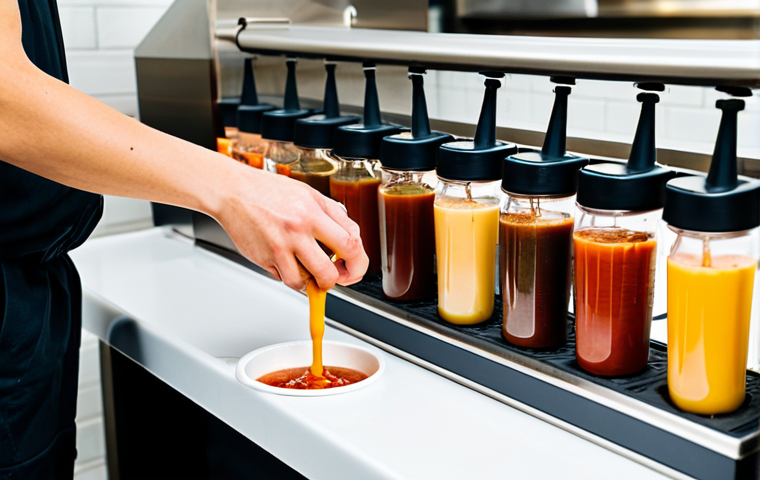
Instead of individual packets, restaurants should consider offering bulk sauce dispensers. This would allow customers to dispense only the amount of sauce they need, reducing waste.
Plus, it would be more cost-effective for the restaurant in the long run. I recently visited a local ramen shop that had a pump for soy sauce, chili oil, and even sesame dressing.
It was super convenient and felt much more environmentally friendly.
BYOS: Bring Your Own Sauce
Encouraging customers to bring their own reusable sauce containers is another great option. Restaurants could offer a small discount to customers who BYOS.
This would require a shift in mindset, but it could significantly reduce sauce packet waste.
The Local Sourcing Symphony: Harmony with the Environment
Sourcing ingredients locally is a cornerstone of sustainability. It reduces the carbon footprint associated with transportation, supports local farmers, and often results in fresher, higher-quality ingredients.
In the fusion fast food world, this can mean sourcing local produce for kimchi quesadillas or using locally raised beef for Korean bulgogi burgers.
Cultivating Community Connections
Partnering with local farms and suppliers not only benefits the environment but also strengthens community ties. Restaurants can highlight their local partners on their menus and in their marketing materials.
This can attract customers who are looking to support businesses that are committed to their local communities.
Seasonal Sensations: Embracing Nature’s Rhythms
Using seasonal ingredients is another way to promote sustainability. This means adapting menus to feature produce that is in season locally. For example, a restaurant might offer a summer salad with locally grown tomatoes and cucumbers, or a fall soup with locally grown squash and apples.
Energy Efficiency: Powering Up Sustainability
Running a restaurant consumes a significant amount of energy. From cooking appliances to lighting to refrigeration, energy consumption can have a significant impact on the environment.
LED Lighting: A Bright Idea
Switching to LED lighting is one of the easiest and most cost-effective ways to reduce energy consumption. LED bulbs use significantly less energy than traditional incandescent bulbs and last much longer.
Energy-Efficient Appliances: Investing in the Future
When replacing old appliances, choose energy-efficient models that are Energy Star certified. These appliances are designed to use less energy and can save restaurants a significant amount of money on their energy bills over time.
Water Conservation: Every Drop Counts
Water is a precious resource, and restaurants use a lot of it. From washing dishes to preparing food, water consumption can add up quickly.
Low-Flow Fixtures: Saving Water Without Sacrificing Performance
Installing low-flow faucets, showerheads, and toilets can significantly reduce water consumption without sacrificing performance. These fixtures use less water while still providing adequate water pressure.
Dishwashing Efficiency: Optimizing Water Use
Train staff on proper dishwashing techniques to minimize water waste. Scrape food scraps off dishes before washing them and avoid running the dishwasher with partial loads.
| Area of Focus | Sustainable Practice | Benefits |
|---|---|---|
| Utensils | Reusable utensils, compostable chopsticks | Reduces single-use plastic waste, supports sustainable forestry |
| Containers | Compostable containers, reusable container programs | Decreases landfill waste, promotes circular economy |
| Sauce Packets | Bulk dispensers, BYOS (Bring Your Own Sauce) | Minimizes condiment waste, encourages customer participation |
| Ingredients | Local sourcing, seasonal ingredients | Reduces carbon footprint, supports local farmers |
| Energy | LED lighting, energy-efficient appliances | Lowers energy consumption, saves money on utility bills |
| Water | Low-flow fixtures, dishwashing efficiency | Conserves water resources, reduces water bills |
In Closing
Embracing sustainability in fusion fast food is not just a trend, it’s a responsibility. By making conscious choices about utensils, packaging, ingredients, and energy consumption, restaurants can minimize their environmental impact and create a more sustainable future. The fusion fast food industry has so much potential to create a new sustainability standard. By working together, we can savor the deliciousness of fusion cuisine while also protecting our planet.
The future of food can be tasty and good for the planet.
Useful Information
1.
Sustainable Restaurant Association: A UK-based organization offering resources and certifications for sustainable restaurants.
2.
Green Restaurant Association: A US-based organization providing certifications and resources for green restaurants.
3.
Local farmers markets: A great way to source local and seasonal ingredients directly from farmers.
4.
Energy Star program: A US government program promoting energy efficiency through certification of appliances and electronics.
5.
Terracycle: A company that specializes in recycling hard-to-recycle materials, including food packaging and single-use items.
Key Takeaways
Focus on reducing single-use plastics by using reusable or compostable utensils and containers. Source ingredients locally to reduce your carbon footprint and support local farmers. Implement energy-efficient practices to lower energy consumption and save money. Conserve water by using low-flow fixtures and optimizing dishwashing techniques. Educate your customers about your sustainability initiatives and encourage them to participate.
Frequently Asked Questions (FAQ) 📖
Q: I’m all about trying new fusion dishes, but I can’t help feeling guilty about all the packaging.
A: re there any fusion fast food restaurants actually using eco-friendly containers? A1: You’re not alone in that guilt! I’ve noticed a few places stepping up their game.
For instance, that awesome Korean BBQ burrito joint down the street, “Seoul Good Burritos,” recently switched to compostable containers made from sugarcane.
It’s not perfect, but it’s definitely a step in the right direction. I’ve also seen some restaurants offer discounts if you bring your own reusable container, which is a pretty cool incentive.
Keep an eye out for those – they’re usually smaller, independent spots that are more committed to sustainability.
Q: Okay, compostable containers sound good, but what about the actual waste reduction strategies? Is there more to it than just the packaging?
A: Absolutely! Packaging is only one piece of the puzzle. Some fusion restaurants are getting creative with minimizing food waste too.
I heard that “Global Grub,” the food truck that makes those insane Thai-Italian fusion noodles, donates their surplus ingredients to a local food bank at the end of each day.
Other places are focusing on portion control, offering smaller sizes to reduce leftovers. It’s all about thinking outside the (cardboard) box, you know?
Even something simple like using digital menus instead of printed ones can make a difference.
Q: So, is all this eco-friendly stuff just a marketing gimmick, or are these restaurants genuinely committed to sustainability? How can I tell the difference?
A: That’s a fair question! It can be tough to know what’s genuine and what’s just greenwashing. Look for restaurants that are transparent about their sourcing practices – are they using locally sourced ingredients?
Do they have certifications from environmental organizations? Also, check their websites and social media for information about their sustainability initiatives.
Honestly, the best way to tell is to ask! Strike up a conversation with the staff and see how passionate they are about reducing their environmental impact.
If they’re genuinely committed, they’ll be happy to share their efforts. And hey, even if it’s partly a marketing gimmick, at least it’s raising awareness, right?
📚 References
Wikipedia Encyclopedia
구글 검색 결과
구글 검색 결과
구글 검색 결과
구글 검색 결과
구글 검색 결과