Hey there, fellow food explorers! Have you ever walked into your favorite fast-food joint, expecting the usual, only to be hit with an explosion of unexpected flavors?
It’s not just a trend anymore; fast food chains worldwide are brilliantly blending their classic offerings with local tastes, creating some truly mind-blowing fusion menus that challenge everything we thought we knew about quick bites.
From spicy twists on beloved burgers to inventive cultural mash-ups, these localized creations are redefining the global culinary landscape, often sparking lively debates among foodies and bringing a whole new level of excitement to our dining experiences.
I’ve personally had some incredible, and sometimes surprising, encounters with these daring dishes that just make you wonder what brilliant concoction they’ll dream up next.
Let’s delve deeper into how these ingenious adaptations are winning hearts and stomachs across the globe!
The Flavor Frontier: Where Global Giants Meet Local Palates
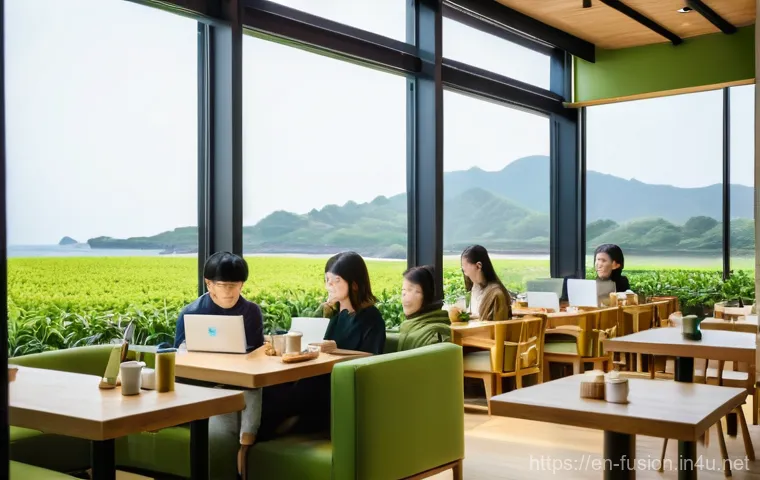
You know, it’s truly incredible to witness how these massive fast-food chains, often seen as symbols of global uniformity, are actually becoming vibrant canvases for local culinary artistry. It’s not just about slapping a regional ingredient on a burger; it’s a deep dive into cultural taste profiles, understanding what makes a local community tick, and then translating that into something utterly delicious and undeniably “fast food.” I’ve personally seen menus transform from generic offerings to a kaleidoscope of localized delights, and honestly, it’s one of the most exciting developments in the food industry. This isn’t just a marketing gimmick; it’s a testament to how adaptable and innovative these brands can be when they genuinely listen to their customers. From spicy sauces that pack a punch to ingredients that are staples in homes, these adaptations show a respect for local traditions that goes beyond mere branding. It really feels like they’re saying, “We’re here, we get you, and we’re going to make something you’ll truly love, using flavors you grew up with.”
Beyond the Standard Burger: Regional Ingredient Deep Dives
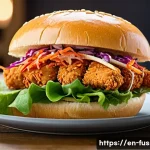
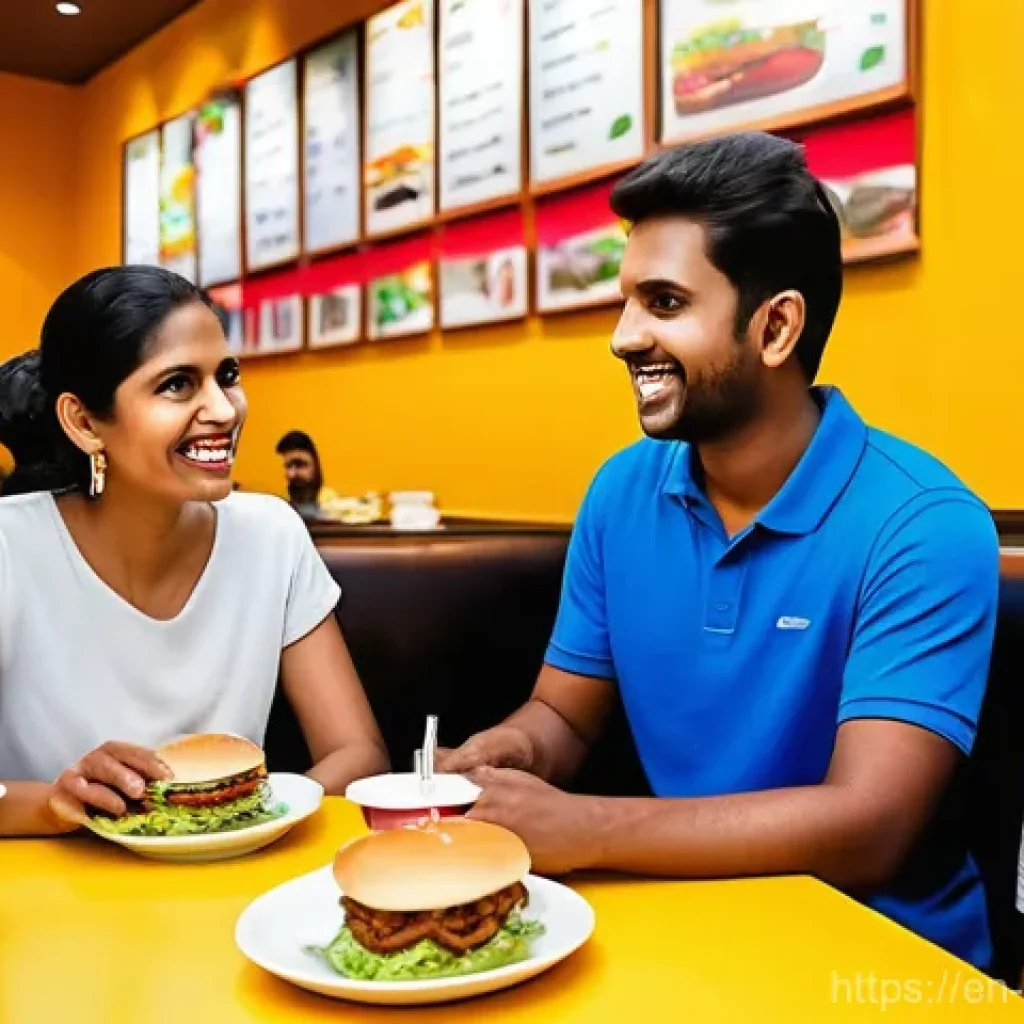
One of the most fascinating aspects of this trend is the way chains meticulously select ingredients that resonate deeply with local communities. Think about McDonald’s in India, for example. The Big Mac isn’t just about beef; it’s about the McAloo Tikki, a spiced potato patty that’s a beloved street food staple, or the McSpicy Paneer, incorporating a cottage cheese common in Indian cuisine. These aren’t just substitutions; they’re celebrations of local agriculture and culinary history. Or consider KFC in Japan, where their Christmas fried chicken tradition is practically legendary, offering special festive buckets that have become a cultural phenomenon, a far cry from a simple family meal. What I’ve noticed is that it takes a real understanding of the local supply chain and consumer preferences to pull this off successfully. It’s not just a trend; it’s smart business, showing that fast food can be both quick and culturally relevant. It’s a delicate balance, but when done right, it creates a loyal customer base that feels truly understood.
Spice and Everything Nice: Mastering Local Heat Levels
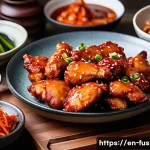
If there’s one thing that unites many cultures, it’s a love for a good kick of spice, and fast-food giants are learning to wield that heat with impressive finesse. I’ve often found myself surprised by the varying spice levels offered across different regions. In Southeast Asia, for instance, you’ll find fried chicken with chili glazes that would make your eyes water, tailored to a palate that genuinely enjoys intense heat. Contrast that with offerings in some European countries, where “spicy” might mean a much milder, more aromatic blend. It’s not a one-size-fits-all approach; it’s about understanding the specific types of chili, the preferred level of pungency, and how it integrates with the core product. For me, trying a genuinely fiery burger in a busy market in Bangkok was an eye-opener – it tasted authentic, not like a watered-down version. This adaptation really drives home the point that they’re not just superficially adapting, but truly diving into the nuances of local taste. It’s a journey for your taste buds, curated by global brands with local expertise.
The Art of Culinary Crossroads: Fusion Done Right
It’s truly a marvel to watch fast-food brands take two seemingly disparate culinary traditions and meld them into something absolutely brilliant. This isn’t just about adding a local sauce; it’s about creating entirely new dishes that respect both the brand’s identity and the local palate. Think about Taco Bell’s ongoing experiments in different markets. While we have our beloved Doritos Locos Tacos here, other countries might see inventive quesadillas filled with unique, regionally specific ingredients that you wouldn’t find anywhere else. I once tried a pizza that incorporated a local cheese I’d never heard of before, and it was a revelation – perfectly blending Italian tradition with a regional dairy delight. This kind of thoughtful fusion isn’t easy; it requires a chef’s touch and a deep understanding of flavor profiles. It speaks volumes about the creative minds behind these menus, constantly pushing the boundaries of what fast food can be. For me, these are the moments when fast food transcends its quick-bite reputation and truly becomes an experience. It keeps things exciting and makes you want to revisit again and again just to see what new culinary adventure awaits.
Breakfast Bonanza: Localized Morning Menus
Breakfast is an intensely personal meal, often rooted deeply in cultural traditions, and fast-food chains have really leaned into this with some fantastic localized morning menus. Forget the standard egg and bacon muffin for a moment. In some regions, McDonald’s offers congee, a savory rice porridge, or even specific types of breakfast burritos with local fillings that are perfect for a grab-and-go morning. I’ve often found myself enjoying these unique breakfast options when traveling, realizing how much they cater to the specific rhythms and preferences of the local population. It’s more than just providing food; it’s acknowledging and becoming a part of the morning ritual. This strategic move not only expands their customer base but also cements their place in the daily lives of people. It shows a genuine commitment to becoming part of the local fabric, rather than just an outside entity. What I admire most is how they manage to maintain speed and efficiency even with these more complex, culturally specific offerings.
Seasonal Sensations: Tapping into Local Harvests and Festivals
One of the smartest ways fast-food brands connect with local communities is by embracing seasonal ingredients and cultural festivals. This is where their menus really come alive, mirroring the rhythms of the year. During certain festivals, you might see special limited-time offerings that incorporate ingredients traditionally associated with that celebration. For example, during a specific harvest season, a chain might introduce a dish featuring a local fruit or vegetable that’s at its peak. I’ve been lucky enough to try some of these limited-edition items, and they always feel incredibly special, a true celebration of the moment. It makes dining at a fast-food joint feel less routine and more like participating in a community event. It also encourages repeat visits, as consumers eagerly anticipate what unique seasonal treat will be next. It’s a brilliant strategy that not only boosts sales but also deeply embeds the brand into the local cultural calendar, creating a sense of shared experience.
Beyond the Plate: Cultural Sensitivity in Marketing and Experience
It’s not just about what’s on the menu; it’s also about how these fast-food brands present themselves, how they speak to their audience, and how they shape the entire dining experience. This cultural sensitivity extends far beyond food, touching everything from advertising campaigns to restaurant décor and even the uniforms worn by staff. I’ve noticed how some chains subtly adjust their branding imagery to reflect local aesthetics, incorporating colors, patterns, and even architectural styles that feel familiar and welcoming to the community. It’s a testament to their understanding that a global brand needs to feel local to truly thrive. For instance, in some parts of the world, McDonald’s golden arches might be paired with a more muted, traditional color palette, or the interior design might feature local artwork. This level of detail shows a profound respect for cultural norms and preferences. It’s about creating an atmosphere where customers feel not just served, but truly at home, making their visit a more pleasant and memorable one.
Packaging with a Purpose: Localized Messaging
Even the packaging gets a thoughtful makeover! It’s not just about branding; it’s about communicating effectively and respectfully with local consumers. I’ve seen packaging that incorporates local languages, traditional motifs, or even messages that celebrate local holidays or sporting events. This seemingly small detail can make a huge difference in how a brand is perceived. It tells you they’ve gone the extra mile to connect on a deeper level. Imagine unwrapping a burger and seeing a phrase in your native tongue, or a design that evokes a sense of local pride – it really makes you feel seen and valued. This kind of attention to detail creates a much stronger bond between the customer and the brand. It shows a commitment to authenticity that goes beyond just the food. It’s a smart way to build loyalty and trust, demonstrating that they are truly part of the community, not just a foreign entity dropping in.
Community Engagement: Becoming a Local Fixture
What truly impresses me is when these global giants become genuine pillars of the local community. It’s not enough to just open a store; it’s about participating, contributing, and being a good neighbor. I’ve witnessed fast-food outlets sponsoring local sports teams, hosting community events, or even partnering with local charities. These initiatives go a long way in building goodwill and establishing a truly local presence. It makes the brand feel like less of a corporation and more like a friend, someone who cares about the well-being of the area. This kind of authentic community engagement creates a positive feedback loop, where local support for the brand grows organically. It transforms a simple transaction into a relationship, fostering a sense of shared values and mutual benefit. It’s a powerful way to ensure longevity and relevance in an increasingly competitive market, proving that genuine connection always triumphs.
| Fast Food Chain | Region Example | Localized Menu Item | Key Local Element |
|---|---|---|---|
| McDonald’s | India | McAloo Tikki Burger | Spiced potato patty (Indian street food) |
| KFC | Japan | Christmas Party Barrel | Christmas tradition (Festive packaging & chicken) |
| Pizza Hut | China | Durian Pizza | Durian fruit (popular in Southeast Asia) |
| Burger King | Germany | Biergarten Burger | Pretzel bun & local cheese (Bavarian influence) |
| Starbucks | South Korea | Jeju Green Tea Latte | Jeju Island’s famous green tea |
Navigating the Global Palate: Challenges and Triumphs
It sounds easy enough, right? Just add a local ingredient and call it a day! But trust me, navigating the complexities of local palates on a global scale is anything but simple. There are so many factors at play, from varying dietary restrictions and religious considerations to deeply ingrained taste preferences and ingredient availability. What might be a delicacy in one country could be completely unappealing in another. I’ve seen brands try to introduce a dish that was a smash hit elsewhere, only to fall flat because it didn’t quite hit the mark with the new audience. It requires extensive market research, taste testing, and a willingness to adapt, sometimes even abandoning a concept if it doesn’t resonate. The triumphs, however, are truly spectacular. When a brand nails it, creating a dish that feels both familiar and exciting, it’s a moment of pure culinary magic. It’s a testament to the dedication of their innovation teams who work tirelessly to bridge these cultural gaps, ensuring their offerings are both appealing and respectful. It truly is a high-stakes game of trial and error, but the rewards are immense when they get it right.
Ingredient Sourcing: The Local Supply Chain Advantage
One of the biggest hurdles, yet also a massive opportunity, lies in local ingredient sourcing. It’s not always feasible or sustainable to ship every specialized ingredient across continents. So, chains often look to establish local supply chains, which in itself is a huge undertaking but comes with immense benefits. By working with local farmers and suppliers, they not only ensure freshness and support the local economy, but they also gain a deeper understanding of the regional agricultural landscape. I’ve heard stories from sourcing managers about the intricate dance of finding reliable local partners who can meet stringent quality and quantity demands. This also means adapting recipes slightly based on the nuances of locally grown produce, which can actually lead to even better, more authentic flavors. It’s a win-win situation: fresh ingredients for consumers and economic support for local communities. This approach really shows a long-term commitment to the regions they operate in, making them a more integral part of the local ecosystem.
Maintaining Brand Identity Amidst Diversity
Here’s the million-dollar question: how do these global giants maintain their core brand identity when their menus are so vastly different from one country to another? It’s a delicate balancing act, ensuring that a McDonald’s still feels like McDonald’s, even if you’re eating a burger that’s entirely unique to that region. What I’ve observed is that while the ingredients and flavors might change, the fundamental principles of the brand – speed, consistency, value, and a certain level of comfort – usually remain intact. The branding, the service style, and the overall customer experience often retain a recognizable thread that ties it back to the global parent. It’s like a family of distinct individuals who all share a common, unmistakable heritage. This ability to be both global and local simultaneously is a true art form, allowing them to cater to diverse tastes without losing sight of who they are. It’s why you can walk into a chain anywhere in the world and still feel a familiar sense of its identity, even when enjoying something completely new.
The Future is Flavorful: What’s Next in Fast Food Fusion
So, what does the future hold for this incredible trend of fast-food localization and fusion? My gut tells me we’re only just scratching the surface. As global travel becomes more accessible and palates become more adventurous, the demand for unique, culturally rich fast-food experiences is only going to grow. I anticipate even bolder experimentation, with chains perhaps collaborating with local celebrity chefs or incorporating hyper-local, artisan ingredients that we currently only find in high-end restaurants. Imagine a McDonald’s burger featuring a sauce crafted by a renowned local culinary expert, or a KFC bucket using heritage chicken breeds. The possibilities are truly endless, and that’s what makes this whole space so incredibly exciting! It’s going to be a dynamic landscape, constantly evolving to meet the adventurous spirit of consumers. I’m personally looking forward to seeing how sustainability and ethical sourcing play an even bigger role, influencing not just what’s on the menu, but where it comes from. It’s a delicious journey, and I’m here for every bite of it!
Tech-Driven Personalization: The Next Frontier
Beyond new flavors, I think technology is going to play an increasingly significant role in the future of fast-food localization. Imagine AI-driven insights helping chains understand hyper-local taste preferences in real-time, allowing them to roll out even more precisely tailored limited-time offers. Or perhaps augmented reality menus that let you visualize fusion creations before you order. I’ve always been fascinated by how data can transform industries, and fast food is no exception. This could mean highly personalized recommendations based on your past orders and local trends, making your fast-food experience even more uniquely yours. It’s not just about broad regional adaptations anymore; it could become about neighborhood-specific or even individual-specific menu options. The idea of a fast-food experience that feels like it was designed just for me, based on my preferences and location, is incredibly exciting and something I believe is just around the corner. It’s truly a brave new world of culinary possibilities, powered by innovation.
Sustainability and Ethical Sourcing: A Growing Imperative
As much as we love exciting new flavors, there’s a growing consciousness among consumers about where their food comes from and its impact on the planet. I firmly believe that the next wave of fast-food innovation will heavily feature sustainability and ethical sourcing as key drivers of localization. This means not just using local ingredients, but doing so in a way that supports environmentally friendly practices and fair labor. Imagine chains highlighting the exact farm where their produce or meat comes from, emphasizing reduced carbon footprints or fair trade certifications. I’ve personally started paying more attention to brands that are transparent about their sourcing, and I know many others are too. This isn’t just a trend; it’s a fundamental shift in consumer values. Fast-food companies that can integrate these values into their localized offerings will not only win over discerning customers but also contribute positively to the communities and the planet. It’s about eating well, feeling good, and doing good, all at once. The future of fusion will be as much about ethics as it is about taste.
Wrapping Things Up
And there you have it, folks! What an amazing journey we’ve taken through the fascinating world where global fast-food giants truly embrace local flavors and cultures. It’s so much more than just food; it’s about connection, respect, and a continuous culinary evolution that keeps things incredibly exciting for all of us food lovers. I genuinely hope this dive into the ‘flavor frontier’ has given you a fresh perspective on your next fast-food craving, perhaps even inspiring you to explore those unique local menu items whenever you travel. It truly warms my heart to see these brands go the extra mile to make everyone feel at home, one delicious, localized bite at a time. Here’s to more amazing food adventures ahead!
Useful Insights for Your Next Culinary Adventure
1. Don’t be shy about trying local fast-food specials when you’re traveling. They often offer a genuine taste of the region’s culinary identity that you might miss otherwise. I’ve discovered some of my all-time favorite dishes this way!
2. Keep an eye out for seasonal or festival-themed menu items. These limited-time offerings are often the most creative and culturally rich, providing a unique snapshot of local traditions.
3. Pay attention to how fast-food brands engage with local communities. Their efforts in sponsorship or charity often reflect a deeper commitment than just selling food, showing they truly want to be a part of the local fabric.
4. Remember that “spicy” can mean wildly different things across cultures. What’s mild in one country could be intensely fiery in another, so always be prepared for an unexpected kick!
5. Look beyond the main menu. Sometimes, the most interesting localized adaptations are found in breakfast offerings or dessert menus, showcasing how brands tailor to every part of the day.
Key Takeaways from the Flavor Frontier
What we’ve truly seen today is that the world of fast food is far from homogenous; it’s a dynamic, ever-evolving landscape where global brands are deeply committed to understanding and celebrating local palates. This journey isn’t just about tweaking a recipe; it’s a profound exploration of cultural nuances, ingredient sourcing, and genuine community engagement, all while maintaining a recognizable brand identity. From the sizzling spices of Southeast Asia to the comforting breakfast porridges in various regions, these adaptations prove that food is a universal language, spoken with a local accent. It’s a testament to innovation, respect, and the sheer delight of discovering something new yet familiar. So, next time you step into a global fast-food chain, take a moment to appreciate the incredible thought and effort that goes into making your meal uniquely local and wonderfully delicious. It’s a culinary crossroads where everyone wins.
Frequently Asked Questions (FAQ) 📖
Q: Why are fast-food chains going to all this effort to localize their menus? Isn’t it just easier to offer the same things everywhere?
A: You’d think so, wouldn’t you? But from what I’ve seen and experienced, it’s actually a brilliant strategy for these global giants. First off, it’s all about staying relevant and appealing to local tastes.
Think about it: a Big Mac might be iconic, but in a country where, say, beef isn’t commonly eaten or a particular spice blend is adored, offering something familiar but with a local twist makes all the difference.
McDonald’s, for example, has learned to truly “McDonaldize” traditional cuisines, going to great lengths to tap into local preferences before adapting them.
This isn’t just about being polite; it significantly helps them attract a wider customer base and build stronger brand loyalty by showing respect for cultural traditions.
Plus, it often leads to fascinating innovation! Sometimes these localized experiments, like the McFlurry which started in Canada, even become global hits.
So, while it seems like more work, it’s really about deeper market penetration, enhancing brand image, and creating a positive connection with customers who then feel like the brand truly understands them, rather than just being a foreign entity.
It’s a win-win, really – we get exciting new food, and they get to thrive in diverse markets!
Q: So, what are some of the most interesting or surprising fusion fast-food items you’ve come across, or that are popular right now?
A: Oh, where do I even begin? This is honestly one of my favorite topics because the creativity is just wild! Across Asia, McDonald’s has some truly unique burgers you won’t find anywhere else, like the Samurai Burger with its teriyaki-glazed patty or the McRice burger, which ditches the traditional bun for toasted white rice.
In India, where many people don’t eat beef, McDonald’s offers the McAloo Tikki burger, a spicy potato patty classic, and the McSpicy Paneer, featuring a fried cheese patty with tandoori mayo.
It’s pure genius! And it’s not just burgers. Dunkin’ Donuts in China has dried pork and seaweed donuts, while in Singapore they’ve even had Wasabi cheese donuts!
Pizza Hut gets in on the action too; I’ve heard about their “Birizza” in India, which is a pizza inspired by biryani, complete with masala gravy. In Australia, I’ve seen the rise of Asian-fusion delights like katsu chicken burgers and cheeseburger spring rolls, which sound absolutely wild but are incredibly popular.
Honestly, every time I travel, or even just scroll through my feed, I stumble upon a new concoction that makes me think, “Wow, they really went there!” It’s a constant adventure for our taste buds!
Q: Are these localized fusion items usually genuinely good, or are they just a gimmick to attract attention?
A: That’s the million-dollar question, isn’t it? And from my own culinary adventures and conversations with fellow foodies, I’d say it’s a mix, but overwhelmingly, many of them are genuinely good!
Of course, there’s always the occasional novelty item that might not stick, but the successful ones — the ones that become local staples — are usually crafted with care.
Fast food chains invest a lot into market research before launching these items. They want them to be popular and keep people coming back. My personal take?
When they get it right, these fusion items can be absolutely incredible. The McAloo Tikki in India, for instance, is a perfect example of a localized item that has become an instant classic because it perfectly marries a global brand with beloved local flavors.
It’s not just about throwing a random ingredient on a burger; it’s about understanding cultural palates and dietary habits and then creating something that truly resonates.
The goal isn’t just to grab attention for a week; it’s to become a beloved part of the local menu. And when they hit that sweet spot, you’ll find yourself craving these unique dishes just as much as, or even more than, the original classics.
They really do make you rethink what fast food can be!