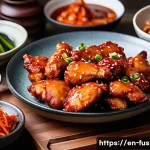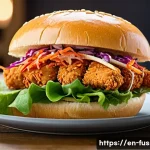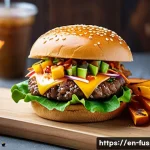
Hey everyone! As someone who absolutely lives for a good takeout meal, especially when it’s a delicious blend of flavors from different cultures, I’ve been noticing something truly exciting brewing in the fast-food world: the incredible evolution of packaging.
It’s not just about getting your meal from point A to B anymore; it’s about an entire experience, from keeping your spicy Korean BBQ tacos perfectly crisp to ensuring your sushi burrito stays beautifully intact without any leaks.
We’re seeing a real shift towards smart, sustainable, and super convenient designs that truly elevate our on-the-go dining, addressing everything from eco-friendliness to keeping our food at just the right temperature.
Honestly, the thought and innovation put into these new containers are just mind-blowing, revolutionizing how we enjoy our favorite fusion bites, making them fresher and more enjoyable than ever before.
Let’s unwrap the future of food delivery and see what’s cooking!
The Eco-Friendly Evolution: Packaging That Gives Back (or at Least Doesn’t Take Away)
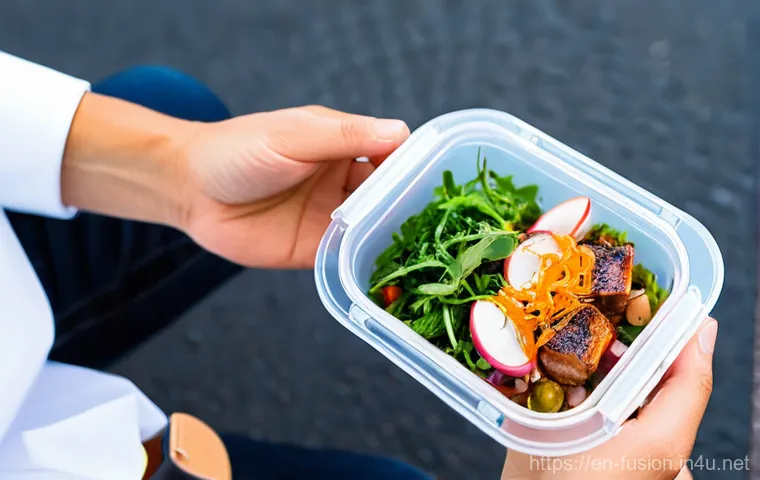
Honestly, when I first started noticing the shift in takeout packaging, my mind immediately jumped to the environmental aspect. It’s hard to ignore the mountain of plastic and styrofoam that used to accumulate after a night of delicious indulgence. But what I’m seeing now, especially with our beloved fusion dishes, is a complete game-changer. Companies are genuinely stepping up, moving beyond just compostable cutlery to embrace innovative materials like bagasse – that’s sugarcane fiber, by the way – and even mushroom-based alternatives. Imagine enjoying your spicy Korean fried chicken and knowing that the container it came in will naturally decompose back into the earth, instead of clogging up a landfill for centuries. It’s not just about feeling good; these materials often perform better too, maintaining food integrity without the dreaded sogginess that used to plague us. From my personal experience, getting a vibrant poke bowl in a sturdy, leak-proof paperboard container that actually holds up to the dressing without becoming a soggy mess is a small but mighty victory. It shows a real commitment to the planet while still ensuring our food arrives in tip-top shape. This focus on sustainability isn’t just a trend; it’s becoming an expectation, and I, for one, am absolutely here for it.
Saying Goodbye to Single-Use Plastic Guilt
For so long, the guilt of ordering takeout was almost as strong as the craving itself, especially when eyeing that pile of plastic. But now, it feels like the industry is truly listening. We’re seeing more restaurants opting for packaging made from recycled content, or even better, entirely plant-based materials. I recently had some incredible Vietnamese-Mexican fusion tacos delivered, and they arrived in this clever container made from recycled cardboard with a plant-based lining. Not only did it keep the tortillas perfectly warm and separate from the fresh toppings, but it also dissolved my eco-anxiety. It’s a win-win: delicious food and a clear conscience. This movement towards truly biodegradable and compostable options isn’t just good for the earth; it’s a huge selling point for conscious consumers like us. When I see that little compostable symbol, it genuinely makes me choose that restaurant over others.
Innovation in Renewable Materials
The ingenuity in renewable materials is frankly astounding. We’re not just talking about basic paper boxes anymore. There are advanced bioplastics derived from corn starch or other plant sources that look and feel just like traditional plastic but break down much faster. I even encountered a delivery of Indian-fusion bowls packed in containers made from bamboo pulp – incredibly durable, sleek, and totally compostable. It really got me thinking about how much thought goes into these choices now. Restaurants are partnering with packaging innovators to find solutions that protect the food, brand their identity, and respect the planet. It’s a holistic approach that elevates the entire takeout experience, making it feel less like a guilty pleasure and more like a responsible indulgence. These aren’t just boxes; they’re statements about a business’s values, and as a consumer, that speaks volumes to me.
Temperature Triumphs: Keeping Your Meals Just Right
Let’s be real, nothing ruins a takeout experience faster than lukewarm food that was meant to be piping hot, or a salad that’s arrived looking like it just stepped out of a sauna. That’s why one of the biggest leaps forward I’ve seen in fusion fast-food packaging is in temperature control. It’s a delicate dance, especially when you’re dealing with dishes that have components needing different temperatures, like a deconstructed sushi burrito with warm rice and cool, crisp veggies. The new insulation technologies are genuinely impressive. We’re talking about multi-layered containers, often with clever venting systems, that prevent condensation build-up while locking in heat or cold. I remember a time when ordering a loaded kimchi fried rice meant it would arrive as a steamy, slightly mushy disappointment. Now, with these insulated pouches and compartmentalized trays, it’s like the kitchen is just around the corner. My last order of bulgogi quesadillas arrived perfectly warm, with the cheese still gooey and the tortillas soft, not dried out. It’s clear that brands are investing heavily in ensuring the food quality isn’t compromised during transit, understanding that the journey from kitchen to couch is crucial for customer satisfaction and repeat business.
Ingenious Insulation for Optimal Freshness
The days of relying solely on flimsy aluminum foil are thankfully behind us. Modern packaging employs a variety of smart insulation techniques. Think about those double-walled containers or those thermal bags that often come with higher-end deliveries. These aren’t just for show; they’re engineered to maintain specific temperatures for extended periods. For someone like me who loves a good spicy ramen burger, getting it with the patty still juicy and warm, and the bun still structurally sound, is a revelation. I’ve even seen innovative designs with separate compartments that allow for components to be kept at their ideal temperatures until just before eating. This kind of attention to detail not only preserves the taste but also the texture and overall integrity of the meal, making a huge difference to the perceived quality of the food. It’s like having a mini-fridge and a mini-oven right there in the delivery bag.
Preventing the Dreaded Soggy Factor
Ah, the nemesis of all takeout: sogginess. It’s especially challenging with fusion dishes that often combine crispy elements with saucy ones. New packaging designs are directly tackling this with smart ventilation and material choices. I’ve noticed containers with small, strategically placed vents to release steam without letting too much heat escape, which is perfect for keeping things like crispy chicken wings or spring rolls from turning into a sad, damp mess. And let’s not forget the importance of moisture-resistant coatings on the inside of the packaging, which prevent sauces from seeping through and weakening the structure of the container itself. My go-to Vietnamese bánh mì, when delivered, now comes in a specially designed box that keeps the bread crusty and the fillings fresh without turning it into a soggy submarine. It’s a testament to how packaging engineers are truly understanding the unique challenges of different cuisines and designing solutions that make our food taste as good at home as it does in the restaurant.
Design That Delights: When Packaging Becomes Part of the Meal
It might sound a little over the top, but for me, great packaging isn’t just about functionality; it’s part of the whole culinary adventure. When I get a delivery, that moment of unboxing is almost as exciting as the first bite. And frankly, the fusion food scene has truly embraced this. We’re seeing packaging that’s not only practical but also visually stunning, reflecting the vibrant, eclectic nature of the food inside. Think about those beautifully designed boxes that house a sushi burrito, or the artfully branded containers for gourmet Korean BBQ sliders. It’s an extension of the restaurant’s identity and a crucial part of the customer experience. The attention to detail, from custom graphics and logos to unique shapes and easy-to-open mechanisms, makes you feel like you’re receiving something special. I remember ordering from a new Hawaiian-Mexican fusion spot, and the packaging for their elaborate shrimp tacos was like a work of art – vibrant colors, sturdy construction, and a clever insert that kept everything perfectly separated. It definitely made the meal feel more premium, and honestly, a little bit Instagram-worthy! This focus on aesthetic appeal really elevates the perceived value of the food and builds brand loyalty.
Unboxing Joy: The Aesthetic Appeal of Modern Packaging
There’s a definite “unboxing” trend, even for takeout, and restaurants are definitely leaning into it. Beautifully designed packaging transforms the simple act of opening your meal into a small, delightful ritual. It’s not just about getting the food from point A to point B; it’s about making that journey enjoyable and memorable. I’ve seen some incredible examples, like sleek, matte-finish boxes for gourmet ramen kits or minimalist, elegant containers for Japanese-Peruvian ceviche. These designs often incorporate thoughtful details, like easy-tear strips, integrated handles, or even little messages printed on the inside. It’s these small touches that create a sense of anticipation and excitement, making the meal feel less like a quick fix and more like a carefully curated experience. When a package looks good, it subconsciously tells you that the food inside is probably just as high quality, creating a positive impression even before you’ve taken a bite.
Branding Brilliance: Packaging as a Marketing Tool
Beyond just looking good, modern food packaging is a powerful branding tool. Each container, bag, or box is a mini-billboard for the restaurant. For fusion spots, where the brand story often revolves around creativity and unique flavors, the packaging becomes an essential part of telling that story. I recently ordered from a popular Filipino-Mexican spot, and their brightly colored, distinctively branded containers were immediately recognizable. It’s more than just a logo; it’s the whole vibe, the choice of fonts, the color palette, the feel of the material. This consistent branding across all touchpoints, especially the physical packaging that customers interact with directly, helps to build recognition and reinforce the restaurant’s identity. It creates a cohesive experience from their online presence to the actual meal in your hands. This kind of thoughtful design not only attracts new customers but also solidifies the connection with regulars, making them feel part of the brand’s unique world.
The Ultimate Convenience: On-the-Go Eating, Reimagined
Let’s be honest, one of the main reasons we grab fast food, especially fusion fast food, is for the sheer convenience of it. We’re often on the move, juggling work, errands, or just want a quick, delicious bite without a fuss. And the evolution of packaging has truly embraced this need for effortless consumption. We’re talking about designs that are genuinely intuitive, making it easier to eat your meal anywhere – in your car, at your desk, or while strolling through a park. I’ve noticed a surge in “one-hand eating” friendly containers, which are absolutely genius for things like loaded fries or deconstructed bowls. Think about a container for a Korean BBQ burrito bowl that has a sturdy, easy-to-hold base and a lid that doubles as a small tray for extra toppings. It’s not just about getting the food to you; it’s about making the act of eating it as seamless and mess-free as possible, regardless of your location. This focus on user experience is a huge win for anyone living a busy lifestyle, transforming takeout from a sit-down affair to a truly flexible dining option.
Ergonomics and Portability for the Modern Diner
Modern packaging engineers are like unsung heroes of our busy lives, designing containers that just *work*. I’ve seen incredible advancements in ergonomics and portability. For instance, many coffee cups now feature redesigned lids that are less prone to spills, but this extends to food too. Consider the innovative holders for multiple tacos that keep them upright and distinct, or the cleverly designed trays for ramen bowls that include a separate compartment for broth so you can assemble it fresh on arrival. These aren’t just aesthetic choices; they’re practical solutions that prevent messes and make eating on the go genuinely enjoyable. I once had a Vietnamese noodle salad delivered in a container where all the elements were perfectly separated, and the dressing had its own leak-proof mini-cup – it made mixing and eating so easy, even when I was rushing through my lunch break. This level of thoughtful design is what makes a huge difference in my daily life.
Integrated Features for a Seamless Experience
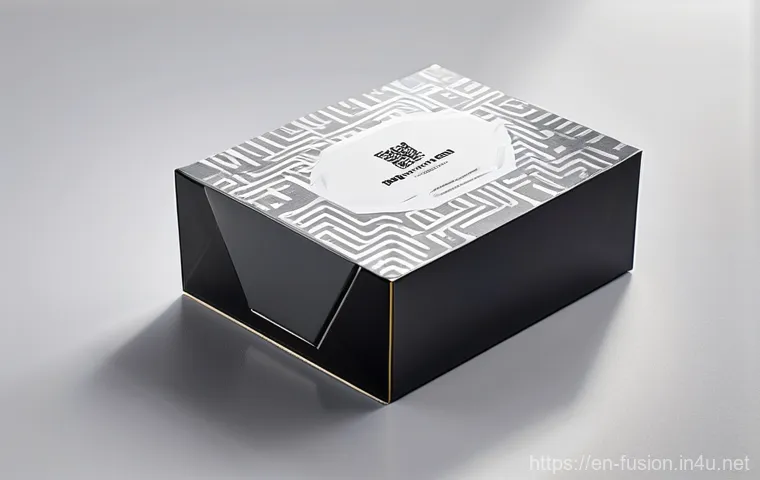
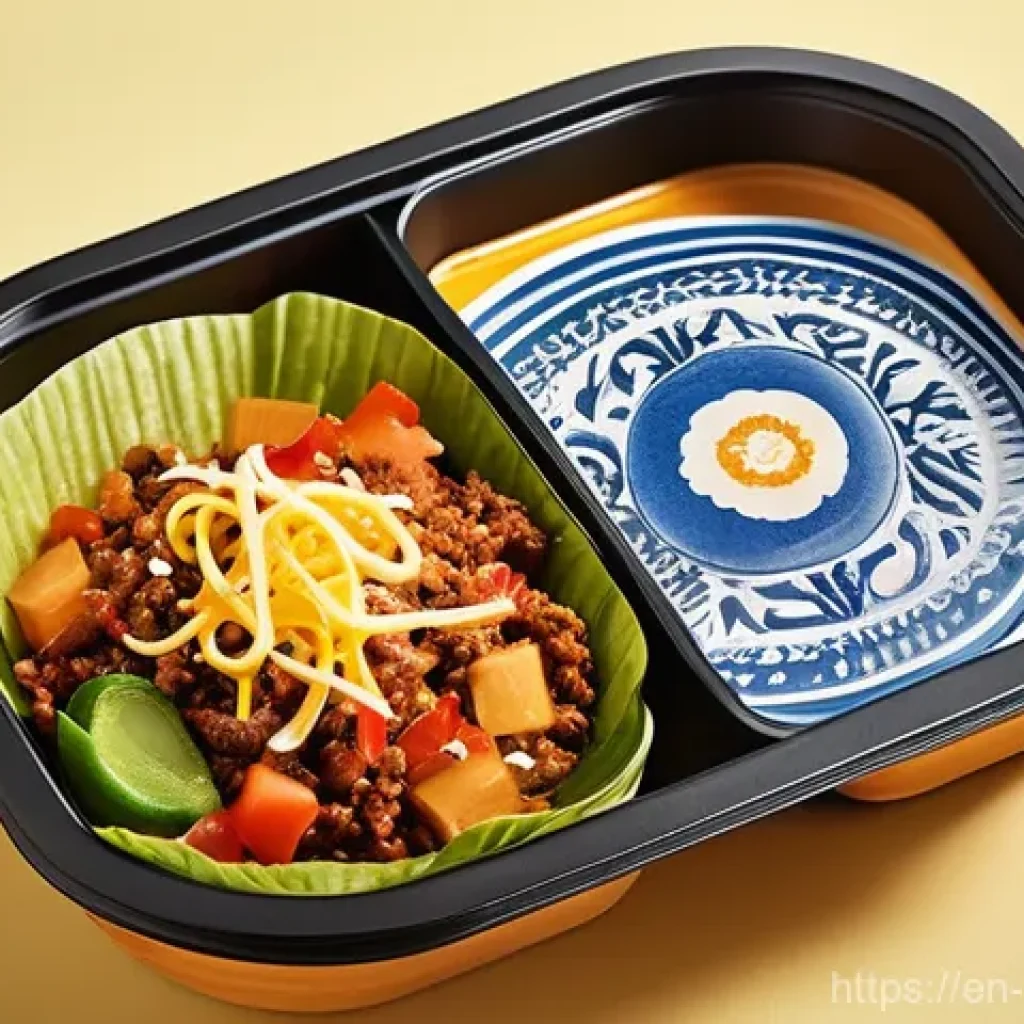
The best packaging today often includes integrated features that you didn’t even know you needed until you have them. Think about containers with built-in dividers to keep different food components separate, like a juicy bulgogi patty from its crisp lettuce and sauce, ensuring nothing gets soggy. Or how about lids that have a dedicated slot for cutlery, or even small, detachable sauce cups? I’ve seen some brilliant designs for fusion bowls that come with a neatly tucked-away spoon-fork hybrid. These small additions drastically improve the overall experience. They eliminate the need for extra bags or fumbling around for utensils, making the entire process feel more polished and convenient. It’s these subtle yet impactful innovations that showcase how much thought is being put into enhancing every aspect of the takeout journey, from order to final bite.
Smart Solutions: How Tech is Elevating Your Takeout Experience
Believe it or not, technology isn’t just in our phones and cars; it’s quietly revolutionizing our takeout packaging too! We’re moving beyond simple boxes to “smart” packaging that can actually enhance the food experience. While still relatively niche for everyday fast food, the innovations here are truly exciting and hint at what’s to come for our beloved fusion dishes. Imagine packaging with QR codes that, when scanned, not only give you nutritional information or heating instructions but also tell you the story behind the ingredients or offer a discount on your next order. Or, even more cutting-edge, containers that use special materials to extend shelf life without compromising taste or freshness. I’ve even heard whispers of packaging that can subtly signal if the food has been tampered with, offering an extra layer of security and peace of mind. While these might not be in every delivery bag just yet, the investment in these technologies shows a clear commitment to leveraging innovation for a superior customer experience, especially as the demand for unique, high-quality delivered meals continues to soar. It’s truly fascinating to think about how these subtle tech integrations are making our food safer, tastier, and more engaging.
QR Codes and Interactive Elements
One of the more accessible “smart” features I’m seeing pop up is the integration of QR codes directly onto packaging. It’s a fantastic way for restaurants, especially those serving creative fusion dishes, to connect with their customers beyond just the meal itself. Scan a code on your Korean fried chicken burger wrapper, and you might get a link to their secret menu, a loyalty program sign-up, or even a video showing how they source their ingredients. I recently ordered some Thai-Mexican fusion quesadillas, and the QR code on the box led me to a digital recipe for a similar dish, which was a really cool and unexpected bonus. It’s a low-cost, high-impact way to add value, engage customers, and build a stronger brand relationship. This interactive element makes the packaging a gateway to more than just food; it becomes a part of the overall brand experience, fostering a deeper connection with the customer.
Freshness Indicators and Tamper-Evident Seals
While not yet commonplace in every fast-food order, the advancements in freshness indicators and tamper-evident seals are a significant step towards ensuring food safety and quality, particularly crucial for delicate fusion ingredients. Imagine a small indicator on your sushi burrito packaging that changes color if the temperature has exceeded a safe threshold, or a seal that visibly breaks if the container has been opened before it reached you. This kind of packaging gives me, as a consumer, immense peace of mind. It’s about building trust in the delivery process and ensuring that the food I’m about to enjoy is exactly as fresh and pristine as it was when it left the kitchen. These subtle technological additions are a testament to the industry’s commitment to not just convenience, but also the health and safety of their patrons. It’s an investment in consumer confidence that I truly appreciate.
A Taste of Tomorrow: What’s Next for Fusion Food Packaging
Looking ahead, the future of fusion fast-food packaging seems even more exciting than what we’ve seen so far. It’s a constantly evolving landscape, driven by consumer demand for sustainability, convenience, and an increasingly personalized experience. I anticipate a future where packaging isn’t just a container but an integral part of the meal preparation and consumption process. We might see even more sophisticated temperature control systems, perhaps even self-heating or self-cooling elements built right into the packaging for those long delivery routes or remote dining experiences. The drive towards zero-waste will likely push us towards more innovative reusable options, perhaps through deposit schemes or standardized, returnable containers, especially for those loyal to their favorite fusion spots. My gut feeling tells me we’ll also see packaging that’s even more attuned to specific dietary needs or allergens, with clear, intuitive labeling or smart features that offer instant information. The sky’s the limit when it comes to combining culinary creativity with packaging ingenuity, and as someone who loves to explore new flavors and convenient dining, I’m absolutely thrilled to see what ingenious solutions come next for our fantastic fusion meals. It’s truly an exciting time to be a food lover!
The Rise of Reusable and Circular Systems
One of the most promising avenues for the future is the expansion of reusable packaging systems. Imagine ordering your favorite bulgogi bowl or Korean corn dog, and it arrives in a beautifully designed, durable container that you can easily return or have picked up, much like a modern milk bottle delivery service. Several pilot programs are already popping up in major cities, tackling the logistics of cleaning and redistribution. For me, this would be a game-changer – enjoying my fusion feasts without any waste. It feels like a natural progression for a society that’s becoming increasingly eco-conscious. These systems not only reduce waste but also elevate the perceived value of the meal, making it feel more like a premium dining experience. It’s a challenge, yes, but the benefits for the planet and for brand loyalty are immense.
Personalized Packaging Experiences
The ultimate frontier, in my opinion, lies in personalized packaging. While it sounds futuristic, imagine packaging that automatically adjusts to your dietary preferences or even your mood! More realistically, it could mean containers that offer personalized reheating instructions based on your specific order components, or even packaging that changes its design based on the time of day or special promotions. For instance, a customizable sticker with your name, or a QR code that unlocks a special playlist curated for your specific fusion dish. These small, thoughtful touches can transform a standard takeout meal into a truly unique and memorable event. As data analytics and AI become even more sophisticated, I believe we’ll see packaging becoming an extension of the personalized customer journey, making every fusion meal feel tailor-made just for you.
| Feature | Traditional Fast Food Packaging | Modern Fusion Fast Food Packaging |
|---|---|---|
| Material Focus | Styrofoam, basic plastic, unlined paperboard | Compostable bioplastics, bagasse, bamboo, recycled content, advanced paperboard |
| Temperature Control | Limited, prone to heat loss/gain, condensation issues | Multi-layered insulation, vented designs, separate compartments for hot/cold |
| Design & Aesthetics | Generic, utilitarian, minimal branding | Custom branding, vibrant graphics, ergonomic shapes, premium feel |
| Convenience | Basic containment, often messy for on-the-go | One-hand friendly, integrated cutlery slots, spill-proof lids, easy assembly |
| Sustainability | High waste volume, non-recyclable/non-compostable | Biodegradable, compostable, recyclable, reusable initiatives, reduced carbon footprint |
| Smart Features | None | QR codes for info/engagement, freshness indicators, tamper-evident seals |
Wrapping Up
Wow, what a flavorful journey we’ve taken through the incredible evolution of fusion fast-food packaging! It’s truly amazing to see how much thought and innovation are now packed into every single delivery. From ditching the old plastic guilt to embracing smart tech and stunning designs, it’s clear that the industry isn’t just serving up delicious meals, but also a fantastic, responsible experience from start to finish. I’ve personally felt the difference these innovations make, turning a simple takeout night into something truly special. It’s thrilling to think about what else is coming, and I’m genuinely excited for the future of our favorite fusion dishes – getting brighter, tastier, and more sustainable by the day!
Useful Tips You Should Know
1. Always keep an eye out for compostable or recyclable symbols on your takeout containers. Choosing restaurants that prioritize these options is a small but mighty step towards a greener planet.
2. Don’t hesitate to give feedback to your favorite eateries about their packaging. Your voice as a conscious consumer can truly encourage more eco-friendly and innovative choices!
3. Give those sturdy, well-designed takeout containers a second life! After a good wash, they’re perfect for organizing small items, storing leftovers, or even packing a lunch for the next day.
4. Make it a habit to scan any QR codes you find on your packaging. They often hide cool surprises like discounts, loyalty program sign-ups, or fascinating insights into your food’s journey.
5. For the ultimate dining experience, try to enjoy your takeout as soon as it arrives. Even the most advanced packaging has its limits when it comes to maintaining peak freshness and temperature!
Key Takeaways
Ultimately, the ongoing evolution of fusion fast-food packaging is a powerful testament to innovation, a deep commitment to sustainability, and a clever way to enhance our entire dining experience. It’s all about keeping our adventurous meals delicious, supremely convenient, and visually appealing, ensuring that every single bite is as good as the very first, and that our planet benefits along the way.
Frequently Asked Questions (FAQ) 📖
Q: What kind of cool new tech or materials are making our fusion takeout so much better these days?
A: Oh, this is one of my favorite topics! As someone who practically lives for a good takeout night, I’ve personally seen a massive leap in how our food travels from the kitchen to our couch.
It’s not just basic styrofoam anymore, thank goodness. We’re seeing some truly genius innovations that make a huge difference. Think about those amazing double-walled containers that keep your Korean BBQ tacos perfectly warm and your crunchy slaw still, well, crunchy!
I remember a time when everything just got soggy, and it was such a letdown. Now, clever designers are using insulated liners, often made from recycled paper fibers or plant-based materials, which are fantastic for temperature control.
Then there’s the magic of compartmentalization – those brilliant little dividers that keep your spicy mayo separate from your sushi burrito, or your crispy fries from getting steamed by your burger.
And can we talk about leak-proof seals? They’ve come a long way. No more sauce disasters in the car!
I’ve even seen some containers with smart venting systems for dishes that need to breathe a little, like steamed dumplings, preventing them from turning into a soggy mess.
It’s all about enhancing the experience, from the moment you pick up your order to that first glorious bite.
Q: We hear a lot about “sustainability” in packaging. How are these new takeout containers actually helping the planet, and is it really making a difference?
A: That’s such an important question, and it’s something I’m super passionate about. For a long time, takeout meant a mountain of plastic waste, and honestly, it used to bug me every single time I finished a meal.
But lately, I’ve noticed a real, tangible shift, and it’s genuinely encouraging. Many of the forward-thinking restaurants and packaging companies are moving towards plant-based plastics, like PLA, which are often compostable.
I’ve personally tried tossing some in my backyard compost bin, and while it takes a bit, it’s miles better than landfill! We’re also seeing a lot more use of recycled content – think sturdy containers made from recycled PET plastic or paperboard.
Bagasse, a byproduct of sugarcane, is another incredible material showing up everywhere; it’s naturally compostable and super durable for hot foods. What really excites me is how designers are also focusing on reducing the sheer amount of material used, or making containers easily stackable for efficient transport, which cuts down on carbon emissions.
It’s not just lip service anymore; the industry is genuinely innovating to give us better, greener options, making me feel a lot less guilty about my weekly fusion feast.
Q: With all these awesome fusion dishes, like a kimchi quesadilla or a sriracha burger, what are the biggest challenges packaging designers face to make sure our food arrives perfectly, and how are they solving them?
A: Oh, fusion food is a packaging designer’s ultimate test, isn’t it? As someone who’s savored countless culinary mash-ups, I’ve definitely experienced the good, the bad, and the soggy when it comes to delivery.
The biggest challenge, in my opinion, is managing contrasting textures and temperatures within a single meal. Imagine a delicious kimchi quesadilla – you need the tortilla to stay slightly crisp, the cheese gooey, and the kimchi flavorful, all while traveling.
Or a sriracha burger with fresh toppings and a warm patty. Getting that balance right is tough! Designers are tackling this with incredibly smart, often multi-part containers.
For dishes that need to stay crispy, they’ll use containers with subtle ventilation holes or even special moisture-absorbing liners to prevent steam buildup.
For those with hot and cold components, they’re using compartmentalized designs that physically separate items, sometimes even with insulated sections for each.
The goal is to keep that delicate balance – preventing the hot from wilting the cold, or the wet from making the dry soggy. I’ve seen some ingenious designs where sauces are packed in separate, tiny, leak-proof pods that you add yourself, ensuring everything stays pristine until the very last moment.
It’s all about anticipating how each element of a complex dish will react on its journey, and designing around it.