The culinary landscape is constantly evolving, and one of the most fascinating trends is the rise of fusion fast food incorporating alternative meats.
I’ve noticed a growing buzz around these innovative creations, from plant-based tacos with Korean BBQ flavors to vegan burgers inspired by classic Italian recipes.
It seems like every day there’s a new, exciting option popping up, pushing the boundaries of what fast food can be. I was particularly intrigued by a recent article discussing the projected growth of the alternative meat market in the next decade, with fusion cuisine predicted to be a major driver.
The curiosity has definitely gotten the better of me, leading me to dig deeper into this topic. So, Let’s explore this trend in detail in the article below.
Reimagining Comfort Food: Plant-Based Twists on Classics
Elevating the Humble Burger: From Beef to Beyond
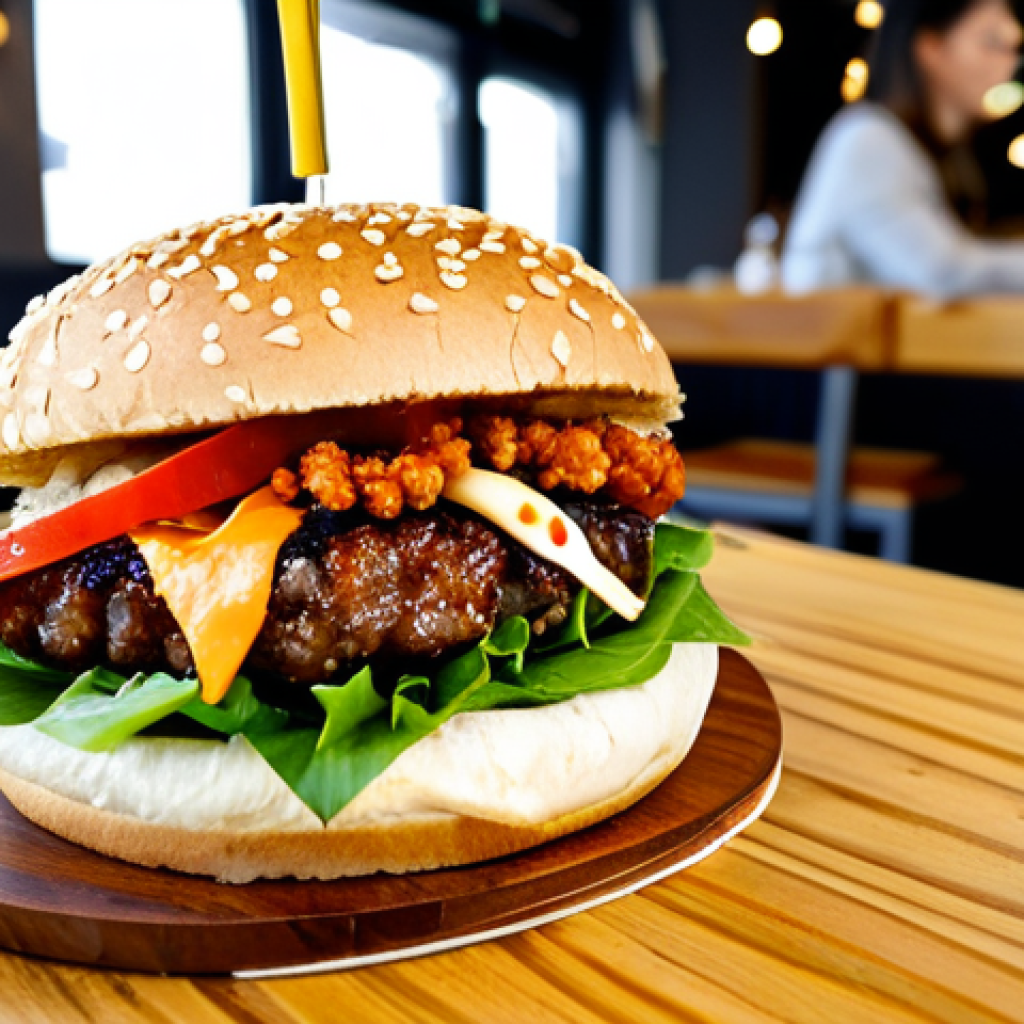
I remember the first time I tried a plant-based burger; I was skeptical, to say the least. I’m a huge burger fan, and the idea of something “not beef” satisfying my craving seemed unlikely. But wow, was I wrong! Restaurants are now offering incredible alternatives that go way beyond the typical veggie burger. We’re talking juicy patties made from pea protein, mushrooms, or even jackfruit, seasoned to perfection and topped with creative combinations like caramelized onions, truffle aioli, and even plant-based bacon. My favorite local spot does a “Korean BBQ Beyond Burger” with kimchi slaw and gochujang mayo – seriously, it’s a game-changer! The texture is often surprisingly similar to real beef, and the flavor profiles are so diverse that there’s something for everyone.
Tacos Get a Veggie Upgrade: Global Flavors Take Center Stage
Tacos have always been a quick and easy meal, but the fusion of alternative meats and international flavors is taking them to a whole new level. I’ve seen everything from lentil-based “chorizo” tacos with a spicy chipotle sauce to pulled jackfruit tacos marinated in Jamaican jerk seasoning. The possibilities are endless! What’s great is that these plant-based options often come with unique toppings that complement the alternative meat, such as pickled vegetables, exotic fruit salsas, and creamy cashew-based sauces. It’s a vibrant and delicious way to explore different cuisines while sticking to a plant-based diet. Last week, I tried a taco truck that served amazing tempura avocado tacos that added to the experience.
Spice Route Revolution: Ethnic Cuisine Embraces Meatless Options
Vegan Pho? Absolutely! Rethinking Traditional Soups
Traditional ethnic dishes, renowned for their rich broths and slow-cooked meats, are now being reimagined with plant-based ingredients. One of the most exciting examples is vegan pho. I never thought I’d see the day when I could enjoy a steaming bowl of pho without the beef broth, but it’s happening! Restaurants are using vegetable broths infused with aromatic spices like star anise, cinnamon, and cloves to create a flavorful base. Tofu, mushrooms, and even thinly sliced seitan stand in for the meat, providing a satisfying and protein-packed meal. A local Vietnamese restaurant makes an incredible version with smoked tofu and enoki mushrooms, and the broth is so complex and flavorful that you wouldn’t even know it’s vegan.
Meatless Mapo Tofu: A Sichuan Staple Reborn
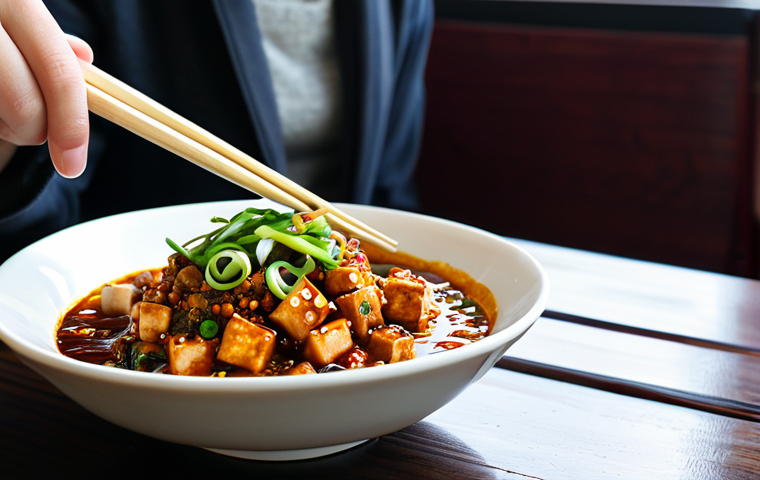
Another dish that’s getting a plant-based makeover is Mapo Tofu, the classic Sichuan dish known for its spicy and savory flavors. Traditionally made with ground pork, restaurants are now using alternative meats like crumbled tempeh or textured vegetable protein to create a similar texture and flavor. The key to a good Mapo Tofu is the sauce, which is made with fermented black beans, chili bean paste, and Sichuan peppercorns. These ingredients provide a deep, umami flavor and a tingling sensation that’s characteristic of Sichuan cuisine. I recently tried a vegan Mapo Tofu at a Chinese restaurant in Chinatown, and I was blown away by how authentic it tasted. It’s amazing to see how chefs are adapting traditional recipes to accommodate plant-based diets without sacrificing flavor.
Sweet Endings: Vegan Desserts That Don’t Compromise on Taste
Beyond Chocolate: Creative Vegan Dessert Options
Let’s be honest, vegan desserts used to have a bad reputation. Dry cakes, bland cookies – the options were often disappointing. But thankfully, those days are long gone! Vegan desserts have come a long way, with chefs using innovative ingredients and techniques to create treats that are just as decadent and satisfying as their non-vegan counterparts. I’m seeing everything from creamy coconut-based ice cream to rich chocolate avocado mousse and surprisingly, I actually enjoy the avocado mousse over the traditional. The key is using high-quality ingredients and focusing on texture and flavor.
Guilt-Free Indulgence: Healthier Sweet Treats
One of the benefits of vegan desserts is that they often contain healthier ingredients than traditional desserts. Many vegan recipes use natural sweeteners like maple syrup or agave nectar, and they often incorporate fruits, nuts, and seeds. This means you can indulge in a sweet treat without feeling too guilty. I recently discovered a bakery that makes vegan donuts with sweet potato and cinnamon and topped with different toppings, and they’re surprisingly satisfying. They’re not only delicious but also packed with nutrients and fiber. It’s a win-win situation!
Navigating the Menu: Tips for Ordering Fusion Fast Food
Decode the Lingo: Understanding Alternative Meat Options
With so many alternative meat options available, it can be confusing to know what you’re ordering. Here’s a quick guide to some of the most common ingredients:
- Beyond Meat: Made from pea protein, this is one of the most popular alternative meat options. It has a texture and flavor that’s similar to beef, making it a great choice for burgers and tacos.
- Impossible Foods: Another pea protein-based option, Impossible Burgers are known for their ability to “bleed” like real beef.
- Jackfruit: This tropical fruit has a meaty texture when cooked, making it a popular choice for pulled “pork” dishes.
- Tempeh: Made from fermented soybeans, tempeh has a nutty flavor and a firm texture. It’s often used in stir-fries and sandwiches.
- Seitan: Made from wheat gluten, seitan has a chewy texture and a neutral flavor, making it a versatile ingredient for a variety of dishes.
Customization is Key: Don’t Be Afraid to Ask for Modifications
One of the great things about fusion fast food is that it’s often highly customizable. Don’t be afraid to ask for modifications to your order to suit your dietary needs and preferences. Want to swap out the bun for a lettuce wrap? No problem! Want to add extra veggies or a different sauce? Just ask! Most restaurants are happy to accommodate special requests. This makes it easy to create a meal that’s both delicious and healthy. Last week, I asked for a side of their special sauce, and it really made the dish that much better.
The Health Factor: Is Alternative Meat Always Healthier?
Comparing Nutrition: Real Meat vs. Plant-Based Alternatives
While alternative meats are often marketed as a healthier option, it’s important to compare the nutritional information carefully. Some plant-based meats can be high in sodium, saturated fat, and processed ingredients. It’s always a good idea to read the labels and choose options that are low in these nutrients. Generally, plant-based meats are lower in cholesterol and higher in fiber than real meat. However, it’s important to consider the overall nutritional profile of the meal, including the toppings, sauces, and sides.
Balancing Your Plate: Creating a Well-Rounded Meal
Whether you’re eating real meat or alternative meat, it’s important to create a balanced meal that includes plenty of vegetables, whole grains, and healthy fats. Consider adding a side salad, steamed vegetables, or a whole-grain side dish to your meal. This will help you get the nutrients you need and feel satisfied. Also, watch your portion sizes. Even healthy foods can contribute to weight gain if you eat too much of them.
The Environmental Impact: Sustainable Eating Choices
Reducing Your Carbon Footprint: The Environmental Benefits of Alternative Meat
One of the main reasons people choose alternative meat is to reduce their environmental impact. Raising livestock requires a lot of land, water, and feed, and it contributes to greenhouse gas emissions. Plant-based meats generally have a lower carbon footprint than real meat, making them a more sustainable option. However, it’s important to consider the environmental impact of the ingredients used in plant-based meats. Some ingredients, like soy, can contribute to deforestation if they’re not sustainably sourced.
Sustainable Sourcing: Choosing Eco-Friendly Options
When choosing alternative meat, look for options that are made with sustainably sourced ingredients. This means that the ingredients are grown and harvested in a way that minimizes environmental impact. Look for certifications like the USDA Organic seal or the Non-GMO Project Verified seal. Also, consider supporting companies that are committed to sustainability and transparency. By making informed choices, you can help reduce your environmental footprint and support a more sustainable food system.
Price Point: Is Fusion Fast Food Affordable?
Budget-Friendly Bites: Finding Affordable Options
One of the concerns about fusion fast food is that it can be more expensive than traditional fast food. However, there are ways to find affordable options. Look for restaurants that offer lunch specials or happy hour deals. Also, consider ordering smaller portions or sharing a meal with a friend. Some restaurants offer loyalty programs or discounts for students or seniors. By doing a little research, you can find delicious and affordable fusion fast food options.
Value for Money: Weighing the Cost Against the Benefits
While fusion fast food may be slightly more expensive than traditional fast food, it’s important to consider the value for money. Fusion fast food often uses higher-quality ingredients and offers more unique and flavorful options. It can also be a healthier and more sustainable choice. When you weigh the cost against the benefits, fusion fast food can be a worthwhile investment. You’re not just paying for a meal, you’re paying for an experience.
| Meat Type | Protein Source | Flavor Profile | Common Uses |
|---|---|---|---|
| Beef | Animal Protein | Rich, savory | Burgers, tacos, stews |
| Beyond Meat | Pea Protein | Similar to beef, slightly earthy | Burgers, tacos, sausages |
| Impossible Foods | Soy Leghemoglobin (Heme) | Umami, slightly metallic | Burgers, ground meat dishes |
| Jackfruit | Fruit | Neutral, takes on the flavor of seasonings | Pulled “pork”, tacos, curries |
| Tempeh | Fermented Soybeans | Nutty, slightly bitter | Stir-fries, sandwiches, salads |
| Seitan | Wheat Gluten | Savory, slightly chewy | Stir-fries, sandwiches, roasts |
Wrapping Up
So, there you have it – a tasty tour of the plant-based revolution in the fast-food scene! From surprisingly satisfying burgers to innovative takes on ethnic favorites and guilt-free desserts, it’s clear that plant-based eating is no longer a compromise. It’s an adventure for your taste buds and a step towards a more sustainable and healthy lifestyle. Next time you’re looking for a quick bite, why not explore these creative options? You might just discover your new favorite dish!
Useful Information to Know
1. Local Vegan Hotspots: Check out HappyCow.net for a comprehensive list of vegan and vegetarian restaurants in your area. You might discover hidden gems you never knew existed!
2. Farmers Market Finds: Visit your local farmers market for fresh, seasonal produce to elevate your plant-based cooking. You can often find unique ingredients and support local farmers at the same time.
3. Meal Prep Magic: Dedicate a few hours on the weekend to meal prepping plant-based dishes. This will save you time and money during the week and ensure you always have a healthy and delicious meal on hand.
4. DIY Plant-Based Swaps: Get creative in the kitchen by experimenting with plant-based swaps for your favorite recipes. For example, try using nutritional yeast instead of parmesan cheese or coconut milk instead of cream.
5. Online Resources: Explore online communities and websites dedicated to plant-based cooking and nutrition. You’ll find endless recipes, tips, and support from fellow plant-based eaters.
Key Takeaways
Plant-based fast food is exploding with creative and delicious options. Don’t be afraid to explore and experiment with different ingredients and flavors. Always check the nutritional information and prioritize options that are made with whole, unprocessed ingredients. By making informed choices, you can enjoy a guilt-free and satisfying meal while supporting a more sustainable food system.
Frequently Asked Questions (FAQ) 📖
Q: What exactly does “fusion fast food with alternative meats” even mean? I’m picturing some weird combinations, and I’m not sure if I’m excited or terrified!
A: Think of it like this: your favorite fast food joint getting a serious upgrade. Instead of the usual beef patty, you’ve got plant-based or lab-grown meats that taste surprisingly similar (or even better, in some cases!).
Then, instead of sticking to just burgers and fries, they’re throwing in flavors from all over the world. Imagine a Korean BBQ jackfruit slider, or a taco filled with spicy, plant-based chorizo.
It’s all about unexpected flavor combinations and making fast food more exciting and, often, more sustainable. I recently tried a vegan bánh mì from a local food truck, and it completely blew my mind.
The textures and flavors were so authentic, I wouldn’t have known it was vegan if they hadn’t told me!
Q: Is this just a fleeting trend, or is it here to stay? I’m always skeptical of these “new” food crazes.
A: While trends come and go, I really think this one has staying power. A big part of it is the growing awareness about the environmental impact of traditional meat production.
People are actively looking for more sustainable options, and alternative meats are becoming increasingly accessible and delicious. Plus, the fusion aspect adds a layer of excitement that keeps things interesting.
I was reading an article the other day that predicted a massive boom in the alternative meat market over the next decade, especially with fusion cuisine leading the charge.
Of course, some things will flop – I tried a vegan sushi burrito once that was… an experience – but the core concept is solid.
Q: Where can I actually FIND these fusion fast food creations? It’s not like McDonald’s is serving up kimchi burgers anytime soon.
A: You’re right, you probably won’t find this stuff at the big chains (yet!). The best places to look are smaller, independent restaurants, food trucks, and even some of the trendier fast-casual spots.
I usually start by checking out local food blogs or using apps like Yelp and HappyCow to find vegan and vegetarian-friendly restaurants in my area. Also, keep an eye out for food festivals and events; they’re a great way to sample a variety of fusion fast food options in one place.
I went to one last summer and discovered the most amazing vegan empanadas filled with black beans and plantains. It’s all about being adventurous and trying new things!
📚 References
Wikipedia Encyclopedia
구글 검색 결과
구글 검색 결과
구글 검색 결과
구글 검색 결과
구글 검색 결과