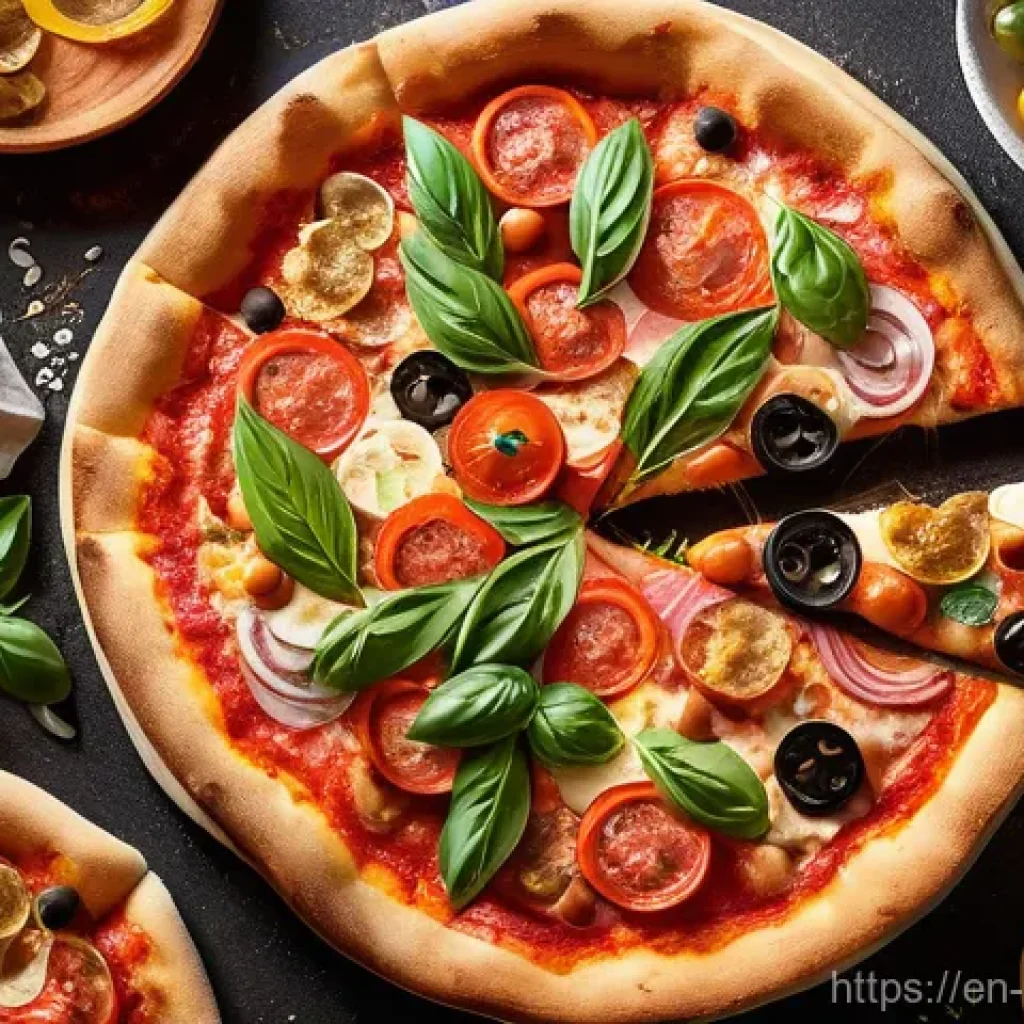
Hey pizza lovers! If you’re anything like me, you adore a good slice, but perhaps your taste buds are yearning for something fresh and unexpected, a true culinary adventure beyond the traditional.
I’ve personally been diving deep into the latest food trends, and what I’ve discovered about fusion pizza and its crusts is absolutely revolutionizing how we think about our favorite dish.
Forget the days when alternative crusts were bland or crumbly; today’s innovations are a game-changer for everyone, whether you’re navigating dietary needs like gluten-free or low-carb, or simply eager to experiment with new textures and flavors.
From exciting plant-based options like cauliflower and chickpea flour to the intriguing possibilities of ancient grains and even cutting-edge 3D printed doughs, the future of pizza is here, and it’s incredibly diverse and delicious.
I’ve found that using the right flour alternative can completely transform your pizza experience, adding an entirely new dimension to your homemade creations.
So, are you ready to unlock these incredible possibilities and elevate your next pizza night? Let’s dive in and uncover the secrets to sensational fusion pizza crusts!
Diving into the Delicious World of Veggie-Based Crusts
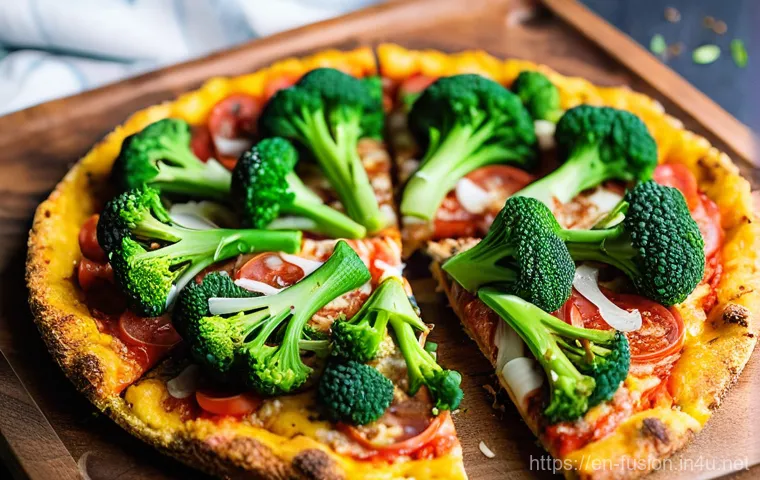
Okay, so let’s be real, who would’ve thought vegetables could become the superstar foundation of our beloved pizza? I certainly didn’t expect to fall head over heels for cauliflower crusts, but here we are! When I first tried a cauliflower crust a few years back, I was skeptical. I imagined something soggy and bland, a sad imitation. Boy, was I wrong! The first time I bit into a perfectly crisp cauliflower crust, loaded with vibrant toppings, I was genuinely shocked. It had a delightful texture, a subtle earthiness, and honestly, it felt so much lighter. It didn’t leave me with that heavy, post-pizza feeling, which is a huge win in my book. It’s truly a game-changer, especially if you’re trying to sneak more veggies into your diet without sacrificing flavor. Think about it: a pizza that’s not just delicious but also makes you feel good. That’s a powerful combination! I’ve even experimented at home, grating fresh cauliflower, mixing it with some almond flour and spices, and pressing it into a pan. It takes a little practice to get it just right – the key is really squeezing out all that excess moisture – but the results are incredibly rewarding. It’s like discovering a whole new dimension of pizza enjoyment, one where health and indulgence happily coexist. You get that satisfying crunch, a fantastic base for all your favorite toppings, and a little less guilt. It’s a total win-win, and honestly, my go-to for a weeknight treat now.
The Magic of Cauliflower and Broccoli Bases
Cauliflower crusts have truly revolutionized the scene, moving from a niche health food to a mainstream sensation. They’re often made by ricing cauliflower, mixing it with cheese, eggs, and a bit of flour (sometimes almond or coconut), and then baking it until firm. The beauty of it lies in its versatility. It holds up remarkably well to toppings, gets delightfully crispy, and provides a neutral canvas for whatever flavors you’re craving. I remember making a pesto chicken pizza on a cauliflower crust once, and the slight nuttiness from the crust just enhanced the whole experience. Beyond cauliflower, I’ve also noticed broccoli crusts popping up. While less common, they offer a similar nutrient-dense alternative with a slightly different flavor profile. My personal experience has been that broccoli crusts can be a bit more assertive in flavor, so they pair wonderfully with robust toppings like strong cheeses or spicy sausage. It’s all about finding what resonates with your palate. Both options are fantastic for adding fiber and vitamins to your meal, without compromising on that essential pizza satisfaction. It’s truly about embracing these innovative ingredients and seeing how they transform your pizza night into something special and unexpectedly delicious.
Chickpea Flour and Other Legume-Based Wonders
Now, let’s chat about chickpea flour, or ‘besan’ as some of you might know it. This one is a real gem, and it’s something I’ve personally experimented with a lot in my kitchen. It creates a crust that’s wonderfully robust, naturally gluten-free, and surprisingly high in protein. When I first tried making a chickpea flour crust, I was blown away by its earthy flavor and how substantial it felt. It doesn’t try to mimic a traditional dough; it offers its own unique character. It’s often used in Mediterranean and Indian cooking, so it brings a hint of that exotic flair to your pizza. I find it creates a chewier crust, almost like a rustic flatbread, which is absolutely perfect for toppings like roasted vegetables, feta cheese, and a drizzle of good olive oil. It’s got this incredible ability to crisp up beautifully on the edges while remaining tender in the middle. Beyond chickpeas, some innovative chefs are even playing with lentil flour or black bean flour to create even more diverse legume-based crusts. These offer a fantastic way to boost your protein and fiber intake, making your pizza not just a treat, but a genuinely wholesome meal. The density and nutritional benefits are what really draw me to these alternatives. They provide a satisfying chew and a unique flavor profile that stands apart from typical wheat-based crusts, making every bite an adventure.
Unlocking Flavor with Gluten-Free Innovations
For years, “gluten-free” often felt synonymous with “flavor-free” or “texture-compromised,” especially when it came to baked goods. As someone who’s seen friends struggle to find genuinely delicious gluten-free options, I can tell you that the advancements in this area are nothing short of miraculous. The old days of crumbly, cardboard-like gluten-free pizza crusts are thankfully behind us. Today, the world of gluten-free pizza is bursting with incredible flavor and satisfying textures that even the most discerning pizza aficionados (like me!) can appreciate. It’s not just about avoiding gluten anymore; it’s about creating an equally, if not more, enjoyable pizza experience. Companies and home bakers have really honed their craft, blending various gluten-free flours to mimic the chew and crispness of traditional dough. I remember trying a rice flour and tapioca starch blend crust for the first time at a local pizzeria, and I honestly couldn’t tell it was gluten-free. It had that perfect balance of crispiness on the bottom and a lovely chewiness inside. This evolution means that everyone, regardless of dietary restrictions, can indulge in a truly fantastic pizza night without feeling like they’re missing out. It’s a massive step forward, making pizza truly inclusive and endlessly enjoyable for all.
Mastering Multi-Grain Gluten-Free Blends
The secret to today’s phenomenal gluten-free crusts often lies in clever flour blending. It’s not just one single flour doing all the work; it’s a symphony of ingredients working in harmony. You’ll often find combinations of rice flour (both white and brown), tapioca starch, potato starch, and sometimes even a touch of sorghum or millet flour. Each of these contributes something unique. Rice flour provides structure, tapioca starch adds chewiness and elasticity, while potato starch helps with a tender crumb. I’ve personally experimented with a few pre-made gluten-free flour blends for my homemade pizzas, and the difference they make compared to single-flour attempts is astounding. These blends are meticulously crafted to achieve that elusive balance, ensuring the crust rises well, gets crispy in the oven, and has a satisfying mouthfeel. It’s a science, really, and the results are truly delicious. When you see a crust that looks and tastes just like a classic, but you know it’s completely gluten-free, it’s a little moment of triumph. It means that the joy of pizza is now truly accessible to everyone, and that’s something worth celebrating.
The Role of Xanthan Gum and Other Binders
One of the unsung heroes in the gluten-free baking world, and specifically for pizza crusts, is xanthan gum. For those unfamiliar, gluten provides elasticity and structure to dough, allowing it to stretch and hold together. Without it, gluten-free doughs can be brittle and crumbly. This is where binders like xanthan gum step in. A tiny pinch of xanthan gum can work wonders, mimicking the properties of gluten by providing that much-needed elasticity and preventing your crust from falling apart. I’ve made the mistake of forgetting it once, and my dough was an absolute disaster – sticky, unworkable, and totally fell apart when I tried to transfer it. Lesson learned! Other binders like psyllium husk powder or even ground flaxseed can also play a similar role, adding fiber and helping to create a more cohesive dough. These ingredients are crucial for achieving a crust that you can actually pick up, fold, and enjoy without fear of it disintegrating in your hands. It’s these small, often unseen, components that truly elevate a gluten-free pizza crust from merely acceptable to genuinely fantastic, allowing us all to enjoy that perfect slice.
The Rise of Low-Carb and Keto-Friendly Pizza Bases
For anyone embracing a low-carb or ketogenic lifestyle, pizza often feels like a distant, forbidden dream. But guess what? Those days are long gone! The innovation in low-carb pizza crusts has been incredible, offering genuinely satisfying alternatives that don’t compromise on flavor or that beloved pizza experience. I’ve personally been dabbling in low-carb eating for a while now, and discovering these crust options has been a revelation. It means I can still enjoy a fantastic pizza night with friends and family without feeling like I’m cheating on my dietary goals. The beauty of these crusts is that they’re often packed with protein and healthy fats, which keeps you feeling full and satisfied without the carb crash. When I first tried an almond flour crust, I was expecting something super dense and perhaps a bit dry. Instead, I was met with a surprisingly tender and slightly nutty base that crisped up beautifully. It truly opened my eyes to the possibilities. It’s not just about restriction; it’s about smart, delicious substitutions that allow you to enjoy all your favorite foods in a way that aligns with your health goals. It’s about empowerment and proving that a low-carb diet doesn’t have to be boring or restrictive. These crusts mean you can indulge guilt-free, and that’s a feeling worth savoring.
Almond Flour and Coconut Flour: The Dynamic Duo
When you talk about low-carb crusts, almond flour and coconut flour are often the first two stars that come to mind, and for good reason! They are fantastic alternatives that bring unique properties to the table. Almond flour, made from blanched, ground almonds, creates a tender, slightly nutty crust that’s relatively easy to work with. I’ve found it browns nicely and provides a good base that isn’t too heavy. Its mild flavor makes it incredibly versatile, pairing well with a wide range of toppings, from classic pepperoni to more gourmet options like prosciutto and arugula. Coconut flour, on the other hand, is a bit trickier to master due to its incredibly high absorbency. A little goes a very long way! However, when used correctly, often in combination with other flours or ingredients, it yields a delightfully light and somewhat fibrous crust. I’ve found that using it sparingly and balancing it with plenty of liquid or eggs is key to avoiding a dry or crumbly result. It also imparts a subtly sweet flavor, which can be a wonderful counterpoint to savory toppings. Both these flours are excellent sources of fiber and protein, making your low-carb pizza not just delicious but also quite nutritious and satisfying. Experimenting with their ratios has become a fun kitchen project for me, always yielding exciting new results.
Exploring Cheese-Based and Meat-Based Crusts
Now, if you’re really committed to the low-carb lifestyle, you’ve probably heard about – or even tried – cheese-based crusts, often affectionately known as “fathead dough.” And let me tell you, these are a revelation! My first experience with fathead dough was mind-blowing. It’s essentially a mix of mozzarella cheese, cream cheese, egg, and almond flour, creating a pliable, delicious dough that bakes into an incredibly savory and crispy crust. It’s rich, flavorful, and holds up to even the heaviest of toppings. It’s basically like having a giant cheesy cracker as your pizza base, and who can say no to that? It’s a fantastic option for those truly aiming for minimal carbs. Beyond cheese, some incredibly creative folks are even experimenting with meat-based crusts, like chicken crusts, which are essentially ground chicken mixed with eggs and seasonings, baked until firm. While I haven’t personally ventured into meat crusts yet, I’ve heard rave reviews from friends who swear by them for their ultimate protein-packed, low-carb pizza fix. These options aren’t for everyone, but for those on a strict keto journey, they open up a whole new world of pizza possibilities that were once unimaginable. It really shows how far we’ve come in making pizza accessible and exciting for every dietary need out there.
Ancient Grains: A New Old Twist on Pizza Night
It’s fascinating how sometimes the ‘newest’ trends are actually a rediscovery of ancient wisdom. That’s exactly how I feel about incorporating ancient grains into pizza crusts. Before the widespread use of modern wheat, our ancestors were baking with all sorts of incredible grains, and now they’re making a fantastic comeback in the culinary world. For me, exploring ancient grain crusts feels like a delightful journey back in time, but with all the deliciousness of contemporary pizza. These grains often bring a richer, more complex flavor profile to the crust, a pleasant earthiness or nuttiness that regular white flour just can’t compete with. Plus, many ancient grains are naturally more nutritious, offering higher levels of protein, fiber, and various micronutrients. When I first tried a spelt flour crust, I was struck by its slightly sweet, almost malty flavor and its satisfying chew. It didn’t just feel like a base; it felt like an integral part of the overall pizza experience. It’s like discovering a new spice that elevates your favorite dish. These options are perfect for those who are looking for alternatives to traditional wheat but aren’t necessarily gluten-intolerant, or simply want to explore different textures and tastes. It really makes you appreciate the diversity of grains available to us.
Spelt, Einkorn, and Khorasan: Heirloom Grains Reimagined
Among the multitude of ancient grains, spelt, einkorn, and Khorasan wheat (often marketed as Kamut) are gaining serious traction in the baking world, and for good reason. Spelt, a close relative of wheat, has a slightly nutty, sweet flavor and a lighter, more soluble gluten structure, which some people find easier to digest than modern wheat. I’ve personally baked with spelt flour extensively, and it makes a remarkably tender and flavorful pizza crust that’s got a wonderful elasticity. Einkorn, considered one of the oldest wheat varieties, has a simpler genetic structure and a rich, buttery flavor profile. It creates a dense, chewy crust that’s incredibly satisfying and boasts higher protein content than modern wheat. I find it adds a truly rustic feel to a pizza. And then there’s Khorasan, with its large kernels and distinct buttery, nutty taste. It yields a crust that’s robust and incredibly flavorful, often with a golden hue. These grains aren’t just about nutrition; they’re about a taste experience that feels both familiar and excitingly new. They challenge the notion that pizza crust has to be plain, transforming it into a flavorful component of the dish itself. It’s truly a testament to the fact that sometimes, going back to our roots can lead to the most delicious innovations.
Millet and Sorghum: Gluten-Free Ancient Wonders
Beyond the wheat relatives, ancient grains like millet and sorghum offer fantastic gluten-free options that are far from bland. Millet, a tiny, often overlooked grain, is wonderfully versatile. When ground into flour, it creates a light, slightly sweet crust with a pleasant texture. I’ve used millet flour in gluten-free blends, and it contributes a lovely tenderness and a subtle, almost corn-like flavor. It’s a great choice if you’re looking for a softer crust that still holds its shape. Sorghum, another ancient staple, is known for its mild flavor and smooth texture. Sorghum flour makes a robust, slightly chewy crust that’s very satisfying. It’s also high in fiber and protein, making it a nutritious base for any pizza. What I love about these grains is their ability to add complexity and nutritional value without overpowering your chosen toppings. They don’t have the same elastic properties as wheat, so they often benefit from binders, but the resulting crusts are truly exceptional. They allow for an incredible diversity in texture and flavor within the gluten-free category, proving that ancient wisdom holds many keys to our modern culinary delights. It’s about rediscovering these incredible ingredients and letting them inspire your next pizza masterpiece.
| Crust Type | Key Ingredients | Flavor Profile | Texture Notes | Best For |
|---|---|---|---|---|
| Cauliflower Crust | Riced cauliflower, egg, cheese, binders | Mild, slightly earthy | Crispy, tender, light | Veggie lovers, lighter meals, gluten-conscious |
| Chickpea Flour Crust | Chickpea flour, water, oil, seasoning | Earthy, nutty, savory | Chewy, rustic, can be very crispy | High-protein, gluten-free, unique flavor seeking |
| Almond Flour Crust | Almond flour, egg, cheese | Mild, slightly nutty | Tender, bakes well, can be slightly dense | Low-carb, keto, mild flavor preference |
| Spelt Crust | Spelt flour, water, yeast, salt | Nutty, slightly sweet, earthy | Chewy, elastic, satisfying | Flavor exploration, alternative to modern wheat |
| Sorghum Crust | Sorghum flour, binders, water, yeast | Mild, slightly sweet | Robust, slightly chewy, good structure | Gluten-free, fiber-rich, neutral base |
Elevating Your Home Kitchen with Creative Doughs
One of the most exciting aspects of these alternative crusts is the sheer joy of creating them in your own kitchen. There’s something incredibly satisfying about transforming simple ingredients into a delicious pizza base. I’ve found that getting hands-on with dough, even the non-traditional kind, is a fantastic way to unwind and express a little culinary creativity. It’s not just about eating; it’s about the whole process, the aroma filling your kitchen, the anticipation. And let me tell you, when you pull a perfectly baked pizza with a unique, homemade crust out of your oven, the sense of accomplishment is huge! It’s like a little victory dance right there in your kitchen. Beyond the joy of creation, making your own crusts gives you complete control over the ingredients, which is a big plus for those with specific dietary needs or who prefer organic, high-quality components. You can fine-tune the seasonings, adjust the texture, and really make it your own. I’ve spent countless evenings experimenting with different flour ratios, hydration levels, and baking temperatures, and each time, I learn something new. It’s an ongoing adventure, and the best part is that the ‘failures’ are usually still pretty tasty! So, don’t be shy; grab an apron and dive into the wonderful world of homemade fusion pizza crusts. You might just discover your new favorite hobby!
Tips for a Perfect Homemade Alternative Crust
Making alternative crusts at home can be a bit different from traditional wheat dough, but a few key tips can make all the difference. Firstly, moisture management is crucial, especially for veggie-based crusts like cauliflower. You *really* need to squeeze out as much water as possible; otherwise, you’ll end up with a soggy mess, and nobody wants that! I’ve learned this the hard way. A clean kitchen towel or cheesecloth is your best friend here. Secondly, don’t be afraid to pre-bake your crust. Many alternative crusts benefit from a good pre-bake before adding your toppings. This helps them firm up and achieve that desirable crispness without burning the toppings later. I usually pre-bake until it’s just starting to turn golden. Thirdly, consider your binding agents. Since these crusts often lack gluten, ingredients like eggs, flax eggs, or xanthan gum are essential for holding everything together. Don’t skip them! Lastly, be patient and embrace experimentation. Every oven is different, and every batch of ingredients can vary slightly. What works perfectly for a friend might need a slight adjustment for you. It’s all part of the fun, and with a little practice, you’ll be whipping up sensational crusts like a seasoned pro.
Pairing Toppings with Unique Crust Flavors
This is where the real magic of fusion pizza comes alive! The beauty of these diverse crusts is how they can completely change the dynamic of your toppings. You’re no longer just throwing ingredients onto a neutral base; you’re creating a harmonious flavor symphony. For instance, with a mild cauliflower crust, I love to go wild with bold flavors – a spicy arrabbiata sauce, crumbled Italian sausage, and some sharp provolone. The crust acts as a fantastic, almost neutral, counterpoint. If I’m using an earthy chickpea flour crust, I tend to lean into Mediterranean vibes with roasted red peppers, olives, feta, and a generous sprinkle of fresh oregano. The nutty undertones of the chickpea really sing with these ingredients. For a sweet-ish coconut flour crust, I might try something a little unconventional, like a chicken satay pizza with a peanut sauce base, or even a dessert pizza with fruit and a ricotta spread. And with those ancient grain crusts like spelt or einkorn, which have their own rich flavor, I often keep the toppings a bit simpler to let the crust shine – perhaps just a good quality tomato sauce, fresh mozzarella, and a few basil leaves. It’s all about creating balance and letting each component contribute to the overall deliciousness. Don’t be afraid to think outside the box; your taste buds will thank you!
Beyond the Oven: Exploring Cutting-Edge Crust Tech
Just when you think you’ve seen it all in the pizza world, technology swoops in and completely blows your mind. I’m talking about innovations that sound straight out of a sci-fi movie, but are actually happening right now! It’s incredibly exciting to witness how advancements in food science and engineering are pushing the boundaries of what’s possible with our beloved pizza crusts. From hyper-efficient baking methods to entirely new ways of forming dough, the future of pizza is looking undeniably futuristic and, honestly, deliciously intriguing. It reminds me of when smartphones first came out; you knew they were changing things, but you couldn’t quite grasp the full scope. That’s how I feel about some of these emerging crust technologies. They promise not just efficiency and consistency, but also the potential for completely novel textures and personalized nutrition that we’ve only dreamed of until now. Imagine a world where your pizza crust is custom-designed for your exact dietary needs and taste preferences, all thanks to some incredible tech. It’s not just about making pizza faster; it’s about making it smarter, more sustainable, and truly tailored to each and every one of us. It’s a thrilling frontier, and I’m genuinely stoked to see where it takes us.
The Promise of 3D-Printed Pizza Doughs
Okay, prepare to have your mind a little bit boggled – we’re talking about 3D-printed pizza doughs! Yes, you read that right. While it might sound like something from a futuristic cartoon, the technology is rapidly developing. Imagine a machine that can precisely deposit dough in intricate patterns, creating crusts with unique textures, customizable thickness, and even built-in air pockets for extra crispiness. For someone who loves both food and innovation, this is absolutely fascinating! The potential here is enormous, especially for creating highly personalized pizzas. Think about dietary restrictions – a 3D printer could precisely layer different flours to create a multi-layered gluten-free and low-carb crust, or even infuse specific nutrients directly into the dough matrix. It’s still in its early stages, mostly confined to research labs and specialized events, but the concept is genuinely revolutionary. I can totally envision a future where you walk into a pizzeria, pick your exact crust specifications on a tablet, and watch as a machine fabricates your bespoke pizza base right before your eyes. It could eliminate waste, ensure incredible consistency, and open up an entirely new realm of culinary design. The possibilities for customization are truly limitless, turning every pizza into a unique edible masterpiece.
Robotics and AI in Dough Preparation
Beyond the wild world of 3D printing, robotics and artificial intelligence are also quietly revolutionizing how pizza doughs are prepared and handled. Automated systems are becoming incredibly adept at tasks like mixing, kneading, and portioning dough, ensuring unparalleled consistency and efficiency. For commercial kitchens and large-scale pizza operations, this means perfectly consistent crusts every single time, which, as a pizza lover, I can definitely appreciate! It reduces human error and ensures that the dough always meets precise specifications for hydration, temperature, and fermentation. Imagine a robotic arm precisely kneading dough to the exact optimal elasticity, or an AI system analyzing environmental factors like humidity to adjust a dough recipe on the fly. This level of precision translates directly to a better final product – a consistently amazing crust. While it might sound a little cold and impersonal, the goal here isn’t to replace the artistry of a pizzaiolo entirely, but rather to optimize the mundane, repetitive tasks, freeing up human chefs to focus on creativity, topping combinations, and the overall customer experience. It’s about leveraging technology to elevate the craft, ensuring that every single pizza, no matter where it’s made, starts with a perfectly prepared and consistently delicious crust. It’s truly a marriage of ancient culinary tradition and cutting-edge modern engineering.
Maximizing Your Pizza Experience: Tips for the Perfect Pie
Alright, so we’ve talked about all these fantastic fusion crusts and the incredible innovations shaping the pizza world. But at the end of the day, it’s all about enjoying that perfect slice, right? As a long-time pizza enthusiast, I’ve picked up a few tricks over the years that can elevate any pizza night, regardless of your chosen crust. It’s about paying attention to the details and really making the most of those incredible flavors and textures. Because what’s a great crust without equally amazing toppings, and a perfectly cooked pie? It’s like having a beautiful canvas but no paint. My biggest takeaway is that passion for pizza is contagious, and when you put a little love and thought into your creation, it absolutely shines through. It’s about creating an experience, not just a meal. So whether you’re a seasoned home chef or just starting your pizza journey, these pointers are designed to help you hit that culinary sweet spot. Trust me, I’ve had my share of soggy centers and burnt edges, and these insights are hard-won wisdom from countless pizza adventures, both successful and, well, less successful! Let’s get you ready to create some truly unforgettable pizza moments.
The Art of Sauce and Cheese Pairing
Choosing the right sauce and cheese for your unique crust can make or break your pizza. It’s an art form, really! If you’re using a subtly flavored crust, like cauliflower or almond flour, you have the freedom to go bold with your sauce – think a robust San Marzano tomato sauce or a vibrant pesto. These crusts provide a neutral backdrop, allowing the sauce to be the star. For a crust with a more distinct flavor, like a nutty spelt or an earthy chickpea flour, I often opt for a simpler, lighter sauce to let the crust’s character shine. A garlic and olive oil base, or a fresh marinara, works wonderfully here. As for cheese, it’s not just about mozzarella anymore. While classic mozzarella is always a winner for its melt and stretch, don’t shy away from mixing in some sharp provolone for a tang, creamy ricotta for richness, or salty feta for a Mediterranean twist. I’ve found that a blend of cheeses often creates the most interesting flavor profile and texture. For me, a perfect pizza always has that delightful pull of melted cheese, and experimenting with different combinations can truly elevate the entire experience, making each bite a delightful exploration of flavors.
Achieving the Perfect Bake and Crispness
Baking is where all your hard work comes to fruition, and getting that perfect crispness is the holy grail of pizza making. The secret? High heat and often, preheating your baking surface. Whether you’re using a pizza stone, a steel, or even a heavy-duty baking sheet, let it get screaming hot in your oven (usually 450-500°F or 230-260°C) for at least 30-60 minutes before you even think about putting your pizza in. This intense initial heat is crucial for developing a crispy bottom crust. For many alternative crusts, particularly those that are denser or wetter, a pre-bake of the crust alone before adding toppings can make a huge difference, as I mentioned earlier. I always slide my pizza onto that preheated surface, and you can almost hear the crust sigh with happiness as it starts to crisp up instantly. Keep an eye on the edges; they should be golden brown and inviting. Don’t overcrowd your pizza with too many toppings, as this can lead to a soggy center – a rookie mistake I’ve definitely made! A light hand with toppings ensures even cooking and allows that beautiful crust to truly shine. Pull it out when the cheese is bubbly and slightly browned, and the crust edges are perfectly caramelized. That moment, when you take that first crisp bite, is pure bliss, and it’s what makes all the effort absolutely worth it.
Wrapping Things Up
Well, friends, what a delicious journey we’ve had exploring the incredible world of alternative pizza crusts! It’s truly amazing to see how far we’ve come from just traditional dough, opening up a universe of flavors and textures for every palate and dietary need. From the humble cauliflower to ancient grains and even the futuristic possibilities of 3D printing, pizza is more exciting and inclusive than ever before. For me, it’s all about embracing this culinary adventure and finding new ways to enjoy one of my favorite foods. I hope this deep dive has inspired you to step into your kitchen with a renewed sense of curiosity and perhaps try a crust you’ve never considered before. Remember, the best pizza is the one that brings you joy, so go on and create your next masterpiece!
Useful Information
1. Always squeeze out excess moisture from veggie-based crust ingredients like riced cauliflower or zucchini to avoid a soggy result. It’s a game-changer!
2. Pre-baking many alternative crusts before adding toppings helps them firm up and achieve that perfect crispness, especially for denser options.
3. Don’t underestimate the power of binders like eggs, flax eggs, or xanthan gum in gluten-free and alternative crusts; they’re essential for structure.
4. Experiment with topping pairings! A mild crust allows for bold sauces, while a crust with a distinct flavor might shine with simpler, complementary ingredients.
5. High heat is your best friend for a crispy pizza bottom – always preheat your pizza stone or steel to a high temperature (450-500°F) for at least 30 minutes before baking.
Key Takeaways
Our culinary world is constantly evolving, and pizza crusts are a shining example of this innovation. We’ve seen how embracing diverse ingredients like vegetables, legumes, and ancient grains not only offers incredible flavor and texture variations but also provides fantastic nutritional benefits. Whether you’re navigating dietary restrictions or simply looking to broaden your gastronomic horizons, there’s a crust out there for you. The journey of making your own alternative crusts is incredibly rewarding, allowing for personalization and a deeper connection to your food. And with emerging technologies, the future promises even more exciting and tailored pizza experiences. So, grab your apron, get creative, and enjoy the endless possibilities that await your next pizza night!
Frequently Asked Questions (FAQ) 📖
Q: I’m trying to eat healthier or have specific dietary needs like being gluten-free or low-carb. What are the best alternative crusts you’d recommend, and do they actually taste good?
A: I totally get it! Finding a crust that fits your lifestyle and your cravings can feel like a quest, but trust me, the options today are absolutely incredible.
For my gluten-free friends, cauliflower crust has been an absolute revelation. I used to be so skeptical, but when done right, it gets wonderfully crispy and has a surprisingly neutral flavor that really lets your toppings shine.
My personal trick is to really press out all the moisture before baking – that’s the undeniable secret to avoiding a soggy bottom! If you’re going low-carb, almond flour and even some specialized protein crusts are fantastic.
They offer a slightly richer, nuttier flavor and a satisfying chew. I’ve found they brown beautifully, giving you that authentic pizza crust look and feel.
Honestly, the key is knowing which ones pair best with your toppings. A Mediterranean-style pizza with feta and olives on a chickpea crust? Chef’s kiss!
It’s all about experimenting and finding your perfect match, and I promise, your taste buds will thank you.
Q: Okay, these new crusts sound interesting, but do they really compare to traditional pizza? What’s the actual taste and texture experience like?
A: This is probably the biggest question on everyone’s mind, and it’s a valid one! Let’s be real: nothing exactly replicates that classic New York or Neapolitan dough.
But here’s the magic: these fusion crusts aren’t trying to be exact replicas; they’re creating their own delicious category. What I’ve personally discovered is that they open up an entirely new world of flavor and texture.
Think about a sweet potato crust – it brings a subtle sweetness and a wonderfully soft, almost cake-like interior with surprisingly crispy edges that you just don’t get from a traditional white flour crust.
Or a black bean crust, which offers an earthy depth and a surprisingly sturdy base for heavier toppings. I personally love how some of these ancient grain flours, like spelt or einkorn, give a chewier, more rustic feel that feels incredibly satisfying and wholesome.
It’s not about replacing traditional pizza; it’s about expanding your pizza horizons. You’re not losing out on anything; you’re gaining more amazing, diverse ways to enjoy your favorite dish!
Q: I’m excited to try making these at home!
A: re they difficult to work with, and do you have any pro tips to make sure my homemade fusion crusts turn out perfectly? A3: Absolutely, you should! Making your own fusion crusts at home is so incredibly rewarding, and honestly, it’s often much simpler than you might think.
My biggest, absolute game-changing tip, especially when you’re working with veggie-based crusts like cauliflower or zucchini, is to really get rid of all the excess moisture.
I’m talking squeezing, pressing, and then squeezing again with a clean kitchen towel! That’s the secret sauce to a crispy, not soggy, crust that holds up to your toppings.
For flour alternatives like almond or chickpea flour, remember they behave a bit differently than wheat flour. They might need a little more binding, like an egg, and a slightly lower oven temperature to prevent burning while still getting that gorgeous golden crisp.
I always pre-bake my alternative crusts for about 5-10 minutes before adding any toppings; it gives them a head start and ensures they cook through evenly.
And please, don’t be afraid to get your hands messy! Baking is an art, and a little trial and error is part of the fun and learning process. You’ll quickly figure out what works best in your own kitchen, and trust me, the payoff is a homemade pizza masterpiece that will impress everyone!