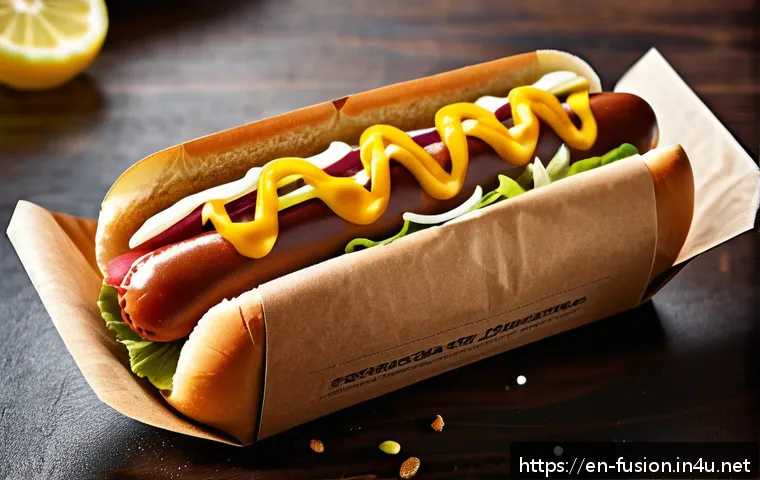
In today’s fast-paced food scene, standing out means more than just great taste—it’s about the whole experience. Fusion hot dogs are taking the culinary world by storm, blending bold flavors with creative twists.
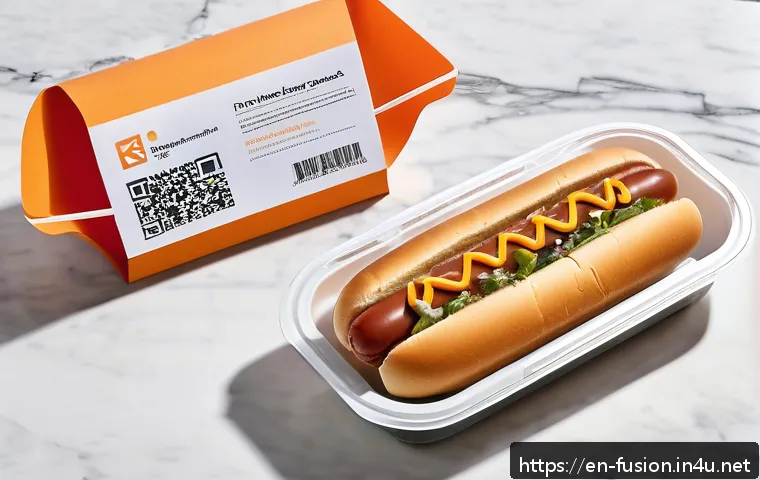
But have you ever stopped to think about how premium packaging can elevate that experience even further? With sustainability and aesthetics becoming key factors, innovative packaging solutions are transforming how we enjoy our favorite street eats.
Stick around as we dive into the latest trends that make every bite not only delicious but visually unforgettable. This could change the way you think about your next hot dog run!
Elevating the Visual Impact of Gourmet Hot Dogs
The Power of First Impressions
When you grab a gourmet hot dog, the way it’s presented sets the tone for the whole experience. I’ve noticed that packaging isn’t just about holding the food—it actually builds anticipation.
A sleek, thoughtfully designed box or wrapper can make you feel like you’re about to enjoy something special, not just a quick snack. This sense of occasion makes the meal more memorable and worth sharing on social media, which is huge for food trends today.
It’s that little extra touch that turns a simple hot dog into a must-try item.
Balancing Style with Functionality
From my own experience running food events, packaging needs to do more than look good—it has to work well. The best packaging holds the hot dog securely, keeps it warm, and prevents messes, all while showing off the food’s vibrant ingredients.
I’ve seen designs with clever compartments for sauces or toppings, which not only keep flavors intact but also give you control over your bite. This functional artistry boosts customer satisfaction because it solves common eating problems while keeping everything Instagram-worthy.
Materials That Make a Difference
Choosing the right materials is a game-changer. I’ve tried various options, and biodegradable or compostable packaging really stands out. Not only does it appeal to eco-conscious customers, but it also adds a premium feel when combined with modern, minimalist design.
Using kraft paper, bamboo fiber, or plant-based plastics shows a brand cares about sustainability without sacrificing durability or style. This approach feels authentic and earns customer loyalty because it aligns with today’s values around environmental responsibility.
Innovations in Sustainable Packaging for Street Food
Eco-Friendly Trends Taking Over
Lately, I’ve seen more hot dog vendors switching to sustainable packaging, and it’s impressive how far the technology has come. Compostable trays, edible wrappers, and reusable containers are no longer just experimental—they’re practical and affordable.
These innovations reduce waste and create a buzz around the brand, especially among younger customers who prioritize sustainability. It’s refreshing to see street food, often seen as disposable, stepping up to meet environmental challenges head-on.
Consumer Expectations Shift Toward Green
In conversations with fellow foodies, it’s clear that people want packaging that matches their values. They’re willing to pay a bit more for sustainable options if it means less plastic and more recyclability.
This trend pushes vendors to rethink their entire supply chain, from sourcing materials to waste management. I’ve noticed that brands transparent about their eco-friendly efforts build stronger connections with their audience, fostering repeat business and positive word-of-mouth.
Challenges and Solutions in Sustainable Packaging
Of course, switching to sustainable packaging isn’t without hurdles. Cost can be a barrier, and some eco-friendly materials aren’t as sturdy, which risks damaging the product.
However, smart design choices—like reinforced edges or dual-material layering—can solve these issues. I’ve worked with suppliers who offer customizable solutions that balance durability and compostability, proving that innovation is the key.
This balance helps brands maintain quality while making a positive environmental impact.
Creative Packaging Designs That Tell a Story
Incorporating Local Culture and Ingredients
One of the coolest trends I’ve encountered is packaging that reflects the local vibe or the story behind the hot dog’s ingredients. For example, a vendor using regional spices might incorporate traditional patterns or colors into their box design.
This storytelling element not only educates customers but also adds emotional value to the purchase. It’s like getting a mini cultural tour with your meal, which deepens the connection between the eater and the food.
Interactive and Customizable Packaging
Some brands are pushing boundaries by making packaging interactive. Think peel-back windows revealing fun facts, QR codes linking to recipe videos, or writable surfaces where customers can leave messages.
I find these features encourage engagement and make the experience more personal. Customizable packaging options, like allowing customers to select their box colors or add names, enhance the feeling that the hot dog was made just for them.
This kind of interaction keeps people coming back.
Minimalism Meets Boldness in Design
In my opinion, the best packaging balances clean, minimal aesthetics with bold, eye-catching details. Simple color palettes combined with striking typography or unexpected textures create a premium look that stands out on crowded streets or food markets.
This design philosophy mirrors the fusion nature of the hot dogs themselves—classic yet adventurous. When I see packaging like this, I immediately associate the brand with quality and creativity.
How Packaging Influences Customer Behavior
Encouraging Social Sharing
I can’t stress enough how much packaging affects social media buzz. When a hot dog comes in a beautifully designed package, people are way more likely to snap a photo and share it online.
This organic marketing is gold for vendors, driving new customers through visual appeal. I’ve personally ordered more than once just because I saw a friend’s post highlighting a cool box or wrapper.
Packaging essentially becomes a silent brand ambassador.
Enhancing Perceived Value
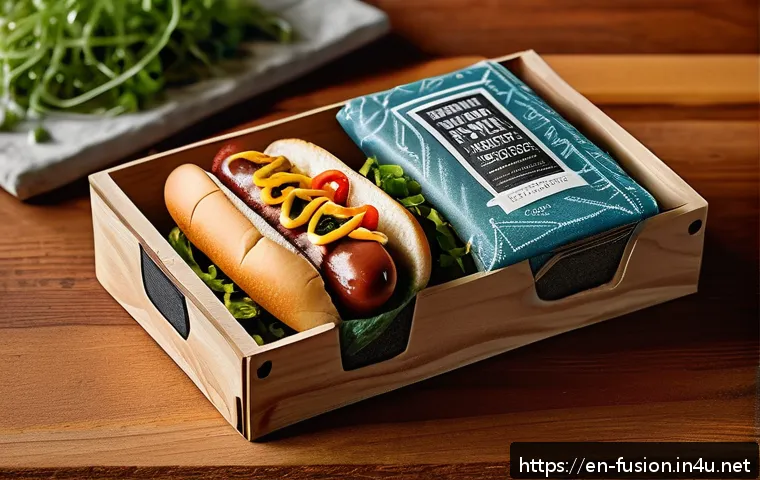
There’s something psychological about packaging that ups perceived value. Even if the hot dog itself is modestly priced, premium packaging makes it feel like a luxury purchase.
From my experience, this perception can justify higher prices and encourage upselling—like adding a specialty sauce or side. Customers feel they’re investing in a full experience, not just food, which opens doors for creative pricing strategies.
Reducing Food Waste and Improving Convenience
Smart packaging also helps reduce waste, which customers appreciate. When hot dogs come in containers designed to hold toppings separately or prevent sogginess, people tend to finish their meals rather than tossing half away.
Convenience features like easy-to-open lids or built-in napkin holders make eating on the go less messy and more enjoyable. These small details improve overall satisfaction and loyalty.
Emerging Materials Redefining Hot Dog Packaging
Bioplastics and Their Growing Role
Bioplastics, made from renewable sources like corn starch or sugarcane, are becoming more common in food packaging. I’ve noticed that they offer the perfect balance between biodegradability and durability, which is critical for items like hot dogs that need structural support.
Unlike traditional plastics, these materials break down faster in composting environments, aligning with consumer demand for greener options without compromising quality.
Edible Packaging: A Novel Experience
Some brands experiment with edible packaging, like seaweed-based wrappers or rice paper. While still niche, I find this concept fascinating because it turns packaging into part of the meal.
It’s a playful and eco-friendly approach that sparks curiosity and conversation. Though not yet widespread, edible packaging could appeal to adventurous eaters who want a unique dining experience.
Reusable Containers for a Circular Economy
Another trend gaining traction is reusable packaging, where customers return containers for cleaning and reuse. I’ve seen local vendors partner with apps or loyalty programs to facilitate this system, making it convenient and rewarding.
This model not only cuts down on waste but also builds a community around sustainability. It’s a win-win for businesses and customers who want to make environmentally responsible choices.
Packaging’s Role in Brand Identity and Storytelling
Visual Consistency Across Touchpoints
Strong brands maintain consistent packaging styles that reflect their personality and values. I’ve observed that when visual elements like color, font, and logo design align across packaging, menus, and online presence, customers feel a sense of familiarity and trust.
This coherence helps differentiate the brand in a crowded market, making it instantly recognizable and memorable.
Communicating Quality and Craftsmanship
Packaging can speak volumes about the care that goes into making the product. I once tried a hot dog where the packaging included a handwritten note about ingredient sourcing and preparation techniques.
That personal touch elevated my perception of quality and made me appreciate the craftsmanship behind the scenes. Authentic storytelling through packaging creates emotional connections that drive loyalty.
Using Packaging to Highlight Innovation
When a brand pushes culinary boundaries with fusion flavors, the packaging should reflect that innovation. Unique shapes, unexpected materials, or interactive elements signal to customers that this isn’t just any hot dog—it’s a creative experience.
I’ve seen packaging that mimics the fusion concept visually, blending styles or colors to mirror the food’s eclectic mix. This alignment reinforces the brand’s message and excites customers.
Comparing Packaging Types: Features and Benefits
| Packaging Type | Material | Benefits | Drawbacks | Best Use Case |
|---|---|---|---|---|
| Biodegradable Paperboard | Recycled paper, plant-based inks | Eco-friendly, lightweight, easy to print on | Less moisture-resistant, can get soggy | Dry or lightly sauced hot dogs |
| Compostable Bioplastics | Corn starch, sugarcane-based plastics | Water-resistant, durable, breaks down in compost | Higher cost, requires industrial composting | Hot dogs with wet toppings, sauces |
| Reusable Containers | Hard plastic, metal, silicone | Durable, reduces waste, brand loyalty boost | Requires return system, cleaning logistics | Regular customers, food trucks with loyalty programs |
| Edible Wrappers | Seaweed, rice paper | Zero waste, novel experience | Limited durability, niche appeal | Innovative fusion hot dogs, event catering |
| Hybrid Packaging | Combination of paper and bioplastics | Balanced durability and sustainability | More complex manufacturing | General street food applications |
Conclusion
Packaging plays a crucial role in elevating the gourmet hot dog experience, blending aesthetics with practicality. Thoughtful design not only enhances customer satisfaction but also supports sustainability and brand storytelling. As the market evolves, innovative and eco-friendly packaging solutions are shaping how consumers perceive and enjoy their meals. Ultimately, great packaging turns a simple snack into an unforgettable culinary moment.
Useful Information to Know
1. Packaging influences first impressions, making food more appealing and shareable on social media.
2. Sustainable materials like bioplastics and compostable paper help reduce environmental impact.
3. Functional designs that prevent mess and keep toppings separate improve convenience and reduce waste.
4. Interactive and customizable packaging can deepen customer engagement and brand loyalty.
5. Consistent visual branding across packaging and other touchpoints builds trust and recognition.
Key Takeaways
Effective hot dog packaging balances style, functionality, and environmental responsibility. Brands that invest in innovative materials and meaningful storytelling through design create stronger connections with customers. Addressing challenges like cost and durability with smart solutions is essential for success. By focusing on user experience and sustainability, packaging becomes a powerful tool that enhances value and drives repeat business.
Frequently Asked Questions (FAQ) 📖
Q: uestionsQ1: How does premium packaging enhance the fusion hot dog experience?
A: Premium packaging does more than just hold your hot dog—it creates an immersive experience from the moment you see it. When I first tried a fusion hot dog wrapped in eco-friendly, visually striking packaging, I felt like I was about to enjoy something special even before taking a bite.
It adds value by protecting the food’s freshness, showcasing the brand’s creativity, and making it Instagram-worthy. This thoughtful presentation elevates the overall enjoyment and leaves a lasting impression.
Q: Why is sustainability important in hot dog packaging today?
A: Sustainability has become a top priority for consumers who care about their environmental impact. From my experience, knowing that the packaging is biodegradable or made from recycled materials makes me appreciate the meal even more.
It reflects a brand’s commitment to responsible practices, which builds trust and encourages repeat visits. Plus, sustainable packaging often looks modern and clean, which aligns perfectly with the innovative vibe of fusion cuisine.
Q: What are some current trends in packaging that make fusion hot dogs stand out?
A: Lately, I’ve noticed a surge in packaging that combines functionality with eye-catching design—think bold colors, clever branding, and multi-use containers.
For example, some places use packaging that doubles as a holder or tray, making it easier to eat on the go without mess. Others incorporate transparent windows to tease the vibrant ingredients inside.
These trends not only improve convenience but also create a unique identity that sticks in customers’ minds long after the meal is over.