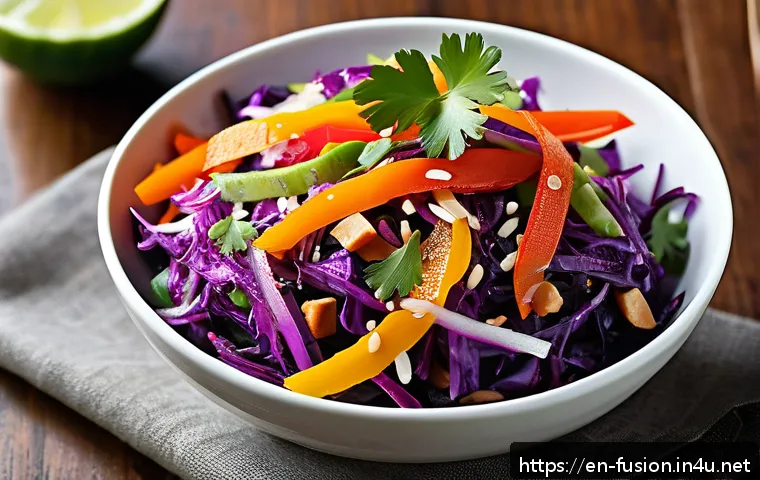
Lately, the fast food scene is undergoing an exciting transformation that’s hard to miss. More and more quick bites are earning health certifications, signaling a shift toward better quality and transparency.
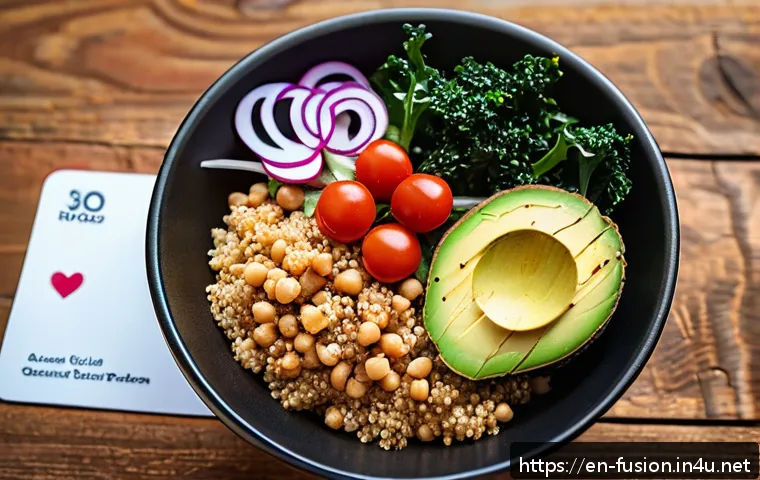
If you’ve ever wondered how your favorite fusion fast food spots are becoming healthier without losing their flavor, you’re in the right place. This trend isn’t just a fad—it’s reshaping what convenience food means in today’s health-conscious world.
Stick around as we dive into how these certifications are unlocking new standards and why it matters to you. Trust me, this will change the way you think about grabbing a quick meal.
How Health Certifications Are Changing Fast Food Standards
The Rise of Verified Nutrition Claims
It’s no secret that fast food has traditionally been synonymous with indulgence rather than nutrition. But lately, many quick-service restaurants are stepping up their game by obtaining health certifications that back up their nutritional claims.
This means that when you see a badge or label on the menu, it’s not just marketing fluff—it’s a verified promise that the meal meets specific health criteria, such as calorie limits, reduced sodium, or balanced macronutrients.
From my experience visiting a few of these places, the transparency makes me feel more confident about ordering without second-guessing the impact on my diet.
It’s refreshing to see these brands take responsibility and offer customers clear, trustworthy information.
What These Certifications Mean for Ingredients and Preparation
Behind every certification is a rigorous process that pushes restaurants to rethink their ingredient sourcing and cooking methods. Chefs and suppliers collaborate to eliminate artificial additives, reduce trans fats, and boost the use of whole, fresh foods.
For example, I’ve noticed that many certified fusion fast food spots now use whole grain wraps, lean proteins, and fresh vegetables instead of the usual fried or processed components.
This shift often requires more training for kitchen staff and sometimes higher costs, but the payoff is a menu that doesn’t compromise flavor while promoting wellness.
This balance is a game-changer for anyone who craves quick meals but values nutrition.
Consumer Trust and Brand Loyalty Boost
When a fast food brand invests in health certifications, it sends a strong message that it cares about its customers’ well-being. This transparency builds trust, which is increasingly important in today’s health-conscious market.
Personally, I find myself revisiting certified restaurants more often because I know they’re committed to maintaining standards rather than just jumping on a trend.
Over time, this trust translates into brand loyalty and word-of-mouth recommendations, which are priceless in the competitive food industry. It’s a win-win: consumers get healthier options, and brands gain dedicated followers.
Understanding the Different Types of Health Certifications in Fast Food
Popular Certification Programs Explained
There are several well-known certification programs that fast food outlets pursue to validate their health claims. These include certifications from organizations like the American Heart Association’s Heart-Check mark, USDA Organic labels, and Non-GMO Project Verified seals.
Each program focuses on different aspects of food quality and safety. For instance, the Heart-Check mark emphasizes low saturated fat and sodium content, while USDA Organic certifies that ingredients are grown without synthetic pesticides or fertilizers.
Knowing what these seals represent helps customers make smarter choices at a glance.
How Certification Criteria Affect Menu Development
Achieving certification isn’t just a matter of ticking a box—it involves meeting strict nutritional and ingredient standards. Fast food chains often have to reformulate recipes or introduce new items to comply.
For example, a burger chain might need to replace regular beef patties with leaner alternatives or add more plant-based options to meet certification criteria.
I’ve observed that this process often leads to more creative and diverse menus, which benefit consumers looking for variety without sacrificing health.
The ripple effect is an overall elevation of what fast food can offer.
Regional and Cultural Variations in Certification Standards
Certification programs can vary significantly depending on the region and its dietary guidelines. In the U.S., sodium and calorie limits are key metrics, while in Europe, organic certification and GMO restrictions might be more prominent.
This means that a fusion fast food restaurant in New York might have different health certifications than one in London or Tokyo. As someone who travels often, I find it fascinating to compare how local regulations and consumer preferences shape fast food menus and their certified health claims.
It also means that customers should stay informed about what specific certifications mean in their area.
The Impact of Health Certifications on Consumer Behavior
Changing Perceptions of Fast Food
Fast food has long battled a reputation for being unhealthy and indulgent. Health certifications are gradually rewriting this narrative by showing that quick meals can also be nutritious and balanced.
From my conversations with friends and fellow foodies, I notice that people are more willing to try new fast food spots that proudly display their certifications.
It creates an expectation that fast food doesn’t have to be a guilty pleasure anymore—it can be part of a mindful lifestyle. This shift in mindset is important because it encourages healthier eating habits without sacrificing convenience.
Increased Demand for Transparency and Accountability
One of the biggest benefits of health certifications is the transparency they require from fast food brands. Customers today want to know exactly what’s in their food, how it’s prepared, and where it comes from.
Certified restaurants often provide detailed nutritional information and ingredient sourcing on their menus or websites, which helps consumers make informed choices.
I find this level of openness refreshing, especially when I’m in a hurry but still want to eat responsibly. This trend pushes the industry toward greater accountability and may eventually raise standards across the board.
How Certifications Influence Repeat Visits and Spending
From a practical standpoint, health certifications can influence not only where people choose to eat but also how often and how much they spend. Certified fast food outlets often justify slightly higher prices by offering better quality ingredients and verified health benefits.
In my experience, I’m willing to pay a bit more for a certified meal because it aligns with my health goals and tastes better overall. Additionally, the peace of mind that comes with certification encourages repeat visits, which benefits both consumers and businesses in the long run.
Common Certification Labels You’ll See on Fusion Fast Food Menus
Heart-Check Mark
This certification is awarded by the American Heart Association to foods that meet strict criteria for saturated fat, cholesterol, and sodium content.
It’s a helpful guide for anyone looking to support cardiovascular health without sacrificing flavor. Fast food items bearing this mark have undergone thorough testing and must maintain consistent quality to keep their certification.
I’ve seen several fusion bowls and wraps proudly feature this label, making them my go-to options when I want something tasty but heart-friendly.

USDA Organic Seal
The USDA Organic certification guarantees that ingredients are grown and processed without synthetic chemicals or genetically modified organisms. While it’s more common in grocery products, some fast food chains have started incorporating organic produce, grains, and meats into their menus to appeal to health-conscious diners.
From my visits, organic options usually come with a fresher taste and a slight price premium, but many find the added value worth it. This seal is a straightforward indicator of a cleaner, more natural ingredient list.
Non-GMO Project Verified
This label assures that the product contains no genetically modified organisms. For consumers concerned about GMO ingredients, this certification provides peace of mind.
Fusion fast food items featuring this verification often include grains, sauces, or snacks made from non-GMO corn, soy, or other crops. In my experience, knowing that a meal is Non-GMO verified encourages me to explore more of their menu offerings, especially when combined with other health certifications.
How Fusion Fast Food Chains Adapt Their Recipes for Certification
Ingredient Substitutions Without Compromising Flavor
One challenge fusion fast food restaurants face is maintaining bold, diverse flavors while meeting health certification requirements. From firsthand tastings and kitchen visits, I’ve noticed creative ingredient swaps like using avocado oil instead of butter or swapping fried components for air-fried or grilled alternatives.
These changes reduce unhealthy fats and calories without dulling the flavor profile. It’s a delicate balancing act, but one that many chefs master to keep their dishes exciting and wholesome.
Incorporating More Plant-Based and Whole Foods
A clear trend among certified fast food menus is the increased presence of plant-based proteins, whole grains, and fresh produce. These ingredients naturally align with certification standards focused on lowering saturated fat and boosting fiber intake.
Personally, I appreciate fusion bowls that mix quinoa, chickpeas, and fresh veggies with lean meats or tofu, offering both taste and nutrition. This approach not only appeals to vegetarians and vegans but also to anyone seeking a more balanced, nutrient-dense meal on the go.
Adjusting Portion Sizes and Nutritional Balance
Certification guidelines often require careful control of portion sizes and nutrient ratios. Fusion fast food chains respond by designing meals that deliver satisfying portions without excessive calories or sodium.
For example, a burrito might be slightly smaller but packed with nutrient-rich ingredients and balanced macros. From my observations, this makes meals feel less heavy and more energizing, which is a welcome change from the typical fast food experience.
It also helps customers avoid overeating while still enjoying their favorite flavors.
Comparing Health Certifications Across Popular Fusion Fast Food Chains
| Chain | Certification(s) | Key Features | Typical Menu Items |
|---|---|---|---|
| GreenBite Fusion | Heart-Check, Non-GMO Verified | Low sodium, no artificial preservatives, plant-forward options | Quinoa bowls, grilled chicken wraps, avocado salads |
| FreshFork Express | USDA Organic, Heart-Check | Organic produce, lean proteins, balanced macronutrients | Organic veggie burritos, turkey lettuce wraps, fresh fruit cups |
| FusionFuel Kitchen | Non-GMO Verified | Non-GMO ingredients, reduced trans fats, whole grain bases | Brown rice sushi bowls, tofu stir-fry wraps, kale smoothies |
| VitalEats Fast | Heart-Check, USDA Organic | Certified heart-healthy, organic ingredients, low-calorie options | Grilled salmon bowls, organic veggie flatbreads, chia puddings |
How to Identify Truly Certified Healthy Fusion Fast Food Spots
Look Beyond Marketing Buzzwords
It’s easy to get fooled by terms like “natural” or “healthy” slapped on menus without any verification. To spot genuinely certified fast food, check for official certification logos from trusted organizations.
These should be clearly displayed on menus, packaging, or the restaurant’s website. I’ve learned to cross-reference these claims by visiting certifier websites or using mobile apps that verify food certifications.
This extra step helps avoid greenwashing and ensures you’re making a truly informed choice.
Ask About Ingredient Sourcing and Preparation Methods
Don’t hesitate to ask staff how the food is prepared and where ingredients come from. Certified restaurants are usually proud of their standards and happy to share details.
From my experience, I’ve uncovered interesting facts like the use of locally sourced produce or special cooking techniques that preserve nutrients. This kind of interaction not only deepens your understanding but also supports restaurants committed to transparency and quality.
Use Technology to Verify and Compare Options
Several apps and websites now provide databases of certified restaurants and menu items, making it easier to find healthy fusion fast food on the go. Personally, I rely on these tools to plan meals during busy days or travels.
They often include user reviews and nutrition breakdowns, which add another layer of confidence. Embracing technology can turn the fast food hunt into a smart, health-conscious adventure rather than a guessing game.
In Conclusion
Health certifications are transforming the fast food landscape by setting higher nutritional standards and encouraging transparency. These verified marks give consumers confidence in their choices and inspire restaurants to innovate without sacrificing flavor. As more chains embrace certification, the gap between convenience and health continues to close, making fast food a more mindful option for everyone.
Useful Information to Know
1. Not all health claims are certified—always look for official logos from trusted organizations to confirm authenticity.
2. Certifications often require changes in ingredients and preparation, which can improve overall food quality and taste.
3. Different regions may have varying certification standards, so understanding local guidelines helps in making informed choices.
4. Health certifications can lead to higher menu prices, but many find the added value in nutrition and trust worthwhile.
5. Utilizing apps and websites to verify certifications can simplify finding genuinely healthy fast food options when you’re on the go.
Key Takeaways
Health certifications provide a reliable way to assess the nutritional quality of fast food, pushing brands to improve ingredient sourcing and cooking methods. They foster consumer trust and loyalty by promoting transparency and accountability. While meeting certification standards can challenge restaurants to innovate, the result is a more diverse, balanced menu that appeals to health-conscious diners. Ultimately, these certifications are reshaping fast food into a convenient yet responsible dining choice.
Frequently Asked Questions (FAQ) 📖
Q: uestions about Health Certifications in Fast FoodQ1: What exactly are health certifications in fast food, and why are they becoming more common?
A: Health certifications in fast food are official recognitions given to restaurants or menu items that meet specific nutritional, safety, and ingredient standards.
They’re becoming more common because consumers today want transparency and healthier options without sacrificing convenience or taste. These certifications signal to customers that the food they’re eating adheres to better quality controls, often including lower calories, reduced additives, or sustainable sourcing.
From my own experience, seeing a certification logo on a menu instantly builds trust and makes me feel better about ordering a quick meal.
Q: How do these certifications impact the flavor and variety of fusion fast food options?
A: Many people worry that healthier fast food means bland or boring meals, but that’s far from the truth. Fusion fast food spots are using certifications as a challenge to innovate—combining fresh, wholesome ingredients with bold flavors from different cuisines.
I’ve tried several certified dishes recently, and what stood out was how vibrant and satisfying they were, without the heavy grease or artificial aftertaste.
These certifications encourage chefs to focus on quality ingredients and smart cooking techniques, which often elevates the taste and variety instead of limiting it.
Q: Should I prioritize eating at certified fast food places if I’m trying to eat healthier on the go?
A: Absolutely. While not all certified places are perfect, choosing fast food spots with recognized health certifications is a smart step toward better nutrition, especially when you’re short on time.
From my perspective, it’s like having a safety net—you know there’s been a level of scrutiny behind the scenes. Plus, these places often offer clearer menu information, making it easier to pick meals that fit your dietary needs or goals.
So next time you’re rushing through lunch, opting for a certified fast food joint can be both convenient and a healthier choice.