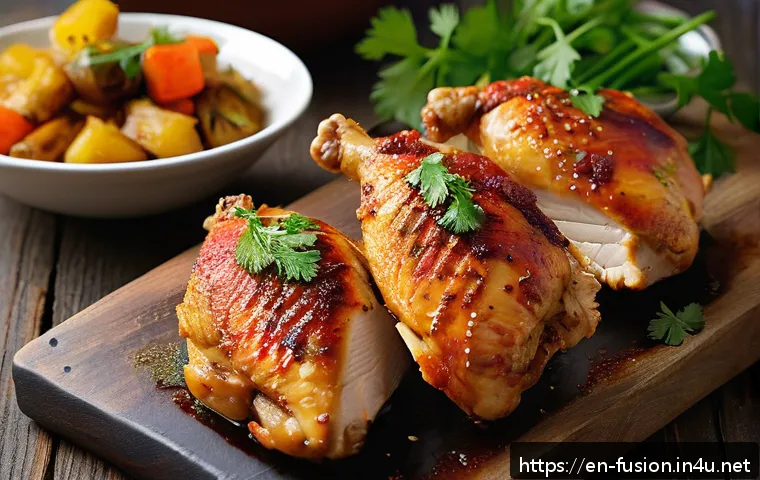
In recent years, fusion chicken recipes have taken the culinary world by storm, blending diverse flavors and techniques from different cultures into one delicious bite.
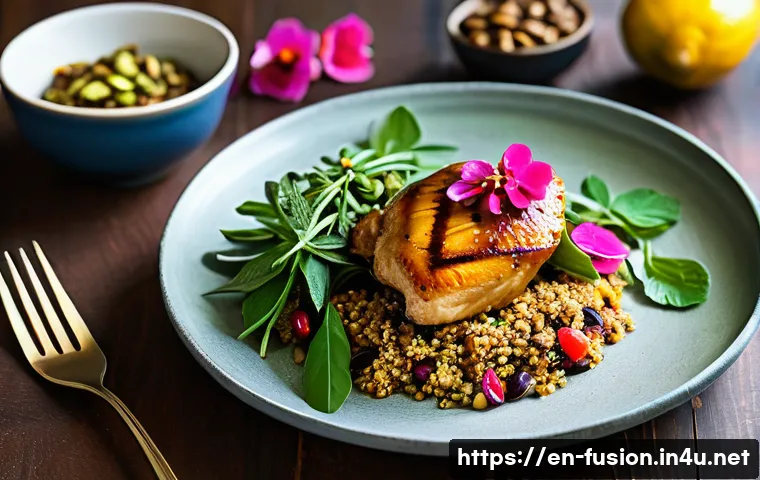
From Korean-inspired spicy wings to Mediterranean herb-infused roasts, the creativity behind these dishes continues to evolve rapidly. This trend not only satisfies adventurous palates but also reflects a growing global appetite for unique dining experiences.
As home cooks and chefs experiment with bold combinations, fusion chicken is becoming a staple on menus worldwide. Let’s dive deeper and explore the exciting flavors and innovations shaping this global phenomenon!
Exploring Bold Flavor Mashups in Fusion Chicken
Unconventional Spice Blends That Wow
One of the most thrilling aspects of fusion chicken recipes is how chefs and home cooks alike blend spices from different culinary traditions to create something uniquely flavorful.
For example, combining Indian garam masala with Mexican chipotle powder brings a smoky warmth that’s both familiar and surprising. I’ve personally tried marinating chicken in a mix of Moroccan ras el hanout and Korean gochugaru, and the result was a vibrant, spicy dish that kept me coming back for more.
These spice mashups don’t just add heat; they layer complexity, making every bite an adventure. It’s like traveling through multiple countries without leaving your kitchen.
Integrating Sauces from Around the World
Sauces are the unsung heroes of fusion chicken dishes, often marrying unexpected elements into a harmonious whole. Think about pairing classic American barbecue sauce with Japanese yuzu for a citrusy twist or mixing creamy Greek tzatziki with Indian chutneys for a refreshing yet tangy finish.
These combinations transform the chicken into a canvas for global flavor art. From my experience, experimenting with sauces is one of the easiest ways to dip your toes into fusion cooking because a simple drizzle or dip can completely change the dish’s character.
It’s a playground for your palate, where sweet, sour, spicy, and savory all come together.
Global Marinade Techniques That Elevate Texture
Beyond flavors, the way chicken is marinated plays a huge role in fusion recipes. Techniques like brining, yogurt-based marinades, or even fermenting with kimchi juices can dramatically alter the texture and taste.
For example, using a Caribbean jerk marinade with a hint of Italian balsamic vinegar creates a tender, juicy bird with a complex flavor profile. I once experimented by soaking chicken in a miso-tahini blend overnight, which produced an incredibly rich umami punch while keeping the meat moist.
These marinade styles borrowed from diverse cultures show how fusion cooking isn’t just about taste but also about transforming the eating experience.
Innovative Cooking Methods Enhancing Fusion Chicken
Smoking and Grilling with a Twist
Smoking and grilling have been staples in many cultures, but fusion chefs are now infusing these techniques with global influences. Imagine smoking chicken with African baobab wood for a tangy, fruity aroma or grilling with a Japanese binchotan charcoal to get that subtle, clean smokiness.
From personal trials, the choice of wood or charcoal can drastically change the flavor profile and elevate simple chicken to gourmet status. These methods aren’t just for backyard barbecues anymore; they’re experimental platforms where traditional meets contemporary, making each bite a discovery.
Steaming and Braising with Fusion Ingredients
While grilling gets a lot of attention, steaming and braising are quietly revolutionizing fusion chicken dishes. Steaming chicken with Thai lemongrass and Vietnamese ginger infuses delicate yet vibrant flavors, preserving the meat’s tenderness.
Braising chicken in a mix of French wine and North African preserved lemons creates a dish that’s both aromatic and deeply satisfying. I found that these moist cooking methods allow for deeper flavor penetration, making the chicken succulent and layered.
They’re perfect for those who prefer a softer texture but still crave bold, international tastes.
Innovative Use of Air Fryers and Sous Vide
Modern kitchen gadgets have also found their place in fusion chicken cooking. Using an air fryer to cook chicken coated in Caribbean jerk spices produces a crispy, less oily alternative that’s just as flavorful.
Meanwhile, sous vide allows precise control over cooking times and temperatures, which is ideal for delicate fusion recipes like Chinese five-spice chicken breast paired with Italian herb-infused butter.
I’ve noticed that these tools help maintain the integrity of complex marinades and spices while delivering perfect texture. They represent the future of home cooking, where technology meets creativity.
Global Ingredient Pairings That Surprise and Delight
Fruits and Herbs from Different Climates
Pairing chicken with fruits and herbs native to different parts of the world adds freshness and unexpected flavor layers. For instance, pairing Hawaiian pineapple with Middle Eastern sumac creates a tangy, tropical brightness that cuts through the richness of the meat.
Using Italian rosemary alongside Indian curry leaves in a marinade brings a fragrant complexity that elevates the dish. I personally love experimenting with these combinations because they bring balance—sweetness, acidity, and earthiness—in a way that keeps the palate curious and engaged.
Incorporating Nuts and Seeds for Texture
Adding nuts and seeds from various cuisines introduces crunch and nuttiness that complement the tender chicken. Toasted pistachios from the Mediterranean, sesame seeds from East Asia, or crushed peanuts from Southeast Asia all add unique textures and flavors.
I’ve enjoyed recipes where crushed macadamia nuts were used as a crust for chicken marinated in Caribbean spices, creating a rich and crunchy contrast that was simply addictive.
These ingredients also boost nutritional value, making fusion chicken dishes both tasty and wholesome.
Unexpected Dairy and Cheese Additions
Dairy elements like cheeses and creams are popping up in fusion chicken recipes to add richness and depth. For example, mixing Mexican crema with Indian paneer in a sauce creates a creamy but tangy coating that beautifully complements grilled chicken.
Incorporating French goat cheese with Middle Eastern za’atar spices in a stuffing provides a savory surprise. From my kitchen experiments, these dairy pairings soften bold spices and add a luxurious texture that makes the dish feel indulgent yet balanced.
Visual Appeal and Presentation in Fusion Chicken
Colorful Plating Inspired by World Cuisines
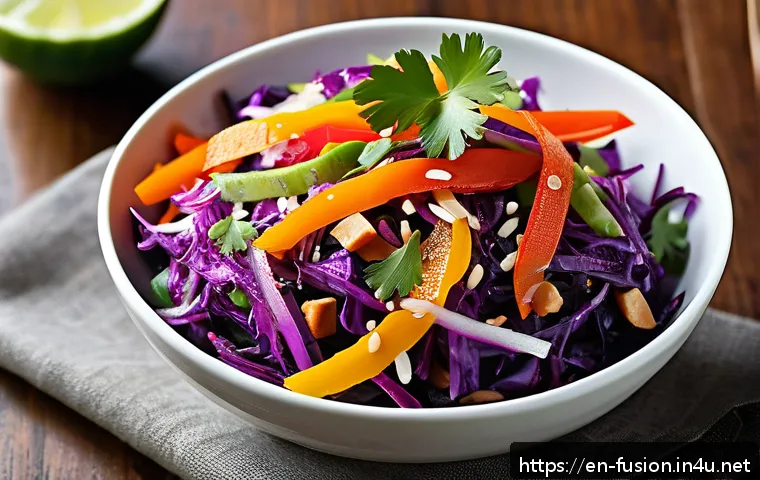
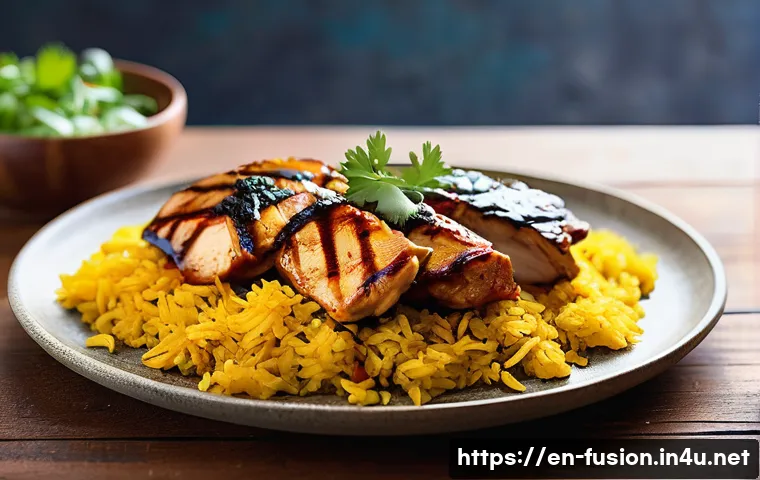
Fusion chicken dishes often look as vibrant as they taste, combining colorful ingredients from different cultures. Think bright orange turmeric rice alongside deep green chimichurri or a garnish of purple cabbage slaw with a fiery red harissa glaze.
I’ve found that plating with contrasting colors not only makes the dish more inviting but also stimulates appetite, especially when sharing on social media.
Presentation has become an art form in fusion cooking, where the visual story complements the taste journey.
Creative Use of Garnishes and Edible Flowers
Edible flowers and fresh herbs borrowed from various culinary traditions add a final flourish to fusion chicken plates. Nasturtiums, cilantro, or even rose petals can transform a simple dish into a stunning centerpiece.
I recently tried garnishing a Middle Eastern-Spanish fusion chicken dish with pomegranate seeds and mint leaves, which added bursts of color and freshness that elevated the entire meal.
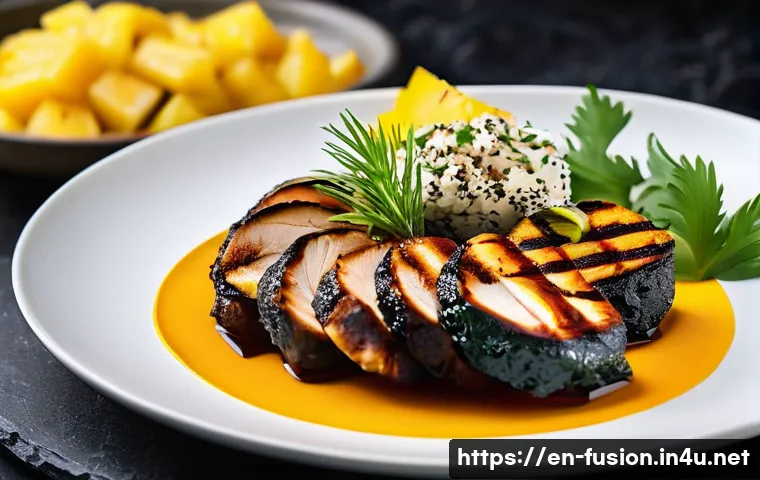
These little touches show attention to detail and a respect for aesthetics that diners appreciate.
Plating Styles That Reflect Cultural Fusion
The way fusion chicken dishes are plated often reflects the merging of cultures themselves. You might see a traditionally styled Japanese bento box presentation combined with Mexican street food elements like corn tortillas and pickled jalapeños.
In my experience, this blend of plating styles creates a sense of storytelling on the plate, making the dining experience more immersive and memorable.
It’s not just about the food—it’s about the culture and creativity behind it.
Health-Conscious Fusion Chicken Innovations
Incorporating Superfoods and Ancient Grains
Fusion chicken recipes are increasingly embracing health trends by integrating superfoods and ancient grains. Quinoa, farro, and millet paired with antioxidant-rich spices like turmeric and sumac create dishes that are both nourishing and flavorful.
I’ve personally enjoyed meals where grilled chicken was served on a bed of spiced quinoa pilaf, which felt hearty yet light. These ingredients not only boost nutrition but also add unique textures and flavors, making healthful eating exciting rather than restrictive.
Low-Carb and Keto-Friendly Variations
With rising interest in low-carb lifestyles, many fusion chicken recipes are adapting to fit keto or paleo diets. Swapping out traditional breading for crushed nuts or coconut flakes, or using cauliflower rice instead of regular grains, keeps the carb count low without sacrificing taste.
I experimented with a Thai-inspired chicken curry using coconut milk and plenty of fresh herbs, served over cauliflower rice, and it was both satisfying and guilt-free.
These adaptations show how fusion cooking can be inclusive of diverse dietary needs.
Plant-Based and Alternative Protein Pairings
Fusion dishes are also exploring the combination of chicken with plant-based elements for balanced meals. Pairing grilled chicken with spicy chickpea stews or lentil salads borrowed from Middle Eastern or Indian cuisine adds fiber and protein variety.
I’ve tried adding tempeh marinated in Korean gochujang alongside chicken, which created a harmonious mix of textures and flavors. This trend caters to flexitarians and those seeking more sustainable eating options while keeping the essence of fusion alive.
Fusion Chicken Recipe Inspiration and Practical Tips
Balancing Bold Flavors Without Overpowering
One challenge I’ve faced when creating fusion chicken dishes is finding the right balance so that no single flavor dominates. It’s important to layer spices and ingredients thoughtfully, letting each shine in harmony.
For example, if your marinade is intensely spicy, balance it with a cooling yogurt-based sauce or fresh herbs. I learned this the hard way after trying a dish that was too heavy on chili, which overwhelmed the other subtle notes.
Taking time to taste and adjust is key to success.
Ingredient Substitutions for Accessibility
Not everyone has access to exotic ingredients, but fusion cooking is all about creativity, so substitutions work well. For instance, if you can’t find sumac, a mixture of lemon zest and paprika can provide a similar tangy effect.
I often swap out specialty spices with more common pantry items, tweaking proportions to get close to the original flavor profile. This flexibility encourages home cooks to experiment without feeling restricted by ingredient availability.
Meal Prep and Storage for Busy Lifestyles
Fusion chicken dishes can be great for meal prep, especially when marinated overnight or cooked in bulk. I’ve found that many recipes freeze well, particularly grilled or braised versions, which makes weekday dinners easier without sacrificing flavor.
When reheating, adding a fresh squeeze of citrus or a sprinkle of fresh herbs can revive the dish. Planning ahead with these tips helps maintain the excitement of fusion flavors even on the busiest days.
| Aspect | Example | Flavor Profile | Cooking Method |
|---|---|---|---|
| Spice Blend | Garam Masala + Chipotle Powder | Smoky, Warm, Spicy | Marination & Grilling |
| Sauce Fusion | Barbecue Sauce + Yuzu | Citrusy, Sweet, Tangy | Glazing & Roasting |
| Marinade Style | Jerk Marinade + Balsamic Vinegar | Spicy, Tangy, Complex | Braising |
| Cooking Technique | Japanese Binchotan Charcoal Smoking | Clean, Subtle Smokiness | Smoking |
| Ingredient Pairing | Pineapple + Sumac | Tangy, Tropical Brightness | Grilling & Garnishing |
Conclusion
Fusion chicken offers an exciting playground for bold flavors, innovative cooking methods, and global ingredient pairings. Exploring these combinations not only elevates your meals but also brings a sense of culinary adventure right to your table. Whether you’re a seasoned cook or just starting out, fusion chicken inspires creativity and delicious discoveries every time.
Useful Information to Keep in Mind
1. Balancing strong spices with cooling elements like yogurt or fresh herbs can prevent overpowering flavors and create harmony in your dish.
2. Substituting hard-to-find ingredients with common pantry items allows you to experiment freely without feeling limited by availability.
3. Marinating chicken overnight enhances flavor depth and tenderness, making your cooking more rewarding.
4. Utilizing modern kitchen tools such as air fryers or sous vide can help maintain texture and flavor integrity in complex fusion recipes.
5. Preparing fusion chicken dishes in bulk and freezing portions is a convenient way to enjoy diverse flavors even during busy weekdays.
Key Takeaways
Successfully crafting fusion chicken dishes hinges on thoughtful flavor layering and technique experimentation. Don’t shy away from mixing spices, sauces, and global ingredients, but always taste and adjust to keep balance. Embrace flexible ingredient substitutions and modern cooking methods to fit your lifestyle and pantry. Most importantly, let your creativity guide you—fusion cooking is as much about the joy of discovery as it is about the final dish.
Frequently Asked Questions (FAQ) 📖
Q: What exactly defines a fusion chicken recipe?
A: Fusion chicken recipes blend cooking techniques, spices, and ingredients from different culinary traditions into one dish. For example, you might find a classic roast chicken seasoned with Mediterranean herbs combined with a spicy Korean chili glaze.
This mix of flavors and methods creates something new and exciting, appealing to those who love trying bold, unexpected tastes.
Q: Are fusion chicken dishes difficult to prepare at home?
A: Not at all! While some fusion recipes can be complex, many are quite approachable for home cooks. The key is experimenting with familiar ingredients in new ways—like adding a pinch of curry powder to your usual chicken marinade or tossing chicken wings in a tangy barbecue sauce infused with Asian spices.
I’ve found that starting with simple fusion ideas and gradually trying more adventurous combos makes the process fun and rewarding.
Q: Why has fusion chicken become so popular worldwide?
A: Fusion chicken dishes tap into people’s growing curiosity about global flavors and their desire for unique dining experiences. They offer a fresh twist on a universally loved protein, making meals more exciting without being intimidating.
Plus, with the rise of food blogs and social media, discovering and sharing creative fusion recipes has never been easier, fueling the trend’s rapid growth across restaurants and home kitchens alike.