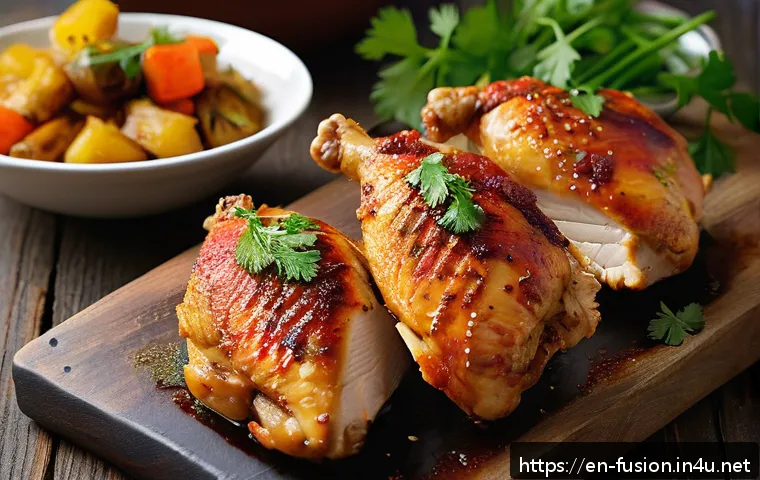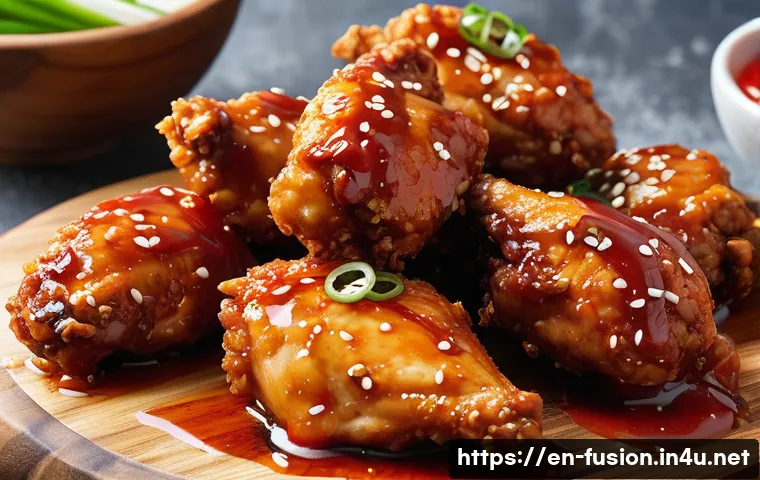
Fusion fried chicken has taken the culinary world by storm, blending bold flavors from different cultures into one crispy, mouthwatering bite. Whether it’s a spicy Korean twist or a tangy Caribbean glaze, this style of fried chicken elevates a classic favorite to something truly unforgettable.
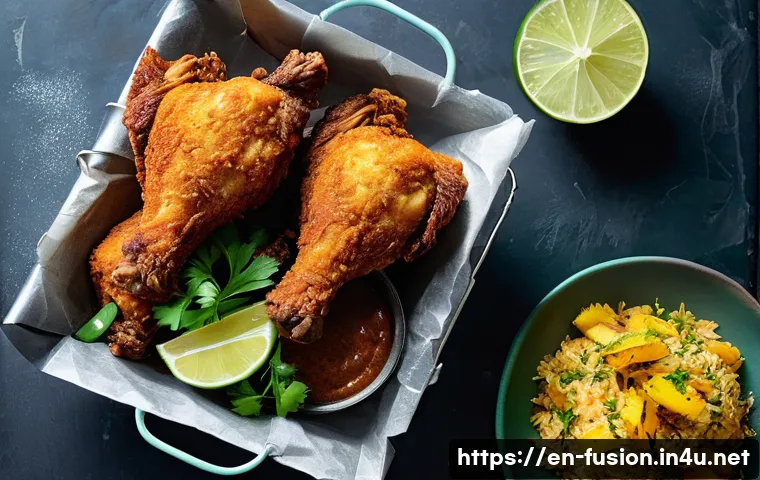
I’ve tried several fusion recipes myself, and the combination of unique marinades and perfect frying techniques makes all the difference. If you’re craving a dish that’s crispy on the outside, juicy on the inside, and bursting with exciting flavors, this is the one to try.
Let’s dive into the details and uncover how to make the best fusion fried chicken right at home!
Mastering the Marinade: Unlocking Bold Fusion Flavors
Choosing the Right Base for Your Marinade
When it comes to fusion fried chicken, the marinade is where the magic begins. I’ve found that starting with a solid base like buttermilk or yogurt not only tenderizes the chicken but also provides a creamy backdrop for bold flavors.
For example, a buttermilk base absorbs spices beautifully and keeps the meat juicy after frying. If you want a tangier twist, try using coconut milk or even a citrus juice blend, which pairs wonderfully with tropical or Caribbean-inspired seasonings.
The key is balancing acidity and richness to make sure the flavors deeply penetrate the chicken.
Incorporating Global Spice Blends
What sets fusion fried chicken apart is the unique mix of spices from different culinary traditions. I love experimenting with Korean gochujang paste for a spicy kick or Jamaican jerk seasoning for that smoky heat.
Blending these with garlic, ginger, and a touch of sweetness like honey or brown sugar creates a complex flavor profile that lingers on the palate. Don’t shy away from adding fresh herbs such as cilantro or lemongrass to brighten up the marinade, giving it a fresh, vibrant edge that cuts through the richness of the fried crust.
Timing and Technique for Maximum Flavor Infusion
Marinating time is just as crucial as what goes into the marinade. From my experience, letting the chicken soak for at least 6 hours, or even overnight, allows the flavors to fully develop and tenderize the meat.
However, if you’re short on time, even a quick 30-minute soak will impart some flavor. When marinating, be sure to keep the chicken refrigerated and covered to maintain freshness and safety.
I usually use zip-lock bags to ensure the marinade coats every inch of the chicken evenly.
Perfecting the Coating: Crispy, Crunchy, and Flavorful
Choosing Your Flour and Add-Ins
The coating is where texture plays a starring role. Plain all-purpose flour works well, but mixing in cornstarch or rice flour can elevate the crunch to a whole new level.
I like to add spices directly into the flour mixture—paprika, cayenne, or even a pinch of curry powder—to build flavor right into the crust. For a more rustic texture, crushed cornflakes or panko breadcrumbs can add that irresistible extra crunch, especially if you’re aiming for a fusion style that’s a bit more playful and bold.
The Double-Dredge Technique for Extra Crunch
One trick I swear by is the double-dredge method. After dipping the marinated chicken into the flour mixture, I dip it back into the marinade or an egg wash and then coat it again with the flour blend.
This double layer creates a thicker, crunchier crust that holds up well during frying and keeps the chicken juicy inside. It’s a bit more work, but the payoff is huge, especially when you want that perfect crispy bite with every mouthful.
Balancing Thickness and Crispiness
Finding the right balance between a thick coating and maintaining crispiness can be tricky. Too thick, and the crust can become doughy or heavy; too thin, and you lose that satisfying crunch.
I’ve found that slightly shaking off excess flour after dredging and letting the coated chicken rest on a wire rack for 15-20 minutes before frying helps the crust set and fry evenly.
This rest time also prevents the coating from sliding off during frying, giving you a perfectly crunchy bite every time.
Frying Techniques That Bring Out the Best in Fusion Chicken
Choosing the Ideal Frying Oil and Temperature
The type of oil and frying temperature make a huge difference in achieving that golden, crispy exterior without overcooking the inside. I prefer using oils with high smoke points like peanut or vegetable oil, which can handle the heat needed for frying.
Maintaining a consistent temperature around 350°F (175°C) is crucial; too hot, and the crust burns before the chicken cooks through; too cool, and the chicken absorbs excess oil and becomes greasy.
Using a thermometer is a game changer here—I never fry without one.
Shallow Frying vs. Deep Frying: Pros and Cons
Depending on your kitchen setup and preference, shallow frying can be a great option to control oil usage and still get a crispy crust. I’ve used shallow frying when making smaller batches or when cooking wings and found it gives a nice crust with less mess.
Deep frying, however, offers even cooking and a more uniform golden color, perfect for larger pieces like thighs or drumsticks. Whichever method you choose, keeping the oil temperature stable and not overcrowding the pan is key to crispy, non-greasy chicken.
Resting and Draining for Perfect Texture
Once the chicken is fried, resting it on a wire rack instead of paper towels helps keep the crust crispy by allowing excess oil to drip away without steaming the coating.
I usually let mine rest for at least 5 minutes before serving—this little patience pays off big time in texture and juiciness. If you’re serving a crowd, keeping fried chicken warm in a low oven (around 200°F) on a rack ensures the crust stays crisp without drying out the meat.
Exploring Popular Fusion Flavor Profiles
Korean-Style: Sweet, Spicy, and Umami-Packed
Korean fusion fried chicken is a favorite of mine because it perfectly balances heat and sweetness. The signature gochujang glaze brings a rich umami flavor with a fiery kick, often paired with a sticky honey or soy glaze to mellow out the spice.
I usually toss my fried chicken in this sauce right after frying, so every bite is bursting with flavor. Don’t forget the sesame seeds and scallions for that extra crunch and freshness that Korean cuisine nails so well.
Caribbean-Inspired: Tangy, Spicy, and Herbaceous
Caribbean-style fusion fried chicken is all about vibrant seasoning and fresh herbs. Jerk seasoning—a blend of allspice, thyme, scotch bonnet peppers, and garlic—creates a smoky, spicy coating that’s unforgettable.
I like to marinate the chicken with lime juice and ginger to add brightness and a slight zing. When fried, the crust has that fiery, aromatic quality that pairs beautifully with sides like rice and peas or fried plantains.
Japanese Influence: Light, Crispy, and Delicate
Japanese fusion fried chicken, or karaage, uses a lighter soy-based marinade with ginger and garlic, and the coating often includes potato starch for an ultra-crispy yet delicate crust.
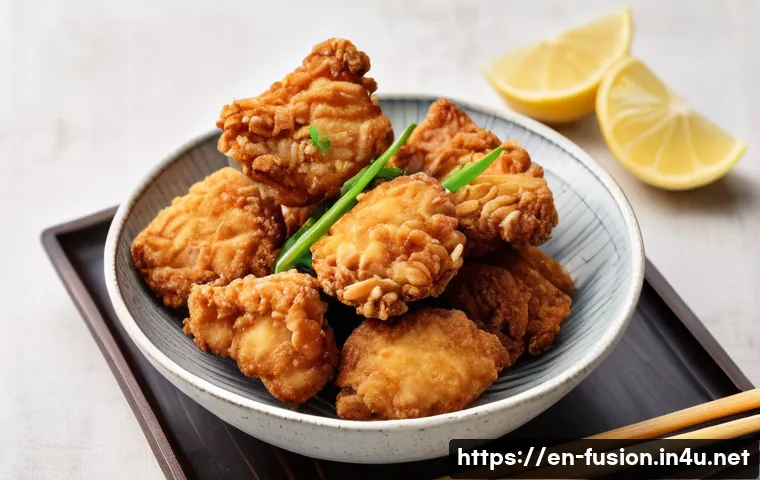
This style is less greasy and more refined, with a subtle savory profile. I find that dipping karaage in a bit of Japanese mayo or ponzu sauce enhances the flavor even more.
It’s perfect for those who want fusion fried chicken without overwhelming heat or heaviness.
Essential Tools and Ingredients for Home Cooks
Must-Have Kitchen Equipment
Having the right tools makes the frying process so much easier and safer. A heavy-bottomed cast iron skillet or a deep fryer with temperature control is ideal for consistent heat.
I also recommend a reliable instant-read thermometer to monitor oil temperature and a wire cooling rack to drain fried chicken properly. A large mixing bowl or zip-lock bags for marinating help keep things tidy and efficient.
Investing in these basics will elevate your cooking experience and results dramatically.
Key Ingredients to Stock Up On
For fusion fried chicken, keep staples like buttermilk, cornstarch, and a variety of spices on hand. Asian condiments like gochujang, soy sauce, and sesame oil open up many flavor possibilities, while Caribbean spices such as allspice and scotch bonnet powder bring exciting heat.
Don’t forget versatile sweeteners like honey or brown sugar for balancing spice and acidity. Fresh herbs—cilantro, scallions, and thyme—add brightness and complexity.
Having these ingredients ready encourages creativity and lets you whip up fusion flavors any time.
Ingredient Substitutions for Dietary Preferences
If you or your guests have dietary restrictions, fusion fried chicken can still shine with a few tweaks. For gluten-free options, swap all-purpose flour with rice flour or a gluten-free flour blend, and use tamari instead of soy sauce.
If dairy is a concern, coconut milk or a plant-based yogurt can replace buttermilk for marinating. For lower-fat cooking, consider oven-baking or air-frying instead of deep frying—these methods still produce a satisfying crunch without excess oil.
Flavor and Texture Comparison of Popular Fusion Styles
| Fusion Style | Key Marinade Ingredients | Coating Type | Flavor Profile | Texture |
|---|---|---|---|---|
| Korean | Gochujang, soy sauce, garlic, honey | Flour & cornstarch with spices | Sweet, spicy, umami-rich | Crunchy crust, juicy inside |
| Caribbean | Jerk spices, lime juice, ginger | Flour with allspice and herbs | Smoky, tangy, spicy | Thick, crispy crust |
| Japanese (Karaage) | Soy sauce, ginger, garlic | Potato starch or rice flour | Light, savory, delicate | Ultra-crispy, light crust |
| Southern Fusion | Buttermilk, hot sauce, paprika | Flour with cayenne & black pepper | Spicy, smoky, rich | Thick, crunchy, hearty |
Creative Serving Ideas to Elevate Your Fusion Fried Chicken
Pairing with Complementary Sides
Serving fusion fried chicken alongside the right sides can turn a meal into an experience. I love pairing Korean-style chicken with pickled radishes or kimchi to balance the heat and add crunch.
Caribbean chicken shines with coconut rice or fried plantains, which complement the spicy, tangy flavors. For Japanese karaage, a simple cucumber salad or steamed rice keeps the meal light and refreshing.
These thoughtful pairings enhance every bite and elevate your dinner table.
Incorporating Fusion Chicken into Bowls and Wraps
One of my favorite ways to enjoy leftover fusion fried chicken is by turning it into bowls or wraps. Toss the crispy chicken over a bed of greens, rice, and fresh veggies with a drizzle of fusion-inspired sauces like spicy mayo or jerk aioli.
Wrapping the chicken in lettuce leaves or flatbreads with pickled vegetables and herbs adds a handheld element that’s perfect for casual gatherings or lunch on the go.
This versatility keeps the dish exciting and adaptable.
Creative Sauces and Dips to Complement the Crunch
Sauces can make or break the final experience. I’m a big fan of mixing classic flavors with unexpected twists—like a honey-sriracha dip for sweet heat or a tangy mango chutney to brighten the palate.
A creamy avocado-lime dip or a smoky chipotle aioli also pairs beautifully with crispy fried chicken. Experimenting with different sauces lets you customize the dish for your taste and adds another layer of flavor complexity to every bite.
Conclusion
Mastering the art of fusion fried chicken opens up endless possibilities to enjoy bold and exciting flavors from around the world. By thoughtfully combining marinades, coatings, and frying techniques, you can create a dish that’s crispy, juicy, and packed with personality. Whether you’re aiming for Korean spice, Caribbean zest, or Japanese delicacy, the key lies in balancing textures and flavors. With a bit of practice and creativity, you’ll impress family and friends with every bite.
Useful Tips to Remember
1. Always marinate your chicken for at least 6 hours to ensure deep flavor penetration and tender meat.
2. Use a combination of flours like cornstarch or rice flour to achieve that irresistible crunchy coating.
3. Maintain a consistent frying temperature around 350°F (175°C) to avoid greasy or burnt crusts.
4. Rest fried chicken on a wire rack to keep the crust crisp and prevent sogginess.
5. Experiment with sauces and sides to complement your fusion flavors and elevate the overall meal experience.
Key Takeaways for Success
Choosing the right marinade base and spice blend is essential to defining your fusion fried chicken’s character. Don’t underestimate the importance of marinating time and proper coating techniques for texture and flavor. Consistent frying temperature and resting the chicken afterward are critical steps to achieve that perfect crispy crust and juicy interior. Finally, thoughtful pairing with sides and sauces enhances the dish, making your fusion fried chicken truly unforgettable.
Frequently Asked Questions (FAQ) 📖
Q: What makes fusion fried chicken different from traditional fried chicken?
A: Fusion fried chicken stands out because it combines flavors and techniques from multiple culinary traditions, creating a unique taste experience. Unlike traditional fried chicken, which typically relies on classic seasoning and batter, fusion versions might include Korean gochujang marinades, Caribbean jerk spices, or Japanese panko crusts.
This blend results in a crispy exterior and juicy interior with unexpected, bold flavors that you won’t find in a standard recipe.
Q: How can I achieve the perfect crispy texture when making fusion fried chicken at home?
A: Getting that perfect crunch starts with the right coating and frying method. Personally, I’ve found that double-dipping the chicken—first in a seasoned wet batter, then in a dry flour or panko mixture—creates an incredible crust.
Also, maintaining the oil temperature around 350°F (175°C) is key; too hot and it burns, too low and it gets soggy. Letting the chicken rest on a wire rack after frying helps keep the crust crisp by preventing steam buildup.
Q: What are some easy fusion marinade ideas for someone new to fusion cooking?
A: If you’re just starting out, try simple yet flavorful marinades like a mix of soy sauce, garlic, and honey for an Asian-inspired glaze, or a blend of lime juice, allspice, and Scotch bonnet peppers for a Caribbean kick.
These marinades are easy to prepare, don’t require exotic ingredients, and really infuse the chicken with exciting flavors. From my experience, marinating for at least a few hours—or better yet, overnight—makes a huge difference in taste.