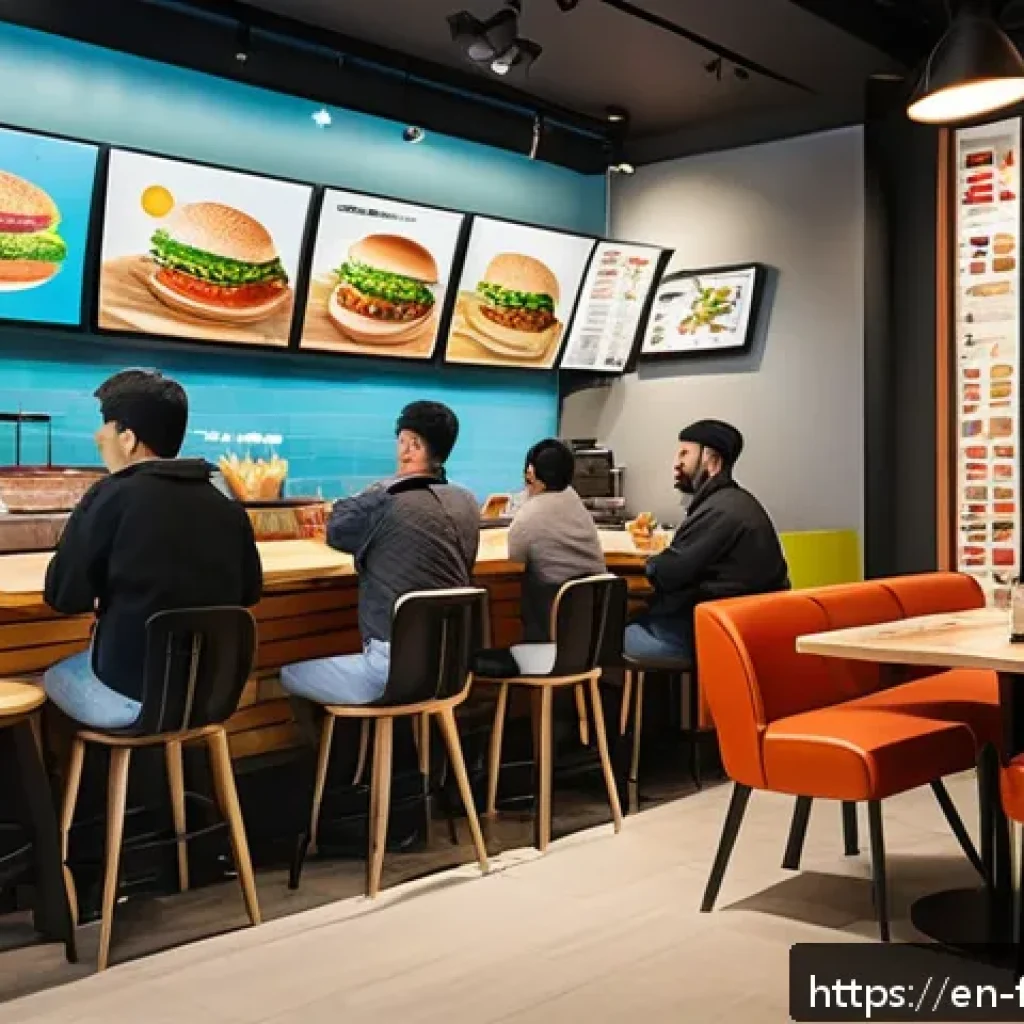
In today’s fast-paced world, global fast food chains are more than just quick meal options—they’re cultural phenomena shaping tastes and lifestyles everywhere.
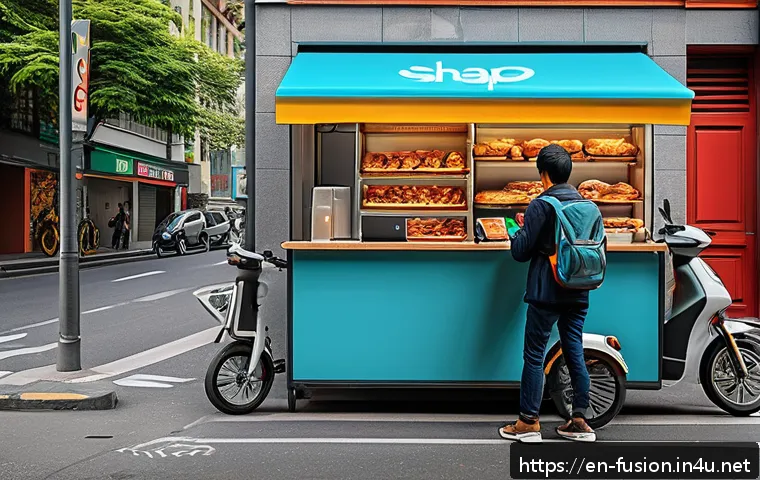
As new players enter the scene and menus evolve to meet diverse palates, the battle for the top spot intensifies. Whether it’s the price that draws you in, the flavor that keeps you coming back, or how well they adapt to local culture, these giants are constantly competing on multiple fronts.
Join me as we dive into how the biggest fast food brands stack up in taste, affordability, and cultural relevance. Trust me, after exploring this, your next meal choice might just become a strategic decision rather than a simple craving!
Flavor Profiles That Keep You Coming Back
Signature Tastes and Regional Twists
Every fast food giant has its own flavor identity, crafted to appeal broadly but with subtle local adaptations. For example, a classic burger at one chain might be a universal favorite, but throw in regional spices or toppings, and suddenly it resonates more deeply with local customers.
I’ve noticed this especially in chains that have expanded into Asia or Latin America, where they often introduce menu items incorporating familiar ingredients like kimchi or guacamole.
This strategy not only broadens their appeal but also creates a sense of cultural respect and connection. It’s fascinating how a simple tweak in seasoning or sauce can transform a standard menu item into a local sensation.
Balancing Health Trends with Indulgence
The challenge for these brands is striking the right balance between indulgent comfort food and the growing demand for healthier options. Personally, I’ve seen menus evolve dramatically over the past few years, with more grilled options, salads, and plant-based alternatives.
What’s interesting is how some chains manage to keep their classic, crave-worthy items while introducing these healthier choices without alienating their core customers.
It’s a careful dance, and the ones who get it right tend to maintain a loyal following that spans multiple generations.
Flavor Innovation as a Competitive Edge
Innovation in flavor keeps the excitement alive. Limited-time offers, seasonal specials, and collaborations with celebrity chefs or popular food trends create buzz that draws people in.
I remember when a major chain launched a spicy chicken sandwich that quickly became a viral sensation, causing lines to form and social media to explode with reviews and reactions.
This kind of flavor experimentation not only drives short-term sales but also reinforces the brand’s image as dynamic and in tune with contemporary tastes.
Pricing Strategies That Attract Diverse Audiences
Value Menus and Bundle Deals
One of the first things I check before heading into a fast food joint is their value menu. These menus are a powerful tool to attract budget-conscious customers, especially students and families.
Chains that offer appealing combo deals or “meal for two” options tend to do well in densely populated urban areas where quick, affordable meals are a priority.
What’s more, these deals often encourage upselling – a small upgrade can lead to a higher overall spend, which benefits the business while still feeling like a bargain to the customer.
Premium Offerings for the Foodie Crowd
On the flip side, some brands are exploring premium pricing for gourmet-style options. I’ve personally tried some of these upscale menu items, like truffle-infused burgers or artisanal sandwiches, and they definitely command a higher price point.
This tiered pricing approach allows chains to tap into different market segments, from the everyday fast food consumer to those looking for a more refined experience.
It’s a smart way to maximize revenue without diluting the brand’s core identity.
Regional Price Adjustments and Currency Impact
Pricing isn’t just about the menu; it’s also about adapting to local economies. When I traveled across Europe, I noticed how the same burger could vary significantly in price depending on the country’s cost of living and currency strength.
This localization ensures competitiveness in each market and helps maintain steady sales volumes. Chains that fail to adjust pricing risk alienating customers or eroding their profit margins.
Adapting to Local Culture and Consumer Preferences
Menu Customization and Cultural Sensitivity
A global fast food brand’s success often hinges on its ability to respect and reflect local customs and dietary restrictions. For instance, in predominantly vegetarian regions or countries with religious dietary laws, brands have developed entirely separate menus or options to accommodate these needs.
I recall visiting India and being impressed by the extensive vegetarian choices and the absence of beef on many menus, which showed a deep understanding of cultural sensitivities.
Marketing Campaigns That Speak the Local Language
Beyond the food, marketing plays a huge role in cultural adaptation. I’ve observed how campaigns featuring local celebrities, holidays, or even humor resonate more effectively than generic global advertisements.
This localization builds emotional connections and makes the brand feel like part of the community rather than an outsider. The use of regional dialects or slang in ads often adds an authentic touch that audiences appreciate.
Community Engagement and Corporate Responsibility
Many chains are stepping up their game by engaging with local communities through charity work, sponsorships, or sustainability initiatives. From my experience attending some of these events, it’s clear that customers notice and value when a brand invests back into their neighborhoods.
This approach not only enhances brand loyalty but also aligns with the growing consumer demand for ethical business practices.
Speed and Convenience in the Digital Age
Drive-Thru Innovations and Mobile Ordering
Speed has always been a cornerstone of fast food, but technology has taken it to a new level. Mobile apps for ordering ahead, contactless payment options, and streamlined drive-thru lanes have all improved convenience dramatically.
Personally, I find that using an app to skip the line saves me at least 10 minutes during busy lunch hours. Chains that invest in these digital tools tend to attract tech-savvy customers and reduce wait times, which keeps satisfaction high.
Delivery Services and Third-Party Partnerships
Delivery has become a huge growth area, especially in urban centers where people prefer eating at home or in the office. Partnering with platforms like Uber Eats or DoorDash allows fast food brands to reach customers beyond their physical locations.
However, I’ve also noticed that delivery fees and packaging quality can affect the overall experience. Brands that manage these factors well maintain better reputations and higher repeat orders.
Innovative Store Formats and Urban Footprints
To meet changing consumer habits, some chains are experimenting with smaller, express stores designed for quick pick-up or focused on delivery only. Walking through downtown areas, I’ve seen these compact outlets thrive in busy neighborhoods where space is limited but demand is high.
These innovative formats help brands stay visible and accessible without the overhead of traditional full-sized restaurants.
Global Brand Recognition vs. Local Loyalty
Iconic Branding and Consistent Experience
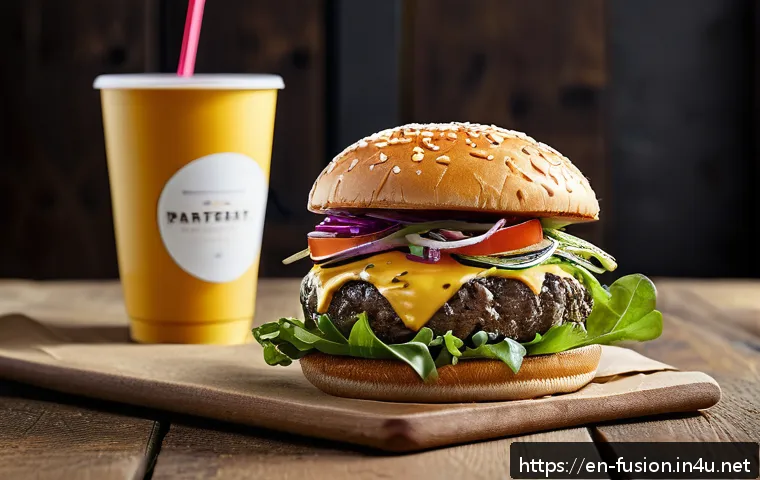
One undeniable strength of global fast food brands is their instantly recognizable logos, packaging, and store design. This consistency builds trust because customers know exactly what to expect, whether they’re in New York, Tokyo, or Paris.
From my own travels, grabbing a familiar burger after a long day provides a comforting sense of familiarity amid new surroundings. This global recognition is a powerful asset that new entrants struggle to match.
Challenges in Winning Local Hearts
Despite their global clout, some brands face difficulties winning over local customers who prefer homegrown chains or traditional food. I’ve seen cases where the arrival of a global player sparked initial curiosity but failed to maintain momentum due to perceived lack of authenticity or cultural disconnect.
These examples highlight the importance of genuine local engagement beyond just menu tweaks.
Collaborations with Local Businesses and Influencers
A smart way to bridge the gap between global and local is through partnerships. Brands that collaborate with local suppliers, chefs, or social media influencers often enjoy enhanced credibility and relevance.
In my experience, limited-time menu items created in partnership with popular local figures generate buzz and drive foot traffic, creating a win-win situation for both parties.
Comparing Key Fast Food Chains at a Glance
| Brand | Signature Menu Item | Average Meal Price | Localization Efforts | Digital Convenience Features |
|---|---|---|---|---|
| McDonald’s | Big Mac | $6.50 | Regional burgers, extensive vegetarian options | Mobile ordering, delivery partnerships, self-service kiosks |
| Subway | Footlong Subs | $7.00 | Customized subs with local bread and toppings | App ordering, nutritional customization tools |
| KFC | Original Recipe Chicken | $8.00 | Spicy regional chicken variants, halal-certified menus | Online ordering, drive-thru enhancements |
| Burger King | Whopper | $6.75 | Menu items with local sauces and flavors | Mobile app deals, delivery integration |
| Chipotle | Burritos and Bowls | $8.50 | Locally sourced ingredients, customizable options | App pre-ordering, fast pick-up lanes |
Customer Experience: More Than Just Food
Atmosphere and Store Design
The environment where you enjoy your meal plays a surprisingly big role in the overall experience. I’ve noticed that chains investing in modern, clean, and comfortable dining spaces tend to attract more repeat customers.
Some even use local art or design elements to create a unique vibe that differentiates them from competitors. This attention to detail makes dining out feel less rushed and more enjoyable.
Staff Friendliness and Service Speed
Interacting with friendly and efficient staff can make all the difference. From my own visits, a quick greeting and a smile go a long way toward making the meal feel like more than just fast food.
Chains that train their teams well and empower them to solve problems promptly tend to leave a better impression. This human touch often turns a one-time customer into a loyal fan.
Handling Complaints and Feedback
No brand is perfect, but how they handle mistakes says a lot. I’ve seen some chains respond publicly and swiftly to customer complaints on social media, offering apologies or compensation.
This transparency builds trust and shows that the brand values its customers. Conversely, ignoring or dismissing feedback can cause lasting damage to reputation, especially in today’s connected world.
Environmental Impact and Sustainability Initiatives
Packaging Innovations and Waste Reduction
Sustainability is no longer optional; it’s a customer expectation. Many fast food chains are redesigning packaging to be recyclable or compostable, which I’ve seen firsthand in major cities where waste regulations are strict.
Some brands also encourage customers to bring their own containers or offer incentives for sustainable choices, signaling a genuine commitment to reducing environmental impact.
Energy Efficiency and Supply Chain Transparency
Beyond packaging, brands are investing in energy-efficient kitchen equipment and greener supply chains. I recently read about chains sourcing ingredients from local farms to cut down on transportation emissions and support local economies.
This not only reduces their carbon footprint but also appeals to eco-conscious consumers who want to know where their food comes from.
Challenges in Balancing Growth and Green Goals
Rapid expansion and high volume sales can complicate sustainability efforts. From what I’ve observed, brands that grow responsibly—by incorporating green practices early—tend to avoid backlash and costly retrofits later.
It’s a tricky balance to maintain profitability while meeting ever-increasing environmental standards, but those who succeed set a new industry benchmark.
Conclusion
In today’s fast-paced world, the success of fast food chains hinges on their ability to blend global consistency with local relevance. From innovative flavors to adaptive pricing and cultural sensitivity, these brands continuously evolve to meet diverse customer needs. Embracing technology and sustainability further strengthens their connection with modern consumers. Ultimately, the brands that listen, adapt, and innovate will keep customers coming back time and again.
Helpful Information
1. Understanding regional flavor adaptations helps appreciate how global brands connect with local tastes.
2. Balancing indulgence with healthier options is key to attracting a broad customer base.
3. Pricing strategies like value menus and premium offerings cater to different market segments effectively.
4. Leveraging digital tools such as mobile ordering and delivery services enhances convenience and customer satisfaction.
5. Sustainability efforts, including eco-friendly packaging and energy-efficient operations, are becoming essential for brand loyalty.
Key Takeaways
Successful fast food brands master the art of localization by tailoring menus and marketing to cultural preferences while maintaining a recognizable global identity. They invest in technology to improve speed and convenience, which appeals to today’s busy consumers. Moreover, balancing affordability with premium choices allows them to serve a wide audience. Finally, a genuine commitment to sustainability and community engagement builds trust and long-term loyalty, setting leading brands apart in a competitive market.
Frequently Asked Questions (FAQ) 📖
Q: How do global fast food chains adapt their menus to local cultures?
A: Many global fast food brands tweak their menus to better suit local tastes and dietary preferences. For example, you might find vegetarian options in India, spicy variations in Mexico, or seafood specialties in Japan.
This localization helps brands connect with customers on a cultural level, making the dining experience feel more familiar and appealing. From my experience visiting different countries, these adaptations often make the food feel less generic and more tailored, which can be a big factor in why some chains thrive globally.
Q: What factors influence the affordability of fast food across different countries?
A: Affordability in fast food depends on several factors including local labor costs, ingredient sourcing, taxes, and economic conditions. For instance, a burger that costs $3 in the U.S.
might be priced differently in Europe or Asia due to these variables. Additionally, promotions and value menus play a crucial role in attracting budget-conscious consumers.
From what I’ve seen, chains that strike the right balance between price and quality tend to win loyal customers, especially in competitive markets where every dollar counts.
Q: Why does cultural relevance matter for fast food brands competing globally?
A: Cultural relevance is key because it influences how well a brand resonates with local consumers beyond just the food. Brands that respect local customs, holidays, and eating habits tend to build stronger emotional connections.
For example, offering special menu items during local festivals or adjusting marketing messages to reflect cultural values can make a huge difference.
Personally, I find that fast food places that embrace cultural nuances feel more authentic and trustworthy, which definitely impacts my choice to return or recommend them to friends.