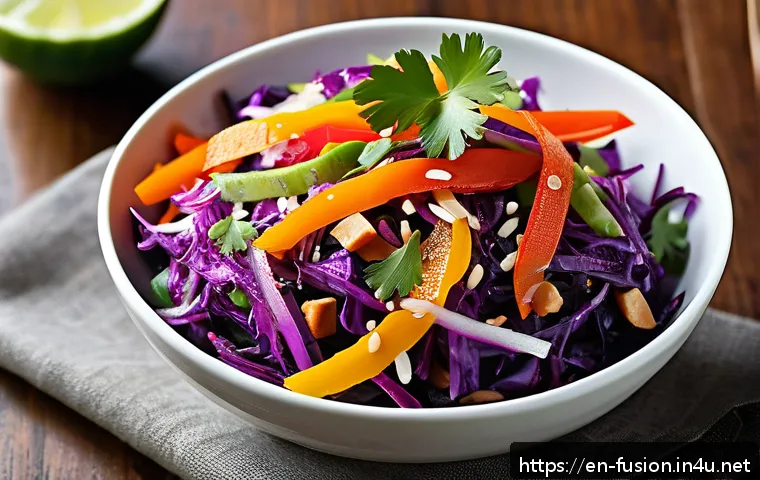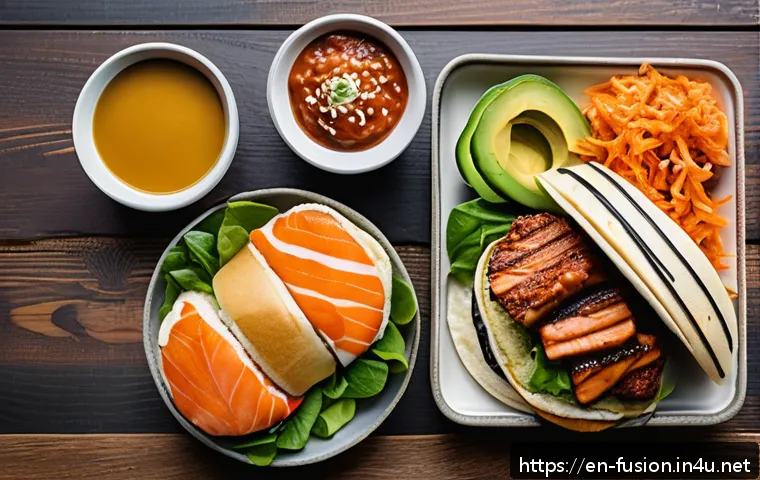
Lately, fusion fast food has taken the culinary world by storm, blending flavors from different cultures into one exciting bite. But with the rise of these creative dishes, many are wondering how they stack up nutritionally compared to traditional fast food options.
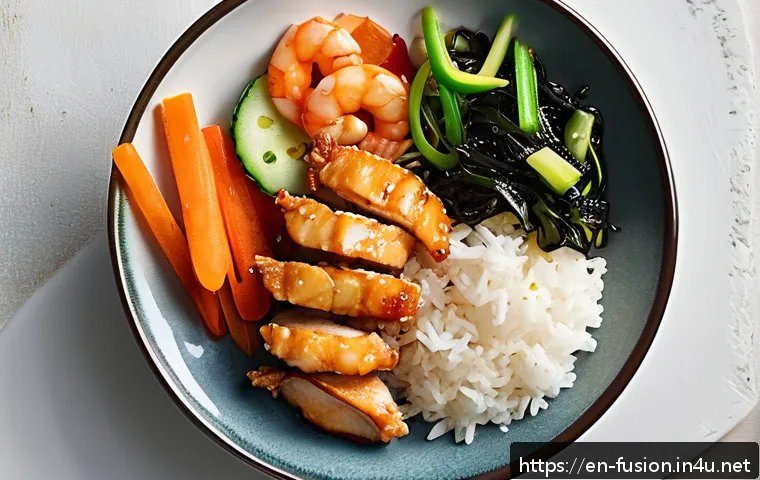
If you’ve ever hesitated before ordering that trendy fusion taco or sushi burger, you’re not alone. Today, we’re diving into the nutritional breakdown of popular fusion fast foods to help you make smarter choices without sacrificing flavor.
Whether you’re a health-conscious foodie or just curious, this guide will give you insights you won’t want to miss. Stick around—your next meal decision might just get a lot easier.
Balancing Calories and Portions in Fusion Fast Food
Understanding Serving Sizes in Fusion Dishes
Fusion fast food often surprises people with its portion sizes, which can vary widely compared to traditional fast food. For example, a sushi burger might seem smaller than a regular beef burger, but the dense rice and sauces can pack in more calories than expected.
From my own experience, it’s easy to underestimate how filling—or calorie-dense—these meals can be just based on appearance. Paying attention to serving sizes is key to avoiding unintended calorie overload, especially since fusion dishes tend to combine ingredients that are rich individually, like fried elements paired with creamy dressings.
Calorie Comparison: Fusion vs. Classic Fast Food
When I first started trying fusion fast food, I thought these dishes would be lighter since they often feature fresh ingredients like fish or vegetables.
However, many fusion options actually rival or exceed traditional fast food in calories due to the combination of fried components, cheese, and sugary sauces.
For example, a Korean BBQ taco might have marinated meat, kimchi, and mayo-based sauces, which can drive the calorie count higher than a simple beef taco.
Understanding this helps me balance indulgence with nutritional awareness without feeling like I’m missing out on flavor.
Tips for Managing Portion Control
One practical approach I use is sharing fusion dishes or pairing them with lighter sides like salads instead of fries. Since fusion meals are often rich and flavorful, a smaller portion can still satisfy cravings.
Also, many restaurants now list nutrition info online, so checking that before ordering can be a game changer. Trust me, it’s much easier to enjoy a flavorful taco or sushi burger when you know how it fits into your daily calorie goals.
Macronutrient Profiles and Their Impact on Energy
Protein Power in Fusion Fast Food
Protein content in fusion fast food can be surprisingly high, especially when dishes include meats like grilled chicken, pork belly, or seafood. From my own meals, I noticed fusion tacos with Korean-style bulgogi or teriyaki salmon pack a solid protein punch, which keeps me full longer compared to carb-heavy options.
This is great if you’re looking to fuel workouts or maintain muscle mass, but it’s important to be mindful of how these proteins are prepared—grilling versus deep-frying can make a huge difference in overall health impact.
Carbohydrates: Not Just About Bread and Rice
Fusion fast food often blends different carb sources, such as combining rice with tortillas or adding sweet glazes to noodles. While carbs provide quick energy, the type and amount matter.
I’ve found that dishes like sushi burritos or bao buns can have a double dose of carbs, which might spike blood sugar levels if eaten frequently. Balancing these with fiber-rich veggies or choosing options with whole grains can help mitigate those effects.
Fats: The Flavor Boosters
One thing that stands out in fusion cuisine is the generous use of fats—think spicy mayo, avocado, or tempura batter. While fats enhance taste and texture, they also raise calorie density.
Personally, I try to enjoy these fats mindfully, knowing that while some fats like those from avocado are healthy, others from fried or creamy sauces should be consumed in moderation.
This balance helps me savor the dish without feeling sluggish afterward.
How Sodium Levels Compare and What That Means
Hidden Sodium in Sauces and Marinades
One of the sneaky aspects of fusion fast food is the high sodium content, mainly from soy sauces, pickled vegetables, and flavor-packed marinades. I remember ordering a fusion taco with kimchi and bulgogi, and later realized the sodium was through the roof.
Excess sodium can cause bloating and increase blood pressure, so it’s something to keep an eye on, especially if you’re eating fusion fast food regularly.
Impact of Sodium on Hydration and Health
High sodium intake can leave you feeling thirsty and bloated, which I’ve personally noticed after indulging in particularly salty fusion dishes. This can disrupt hydration balance and sometimes lead to headaches or sluggishness.
Drinking plenty of water helps, but it’s better to opt for lower-sodium versions or balance the meal with fresh veggies and fruits.
Strategies to Reduce Sodium Intake
When I want to enjoy fusion fast food without overdoing sodium, I ask for sauces on the side or choose dishes that emphasize fresh herbs and spices over salty condiments.
Many places are now more accommodating to these requests, which is a relief. Also, pairing the meal with water or unsweetened tea helps flush out excess sodium effects.
Vitamins, Minerals, and the Nutritional Bonus
Vegetables and Herbs Boosting Micronutrients
Fusion fast food often incorporates a wide variety of vegetables and herbs, which can significantly increase vitamin and mineral intake. I’ve noticed that dishes like Vietnamese banh mi tacos or poke bowls include fresh cilantro, pickled carrots, and seaweed, which add antioxidants and essential nutrients.
These ingredients often get overlooked but play a crucial role in making fusion meals more balanced.
Seafood’s Role in Providing Omega-3s
Many fusion dishes feature seafood like salmon, tuna, or shrimp, which are excellent sources of omega-3 fatty acids. In my experience, these healthy fats help improve brain function and reduce inflammation, making the meal not only tasty but also beneficial.
However, the cooking method matters—raw or grilled fish retain these nutrients better than fried versions.
Fortified Ingredients and Supplements
Some fusion fast food items are now made with fortified ingredients like calcium-enriched tortillas or vitamin-fortified sauces. I came across a fusion taco spot that used a whole grain tortilla enriched with iron, which was a pleasant surprise.
These small additions can make a difference, especially for people with dietary restrictions or higher nutrient needs.
Comparing Sugar Content and Its Effects
Sugars Hidden in Fusion Sauces
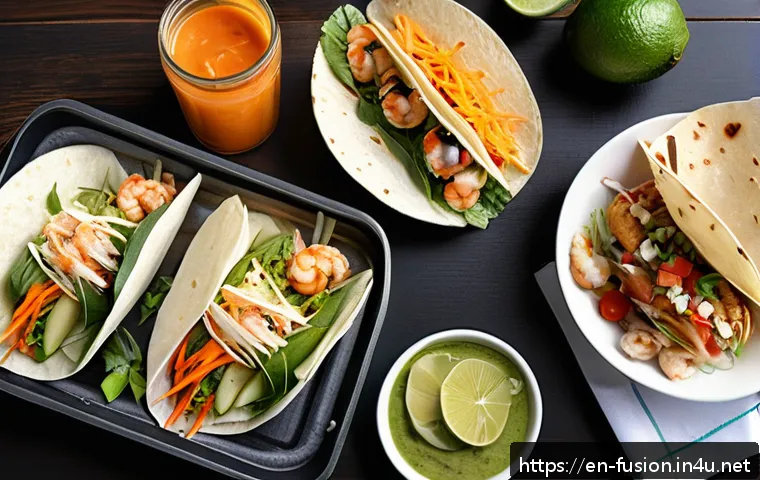
Fusion fast food often uses sweet sauces like teriyaki, hoisin, or sweet chili, which can pack a lot of sugar. From what I’ve tasted, these sauces add a delicious contrast but can quickly increase the sugar content of a meal.
This is something I watch closely because excess sugar can lead to energy crashes and weight gain over time.
Natural vs. Added Sugars
While natural sugars from fruits or vegetables are part of many fusion dishes, added sugars in dressings or glazes are the real concern. For instance, mango salsa on a taco might be fine, but a sweet mayo drizzle can tip the sugar scale.
Distinguishing between these helps me make smarter choices without giving up on flavor.
Managing Sugar Intake Without Sacrificing Taste
I’ve found that asking for sauces on the side or choosing dishes with more savory or spicy profiles helps keep sugar in check. Also, pairing the meal with unsweetened beverages instead of soda reduces overall sugar consumption.
These small changes let me enjoy fusion fast food guilt-free.
Fusion Fast Food Nutrition at a Glance
| Dish Type | Average Calories | Protein (g) | Carbohydrates (g) | Fat (g) | Sodium (mg) | Sugar (g) |
|---|---|---|---|---|---|---|
| Sushi Burger | 550 | 30 | 45 | 25 | 900 | 6 |
| Korean BBQ Taco | 600 | 35 | 40 | 28 | 1100 | 8 |
| Vietnamese Banh Mi Wrap | 480 | 25 | 50 | 20 | 850 | 5 |
| Teriyaki Chicken Bowl | 650 | 40 | 55 | 22 | 1200 | 12 |
| Shrimp Tempura Taco | 580 | 28 | 48 | 30 | 950 | 7 |
Making Smarter Choices When Ordering Fusion Fast Food
Reading Menus with a Nutritional Eye
I always take a moment to scan the menu for clues about how dishes are prepared. Words like “grilled,” “fresh,” or “light” usually hint at healthier options, while “fried,” “creamy,” or “loaded” often mean higher calories and fats.
Over time, this habit has helped me avoid meals that might taste great but leave me feeling heavy or lethargic afterward.
Customizing Orders to Fit Your Goals
Many fusion restaurants are open to customizations. I often ask for sauces on the side, substitute fried components with grilled ones, or request extra veggies to boost fiber.
These tweaks don’t compromise flavor but can make a big difference nutritionally. It’s empowering to know you can tailor your meal without losing that fusion flair.
Balancing Fusion Meals with Daily Nutrition
Since fusion fast food can be indulgent, I try to balance it with lighter meals earlier or later in the day. Incorporating plenty of water, fruits, and vegetables helps offset some of the richness.
From personal experience, this approach keeps me energized and prevents the guilt that sometimes follows fast food indulgence.
How Fusion Fast Food Fits Into a Healthy Lifestyle
Enjoyment Without Overindulgence
One of the best things about fusion fast food is the joy of trying new flavor combinations. I’ve found that savoring these meals mindfully—focusing on taste and portion control—allows me to enjoy them without going overboard.
It’s about balance, not restriction.
Incorporating Fusion Fast Food Into Meal Planning
I like to plan my week so that fusion fast food nights are special treats rather than everyday staples. This way, I look forward to them more and make thoughtful choices when ordering.
Pairing these meals with regular exercise and balanced nutrition rounds out a healthy lifestyle.
Listening to Your Body’s Signals
Finally, paying attention to how fusion fast food makes you feel afterward is crucial. Sometimes a dish might be delicious but leave you feeling bloated or tired.
Learning from these experiences helps me make better decisions next time—whether it’s choosing lighter options or enjoying smaller portions. It’s all part of developing a sustainable relationship with food.
Closing Thoughts
Balancing enjoyment and nutrition in fusion fast food is entirely possible with mindful choices. By understanding portion sizes, ingredient combinations, and nutritional content, you can indulge in exciting flavors without compromising your health goals. Remember, moderation and awareness are your best tools for savoring these creative dishes while maintaining a balanced diet.
Helpful Tips to Keep in Mind
1. Always check serving sizes carefully, as fusion dishes can be deceptively calorie-dense despite their smaller appearance.
2. Look out for hidden ingredients like creamy sauces or fried components that can significantly increase fat and sodium levels.
3. Customize your order by requesting sauces on the side or swapping fried items for grilled alternatives to reduce calories.
4. Balance fusion meals with lighter, nutrient-rich foods throughout the day to maintain overall dietary harmony.
5. Stay hydrated and pay attention to how your body reacts to certain dishes, adjusting your choices accordingly.
Key Takeaways
Fusion fast food offers a unique blend of flavors and nutrients, but it also requires careful consideration of calories, macronutrients, and sodium content. Prioritizing portion control, reading menus with a nutritional mindset, and customizing orders can help you enjoy these meals without overindulgence. Incorporating these strategies supports a balanced lifestyle where you can appreciate fusion cuisine while staying on track with your health goals.
Frequently Asked Questions (FAQ) 📖
Q: Are fusion fast foods generally healthier than traditional fast food options?
A: It really depends on the specific dish and ingredients used. Fusion fast foods often combine flavors from different cuisines, which can introduce more fresh vegetables, lean proteins, or unique spices that add nutritional value.
However, some fusion dishes might also pack in extra calories, fats, or sodium, especially if they rely heavily on fried components or creamy sauces. From my experience, it’s best to check the nutritional info or opt for fusion options that emphasize grilled, baked, or fresh ingredients rather than fried or overly processed ones.
Q: How can I make better nutritional choices when ordering fusion fast food?
A: When I’m ordering fusion fast food, I look for dishes that balance indulgence with nutrition. Choosing options with whole grains, plenty of veggies, and lean proteins is key.
Avoiding excessive cheese, fried toppings, and heavy sauces helps too. Also, portion control matters—a smaller serving or sharing a dish can prevent overeating.
Don’t hesitate to ask for modifications, like swapping fries for a salad or requesting sauces on the side. These small tweaks can make a big difference in keeping your meal flavorful yet healthier.
Q: Do fusion fast foods offer good options for special diets like gluten-free or vegetarian?
A: Absolutely! One of the exciting things about fusion cuisine is its creativity, which often means there are tasty options for various dietary needs. Many fusion menus now include gluten-free alternatives, such as using rice paper instead of bread or gluten-free soy sauce.
Vegetarian and even vegan dishes are also common, combining ingredients like tofu, tempeh, or plant-based proteins with vibrant spices and veggies. From personal experience, fusion restaurants are usually open to customizing dishes, so don’t hesitate to ask about ingredients or special requests to fit your diet.