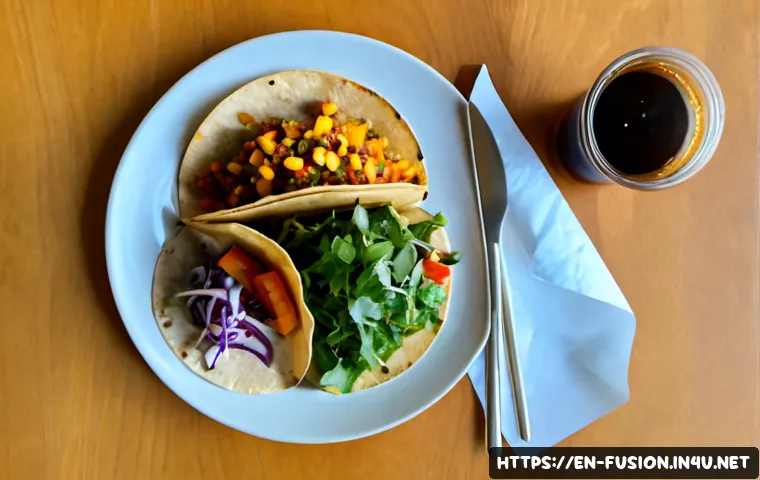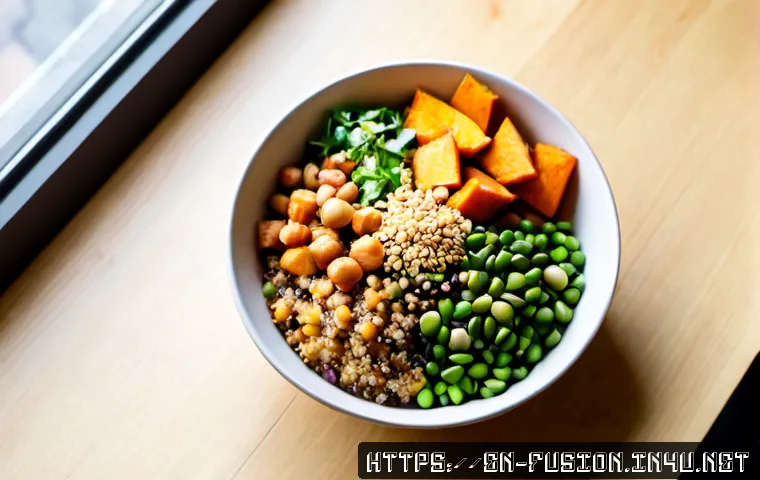
Fusion salads can be a balanced lunch when they include vegetables, a protein source, fiber-rich carbohydrates, and sensible portions of dressing and toppings.
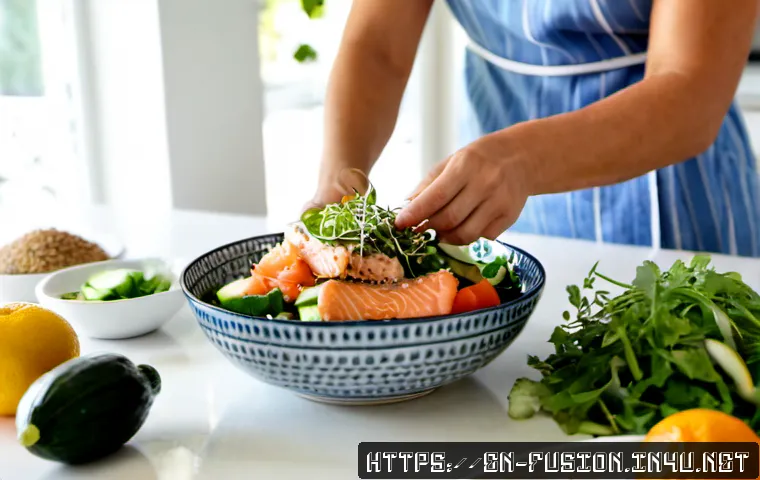
Their health value comes from the full bowl, not from the word “salad” or a plant-forward menu label. For a quick choice, check the protein, dressing, sodium-heavy ingredients, allergens, and serving size before ordering or buying.
This approach works whether you are comparing a restaurant bowl, grocery prepared salad, meal kit, or homemade lunch. Convenience can be useful, but ingredient transparency makes it easier to choose a salad that fits your preferences.
At a Glance
- A balanced fusion salad combines vegetables with protein, fiber-rich carbohydrates, and fats in appropriate portions.
- Check dressings, cheese, cured meats, crispy toppings, and sauces because they can substantially change sodium, added sugar, saturated fat, and calorie content.
- When comparing prepared salads, restaurant bowls, grocery delivery options, or meal kits, prioritize clear ingredients, serving details, allergen information, and dressing choices.
| Lunch Option | Best For | What to Compare | Common Watch Point |
|---|---|---|---|
| Homemade fusion salad | Maximum customization | Protein, grains or legumes, dressing portion, freshness | Skipping protein or relying on too many salty toppings |
| Restaurant salad bowl | Fast lunch with customization | Menu descriptions, dressing options, allergens, add-ons | Sauces, cross-contact, and oversized topping portions |
| Prepared grocery salad | Minimal preparation | Ingredient list, serving size, dressing packet, storage guidance | Limited control over sodium and dressing amount |
| Meal kit salad | Planned home lunches | Ingredient transparency, portion format, weekly cost, prep needs | Assuming every plant-forward kit is automatically balanced |
What Makes a Fusion Salad a Healthy Choice?
The Quick Answer: Variety Helps, but Balance Matters More Than Trendiness
Fusion salads bring together ingredients, seasonings, or preparation styles from more than one culinary tradition. That can mean a bowl with leafy greens, grains, herbs, legumes, roasted vegetables, sesame, salsa, tangy dressings, or crunchy toppings. Variety can make lunch more interesting, but it does not automatically make the meal balanced.
A useful question is simple: Does the bowl include more than vegetables and flavor? A satisfying lunch generally needs a source of protein, a fiber-rich carbohydrate or legume, and some fat alongside vegetables. A colorful bowl with only greens, a sweet dressing, and crispy toppings may look substantial but may not keep you satisfied for long.
When buying a prepared salad or ordering from a nutrition-conscious dining menu, focus on the full ingredient list. The name of the salad is less useful than what is actually included and how it is portioned.
The Five Components of a Satisfying Bowl
A practical fusion salad can be evaluated through five components:
- Vegetables and herbs: Use a mix of raw or cooked vegetables for color, texture, and variety.
- Protein: Consider legumes, eggs, dairy, fish, poultry, tofu, or another option that suits your preferences.
- Fiber-rich carbohydrates: Beans, lentils, whole grains, corn, and similar ingredients can add substance.
- Fats in sensible portions: Nuts, seeds, avocado, olives, cheese, and dressings can add richness, but portions still matter.
- Flavor: Herbs, spices, citrus, salsa, vinegar-based dressings, and sauces can make the bowl enjoyable without making every component heavy.
This is not a personal nutrition prescription. The ideal portion size and macronutrient balance depend on the individual, their activity, preferences, and dietary needs.
When a Flavorful Salad Can Become a High-Sodium or High-Calorie Meal
Fusion flavors often rely on sauces, marinades, cheese, cured ingredients, and crunchy toppings. These can be enjoyable, but they can also substantially affect the bowl’s sodium, added sugar, saturated fat, and calorie content. A salad may contain plenty of vegetables while still becoming topping-heavy or sauce-heavy.
Look for combinations that stack several concentrated ingredients at once: a salty sauce plus cheese, cured meat, crispy toppings, and a second drizzle. A more deliberate choice is to select the one or two elements you care about most and keep the rest simple. Asking for dressing separately, when available, can also make the meal easier to assess.
Popular Fusion Salad Styles and How They Compare
Asian-Inspired Bowls: Sesame, Soy-Based Sauces, Grains, and Crunchy Toppings
Asian-inspired fusion salads may pair greens or cabbage with herbs, grains, edamame, tofu, chicken, sesame, soy-based sauces, and crunchy toppings. These bowls can offer a satisfying mix of vegetables, protein, and texture. They are also a good example of why the sauce deserves attention.
Soy-based sauces and sesame dressings can be flavorful, but sodium, added sugar, and allergen considerations may matter. Sesame and soy are common allergens, and prepared-food settings may involve cross-contact. If the bowl includes a rich dressing, crispy noodles, and a salty protein, consider whether every add-on is necessary.
Mediterranean-Inspired Combinations: Legumes, Herbs, Olives, and Tangy Dressings
Mediterranean-inspired salads often feature legumes, grains, cucumbers, tomatoes, herbs, olives, cheese, and tangy dressings. This style can naturally support a plant-forward approach because legumes, vegetables, whole grains, nuts, seeds, and minimally processed foods may all fit easily into the bowl.
However, olives, cheese, cured ingredients, and prepared dressings can add up quickly. If a prepared salad already includes several salty components, a lighter amount of dressing may be enough. For diners with dairy concerns, check whether cheese is mixed into the bowl rather than listed as an optional topping.
Mexican-Inspired Salads: Beans, Corn, Avocado, Salsa, and Portion Awareness
Mexican-inspired salad bowls commonly include beans, corn, avocado, salsa, greens, grains, cheese, crunchy tortilla-style toppings, and a protein choice. Beans and corn can help create a more filling bowl, while avocado can add richness and texture.
The key is portion awareness across the whole bowl. A salad can include beans, avocado, cheese, creamy dressing, tortilla toppings, and a large grain portion at the same time. None of these ingredients needs to be treated as automatically good or bad. Instead, decide which elements matter most for the lunch you want, then avoid piling on multiple heavy or salty additions without checking the menu details.
Comparison Table: Flavor Profile, Protein Options, Dressing Considerations, and Convenience
| Fusion Style | Common Protein Options | Dressing and Topping Considerations | Convenience Fit |
|---|---|---|---|
| Asian-inspired | Tofu, edamame, poultry, fish, legumes | Check soy, sesame, sweet sauces, and crunchy toppings | Works well for restaurant bowls and prepared lunch salads |
| Mediterranean-inspired | Legumes, dairy, fish, poultry | Check olives, cheese, cured ingredients, and dressing amount | Easy for home meal prep and grocery salad components |
| Mexican-inspired | Beans, poultry, fish, dairy, plant-based proteins | Compare salsa, creamy dressings, cheese, avocado, and crispy toppings | Useful for customizable restaurant or meal kit lunches |
How to Build or Buy a Better Balanced Salad
Start With Vegetables, Then Add Protein and Fiber
Start with vegetables as the base, then make sure the bowl has a clear protein source. Next, consider a fiber-rich carbohydrate such as legumes, whole grains, or corn if it suits your meal plan. This sequence is useful because it prevents the common “greens plus toppings” problem.
For home cooks, building salads this way can simplify grocery planning. Choose a few vegetables, one or two proteins, a legume or grain, and flavor ingredients that can be mixed across several lunches. For a grocery delivery order or meal kit subscription, review whether the listed components cover those same basics before making convenience the deciding factor.
Choose a Dressing Strategy Instead of Treating Dressing as an Afterthought
Dressing is part of the meal, not a minor detail. It can bring a bowl together, but it can also be a major source of sodium, added sugar, or saturated fat depending on its ingredients and portion. A useful strategy is to choose one flavor direction: a tangy dressing, a sesame-style sauce, salsa, or another option that fits the ingredients.
When ordering a restaurant salad, see whether dressing can be served separately or whether a smaller amount is available. When using a prepared grocery salad, check whether the dressing packet is optional and whether the ingredient information is easy to review. The goal is not to remove flavor; it is to keep the dressing choice intentional.
Read Labels and Menu Descriptions for Sodium, Allergens, and Serving Size
Labels and menu descriptions can reveal details that the salad name does not. Look for listed proteins, grains, sauces, cheese, cured meats, and crunchy toppings. Check serving size information when it is available, especially if a packaged salad appears designed for more than one serving.
Allergen checks are equally important. Common concerns may include nuts, sesame, soy, dairy, shellfish, wheat, and cross-contact in restaurant or prepared-food settings. A menu customization note is not the same as confirmation that an item is suitable for a particular allergy. When allergy risk is relevant, verify directly with the restaurant, meal kit provider, or prepared-food retailer.
Evaluate Meal Kits and Prepared Salads by Ingredient Transparency and Cost Per Serving
Meal kits and prepared salads can reduce planning and prep time. Their value depends on what they disclose and whether the format matches your routine. Ingredient transparency, dressing options, allergen details, storage instructions, and serving format are practical comparison points.
For a meal kit comparison, look beyond the appealing photo or cuisine label. Consider whether the kit clearly explains what is included, how much preparation it requires, and whether you can adapt ingredients for your household. For prepared salads, compare the ingredient list, portion format, and weekly cost with the convenience you are receiving. Official product pages and package details are the best places to confirm current ingredients and terms.
Common Mistakes With Trend-Driven Salad Choices
Assuming Every Plant-Forward Menu Item Is Nutritionally Balanced
Plant-forward eating patterns often emphasize a wider variety of vegetables, legumes, whole grains, nuts, seeds, and minimally processed foods. That can be a useful starting point. Still, a plant-forward label does not show whether a salad contains adequate protein, how the dressing is used, or whether the bowl is built mostly from salty or heavily processed additions.
Use the label as an invitation to read more, not as a final verdict. A well-described ingredient list is more useful than a broad wellness claim.
Doubling Up on Salty Sauces, Cheese, Cured Ingredients, and Crunchy Toppings
Flavor stacking is one of the easiest ways for a salad to become harder to evaluate. A bowl may include soy-based sauce, cheese, cured meat, olives, crispy toppings, and seasoning blends. Each ingredient can have a place, but choosing several at once may increase sodium and other nutrients of concern.
A simple fix is to identify the flavor centerpiece. If the salad has a bold sauce, you may not need extra salty toppings. If cheese or cured ingredients are the main feature, a lighter dressing may be enough.
Skipping Protein and Feeling Hungry Soon After Lunch
A bowl made only of greens, raw vegetables, and dressing can be refreshing, but it may not feel like a complete lunch. Adding a protein source and a fiber-rich ingredient can make the meal more substantial. This is especially helpful for busy workdays when the next meal may not be soon.

There is no single best protein for everyone. The practical choice is one that fits your preferences, allergies, budget, and the ingredients already in the bowl.
Overlooking Food Handling and Allergen Cross-Contact
Raw vegetables and herbs should be washed and handled carefully to reduce food-safety risks. At home, keep salad ingredients fresh, use clean preparation surfaces, and follow storage guidance for prepared items. For a make-ahead lunch, keep dressing separate until you are ready to eat when possible.
In restaurant and prepared-food settings, cross-contact can matter for people with allergies. Do not assume that removing a visible ingredient removes all risk. Check the provider’s allergen information and ask about preparation practices when needed.
Fusion Salad Ideas for Different Lunch Situations
Fast Office Lunches With Minimal Prep
For a quick office lunch, choose a prepared salad or restaurant bowl with a visible protein source and an ingredient list you can understand. Add dressing gradually if it is packed separately. If the salad is mostly vegetables and toppings, consider adding legumes, a grain component, or another available protein source.
This is also a useful setting for comparing grocery prepared salads with nearby nutrition-conscious dining options. The fastest choice is not always the most suitable one, but clear portions and transparent ingredients make the decision easier.
Make-Ahead Salads That Keep Dressing Separate
For home meal prep, build the base from sturdy vegetables, legumes, grains, and protein, then store the dressing separately. Add delicate herbs and crunchy toppings closer to lunchtime if possible. This approach helps preserve texture and lets you control how much dressing goes into each serving.
A flexible make-ahead combination might use greens and vegetables with beans or grains, a chosen protein, herbs, and a dressing inspired by a different cuisine. The fusion element comes from the flavor pairing, not from loading the container with every possible topping.
Flexible Swaps for Vegetarian, Dairy-Free, or Gluten-Aware Eaters
Fusion salads can be adaptable, but substitutions should be checked rather than assumed. Vegetarian diners may use legumes, tofu, dairy, or other protein options depending on preference. Dairy-free eaters may need to check cheese, creamy dressings, and sauces. Gluten-aware diners should review grains, crunchy toppings, dressings, and sauces for wheat-related ingredients.
For packaged salads and meal kits, the exact product information matters. Ingredient formulations and preparation environments can vary, so review current labels or official details instead of relying on a general salad category.
Restaurant Ordering Adjustments When Customization Is Available
Customization can help you build a more suitable restaurant salad without turning the order into a complicated project. Consider asking for dressing separately, choosing one crunchy topping instead of several, or selecting a clear protein option. If the bowl already contains cheese, cured ingredients, or a rich sauce, you may decide not to add another concentrated topping.
Use customization carefully when allergies are involved. Availability does not confirm safety, and restaurant staff may need to clarify cross-contact practices.
Selection Criteria and Comparison Summary
Best Choice for Convenience: Prepared Salads and Meal Kits With Clear Portions
Prepared salads and meal kits can be practical when time is limited. The stronger options make it easy to see the ingredients, identify the protein, review dressing details, and understand the serving format. Clear information does not guarantee that a product fits every dietary need, but it gives you a better basis for comparison.
Best Choice for Customization: Home-Built Bowls
Home-built bowls offer the most control over ingredients, dressing, allergens, and topping portions. They can also make it easier to use leftovers, rotate flavors, and follow a plant-forward pattern with vegetables, legumes, whole grains, nuts, and seeds. The trade-off is planning, preparation, and food storage.
Checklist: Protein, Fiber, Dressing, Sodium, Allergens, Freshness, and Weekly Cost
Before choosing a restaurant salad, prepared grocery lunch, grocery delivery item, or meal kit, compare serving size, dressing options, ingredient transparency, and weekly cost. Then check whether the bowl has a protein source, a fiber-rich component, and a reasonable balance between vegetables and concentrated toppings. Review sodium-heavy ingredients, allergen information, freshness or storage guidance, and how much customization is available.
If you are comparing meal kit plans or prepared salad options, check the official product page or package details for current ingredients, serving information, delivery terms, and allergen guidance before choosing.
When Paying More for Higher-Quality Ingredients or Delivery Convenience May Be Worthwhile
Paying more may be worthwhile when convenience helps you consistently prepare or choose lunches with clear ingredients and less last-minute decision-making. It may also be useful when a service provides the ingredient transparency, portion format, or customization you need. The better value is not automatically the cheapest or the most elaborate option; it is the one that fits your routine while making balanced choices easier to repeat.
In Closing
Fusion salads can make lunch more varied and enjoyable, especially when flavors from different food traditions are paired thoughtfully. The strongest choice starts with vegetables but does not stop there: protein, fiber-rich ingredients, dressing, and topping portions all matter. Whether you cook at home or buy lunch, use the same simple framework to look past a trendy name. A little label reading and menu comparison can make convenience choices easier to evaluate.
Useful Things to Know
1. A vegetable base alone does not show whether a salad is balanced.
2. Dressing, cheese, sauces, cured ingredients, and crunchy toppings can change the overall nutrition profile substantially.
3. Keep dressing separate for make-ahead salads when possible.
4. Check nuts, sesame, soy, dairy, shellfish, wheat, and possible cross-contact when allergies are a concern.
5. Ingredient transparency is a major advantage when comparing meal kits, prepared salads, and restaurant bowls.
Important Notes
This guide offers general food-selection criteria, not personal medical or dietary advice. The ideal calorie level, macronutrient ratio, and portion size vary by person. A custom restaurant salad cannot be evaluated precisely without verified ingredient and serving information. If you have an allergy, medical condition, or prescribed diet, confirm current product details and suitability with the relevant provider or a qualified professional.
Frequently Asked Questions
Q1. Are fusion salads actually healthy?
A1. They can be, but the answer depends on the full ingredient list. A balanced fusion salad usually includes vegetables, a protein source, a fiber-rich carbohydrate or legume, and fats in appropriate portions. Dressings, salty sauces, cheese, cured meats, and crispy toppings can substantially change the overall balance.
Q2. What should I look for when buying a prepared salad or meal kit?
A2. Look for clear ingredient information, a visible protein source, dressing details, serving size, allergen guidance, storage information, and the cost per serving or weekly cost. Compare how much preparation and customization each option allows before choosing.
Q3. Which fusion salad ingredients can make a lunch less balanced?
A3. Salty sauces, sweet dressings, cheese, cured meats, large amounts of crispy toppings, and multiple rich add-ons can make a salad harder to balance. These ingredients do not need to be avoided completely, but it helps to choose them intentionally rather than stacking several in one bowl.