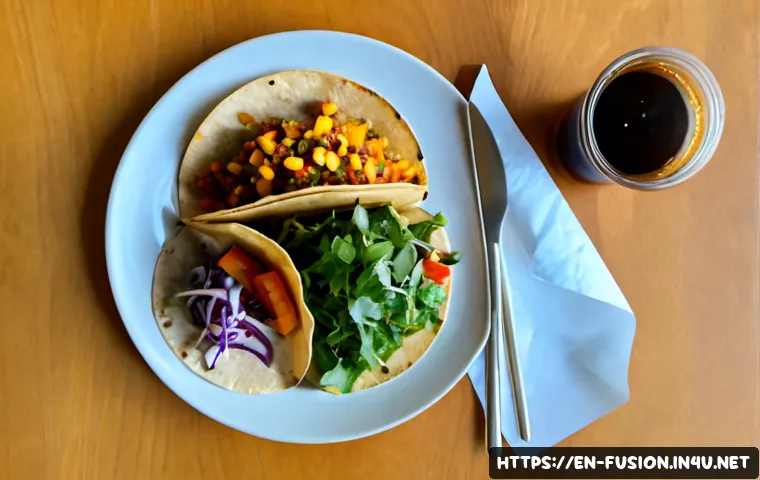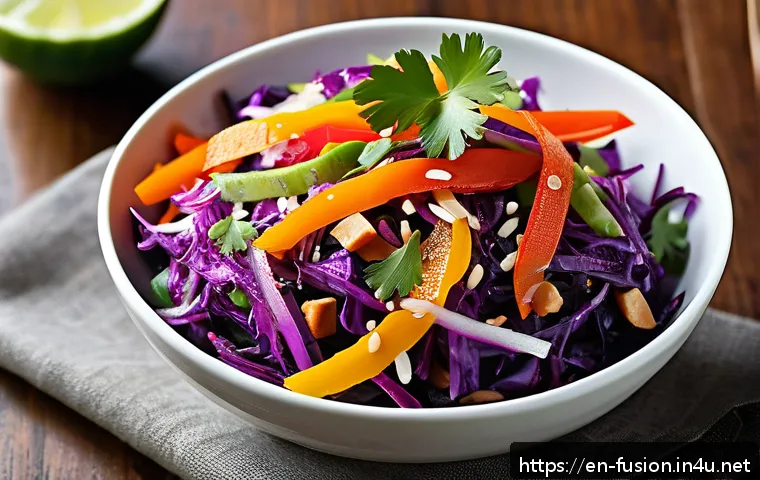
As the world becomes more interconnected, the fusion fast food scene is undergoing an exciting transformation fueled by global sourcing. From street food stalls in New York to trendy eateries in Tokyo, chefs are blending flavors and ingredients sourced worldwide to craft innovative, mouthwatering menus.
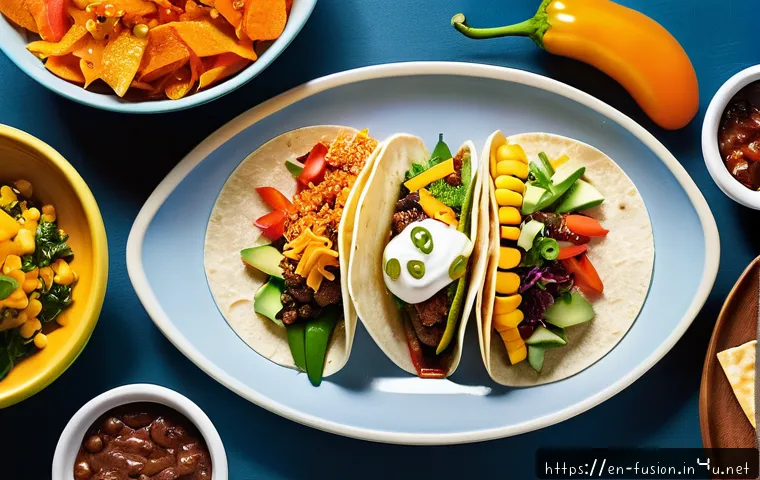
This global approach not only enriches taste profiles but also responds to consumers’ growing appetite for diverse and authentic culinary experiences.
If you’ve ever wondered how your favorite fast food chains are staying ahead of the curve, this deep dive into global sourcing’s impact on fusion menus will reveal the delicious strategies behind the scenes.
Stick around—you might just discover your next craving!
Global Ingredients Revolutionizing Fast Food Menus
Unlocking Exotic Flavors Through Diverse Sourcing
Fast food is no longer confined to the classic burger and fries formula. Chefs are scouring the globe to discover ingredients that add unexpected twists and vibrant flavors to familiar dishes.
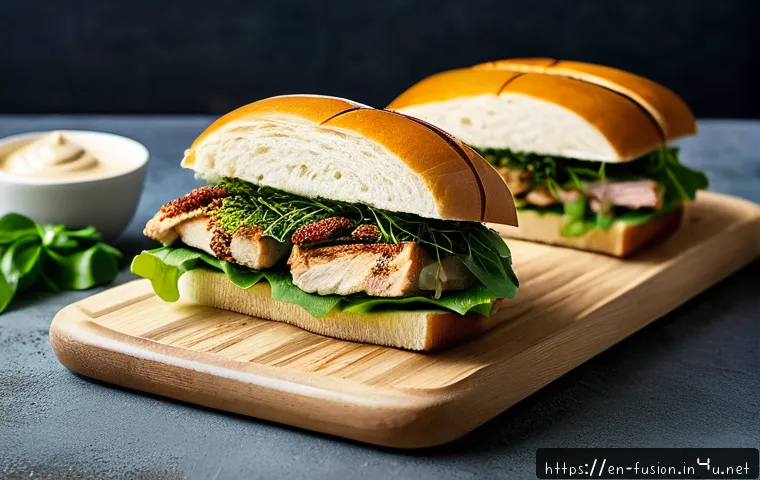
For instance, the infusion of Southeast Asian spices or South American peppers creates a depth that excites the palate. Personally, I’ve noticed how the addition of ingredients like yuzu from Japan or sumac from the Middle East can turn a simple sandwich into a culinary adventure.
This global treasure hunt for ingredients allows fast food joints to offer something fresh and authentic, making the experience feel more personalized and culturally rich.
Balancing Authenticity and Accessibility
One of the trickiest parts of global sourcing is maintaining the authentic essence of an ingredient while making it accessible and affordable for mass consumption.
Chefs often experiment with blends that retain traditional flavors but are adapted to local tastes. I remember trying a Korean BBQ taco that used gochujang paste sourced directly from Korea, but balanced with local vegetables to appeal to a broad audience.
This delicate balancing act ensures that fast food remains approachable without sacrificing the cultural roots that make the fusion so exciting.
The Role of Seasonal and Regional Sourcing
Another fascinating trend is the integration of seasonal and regional ingredients alongside global staples. This not only supports sustainability but also helps fast food outlets stay dynamic and innovative.
For example, a taco truck in Los Angeles might combine California avocados with Peruvian aji amarillo peppers to create a vibrant, fresh dish that changes with the seasons.
This approach keeps menus lively and encourages repeat visits, as customers anticipate new flavor combinations that reflect both local and international trends.
Innovative Menu Engineering Inspired by World Cuisines
Crafting Fusion Dishes That Tell a Story
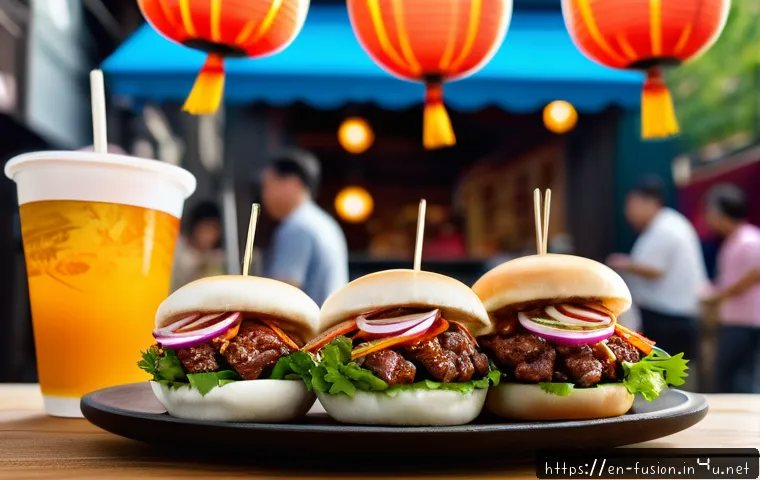
The best fusion fast food menus don’t just mix ingredients randomly; they weave stories that reflect cultural journeys. Take a bao burger that marries the fluffy softness of Chinese bao buns with the smoky, charred flavors of American barbecue.
When I tried one at a street fair, the combination felt both nostalgic and surprising, like tasting a story of migration and culinary evolution. This narrative-driven approach helps customers connect emotionally with their food, elevating their fast food experience beyond mere convenience.
Using Technology to Refine Flavor Profiles
Many chefs now rely on flavor pairing technology and data analytics to predict which global ingredients will harmonize best. This scientific approach complements their creative instincts, resulting in dishes that are balanced and crave-worthy.
In my experience, technology-driven insights have led to surprising yet delightful combos, like pairing fermented black garlic with Mexican chipotle to create smoky-sweet notes in a sandwich.
This blend of art and science is pushing fusion fast food into uncharted territory.
Menu Adaptation Based on Customer Feedback
One of the coolest things about global sourcing in fast food is how quickly menus evolve based on real-time customer feedback. Social media buzz and direct surveys allow chefs to tweak recipes and introduce new items that resonate with a diverse audience.
For example, a fusion eatery might introduce a vegan version of a globally inspired dish after noticing growing demand. I’ve seen firsthand how this responsiveness builds customer loyalty and keeps the menu fresh and exciting.
Supply Chain Dynamics Behind Global Sourcing
Challenges in Sourcing Unique Ingredients Worldwide
Sourcing ingredients internationally isn’t without its hurdles. Import regulations, fluctuating costs, and seasonal availability can complicate supply chains.
I recall a time when a popular fusion joint had to pause serving a signature dish because a critical spice was delayed due to shipping restrictions. Navigating these challenges requires strong relationships with suppliers and creative contingency planning to maintain consistency without compromising quality.
Building Sustainable and Ethical Supply Networks
Sustainability is becoming a key focus in global sourcing strategies. Many fast food brands now prioritize suppliers who practice ethical farming and fair trade, ensuring that their fusion menus don’t come at the expense of the environment or workers.
I appreciate when a restaurant transparently shares its sourcing story—it adds trust and makes me feel better about indulging in something delicious. This ethical approach also aligns with consumers’ growing demand for responsible dining options.
Leveraging Local Partners for Global Impact
To streamline sourcing and support local economies, many fusion fast food operations collaborate with regional farmers and producers who can supply global ingredients or their close substitutes.
This partnership model reduces transportation emissions and fosters community growth. For example, a fast casual chain might source turmeric from a local organic farm instead of importing it, maintaining flavor integrity while boosting local agriculture.
These collaborations are win-win, marrying global inspiration with local action.
Marketing Fusion Fast Food in a Globalized World
Appealing to Adventurous Foodies
Marketing fusion fast food hinges on tapping into consumers’ curiosity and desire for novelty. Highlighting exotic ingredients and the story behind their sourcing can create a compelling narrative that draws adventurous eaters.
I’ve noticed that brands that share behind-the-scenes sourcing journeys or chef interviews tend to generate buzz and social shares, increasing foot traffic.
It’s a smart way to build a loyal community around shared passion for bold flavors.
Educating Customers About Cultural Origins
Many consumers appreciate when brands take the time to educate them about the cultural heritage of fusion dishes. This not only adds value but fosters respect for the cuisines being represented.
For instance, a fast food chain might include QR codes linking to videos about the origins of the spices or cooking techniques used. From personal experience, knowing the story behind a dish makes me savor it more and feel connected to a broader cultural tapestry.
Utilizing Social Media and Influencers
Social media plays a crucial role in popularizing fusion fast food. Influencers who explore global street foods and fusion trends help spread the word rapidly.
I often discover new fusion spots through foodie Instagrammers or TikTok creators who showcase mouthwatering dishes and share honest reviews. Collaborating with these digital tastemakers amplifies reach and helps brands stay relevant in a crowded market.
Consumer Trends Driving Fusion Fast Food Innovation
Demand for Authenticity and Transparency
Today’s consumers crave authenticity—not just in taste but in sourcing and preparation. They want to know that what they’re eating is genuine and responsibly produced.
I’ve noticed that fast food spots that openly share ingredient origins and cooking methods earn more trust and repeat visits. This transparency builds a bond between the brand and customer that goes beyond flavor alone.
Health-Conscious Global Fusion Options
As health awareness rises, fusion fast food is adapting by incorporating nutrient-rich global ingredients into lighter, balanced meals. Think quinoa bowls with Mediterranean spices or sushi burritos featuring fresh, sustainably sourced fish.
When I tried these options, they satisfied my craving for fast food without the guilt, proving that fusion menus can be both exciting and health-conscious.
Personalization and Customization Trends
Customization is another big trend shaping fusion fast food. Consumers love tailoring dishes to their dietary preferences, whether that means swapping proteins or adjusting spice levels.
Fast food chains are responding by offering build-your-own fusion bowls or tacos with a variety of international toppings. I’ve enjoyed creating my own combinations, which makes dining feel interactive and uniquely mine.
Comparing Popular Fusion Ingredients and Their Origins
| Ingredient | Region of Origin | Common Use in Fusion Fast Food |
|---|---|---|
| Gochujang | Korea | Spicy paste for sauces, marinades, and dressings |
| Yuzu | Japan | Citrus flavor in sauces, beverages, and desserts |
| Sumac | Middle East | Tangy spice for seasoning meats and salads |
| Aji Amarillo | Peru | Bright chili flavor in salsas and sandwiches |
| Black Garlic | East Asia | Sweet, umami-rich ingredient in sauces and spreads |
| Turmeric | India | Earthy spice used in marinades and rice dishes |
| Avocado | Mexico/California | Creamy base for tacos, sandwiches, and bowls |
Conclusion
The fusion of global ingredients is transforming fast food into a vibrant and culturally rich experience. By blending authentic flavors with local preferences, fast food menus are becoming more innovative and exciting. This evolution not only satisfies adventurous palates but also fosters a deeper connection to diverse culinary traditions around the world.
Useful Information to Keep in Mind
1. Global sourcing introduces unique flavors but requires balancing authenticity with accessibility to appeal to a wide audience.
2. Seasonal and regional ingredients enhance freshness and sustainability while keeping menus dynamic and relevant.
3. Technology and customer feedback play crucial roles in refining fusion dishes and adapting menus quickly.
4. Building ethical and sustainable supply chains strengthens brand trust and supports responsible dining choices.
5. Personalization and transparency are key trends driving customer loyalty in today’s fast food landscape.
Key Takeaways
Understanding the complexities of global ingredient sourcing is essential for creating successful fusion fast food menus. Chefs must navigate supply chain challenges, maintain cultural integrity, and respond to consumer demands for authenticity and health-conscious options. Combining innovation with ethical practices ensures that fusion fast food continues to grow sustainably while delighting diverse tastes worldwide.
Frequently Asked Questions (FAQ) 📖
Q: How does global sourcing enhance the flavors in fusion fast food menus?
A: Global sourcing allows chefs to tap into a vast palette of authentic ingredients from different regions, which adds depth and originality to fusion dishes.
By using spices, sauces, and fresh produce directly sourced from their native lands, the flavors become more vibrant and true to their cultural roots.
This not only elevates the taste but also creates a unique dining experience that feels both familiar and exciting to customers seeking new culinary adventures.
Q: Why are fast food chains increasingly focusing on fusion menus with global ingredients?
A: Fast food chains are responding to a growing consumer demand for diversity and authenticity in their meals. People today crave more than just traditional burgers or fries—they want bold, interesting flavors that reflect global food trends.
By incorporating ingredients from around the world, these chains can differentiate themselves in a competitive market, attract adventurous eaters, and keep their menus fresh and relevant without compromising speed or convenience.
Q: Are there any challenges fast food restaurants face when using globally sourced ingredients?
A: Definitely. One major challenge is maintaining consistent quality and supply, as international sourcing can be affected by seasonal changes, trade regulations, or transportation delays.
Additionally, balancing cost while offering exotic ingredients is tricky since these items might be pricier than local alternatives. Despite these hurdles, many fast food operators find that the payoff—delivering exciting, authentic flavors that keep customers coming back—is well worth the effort.