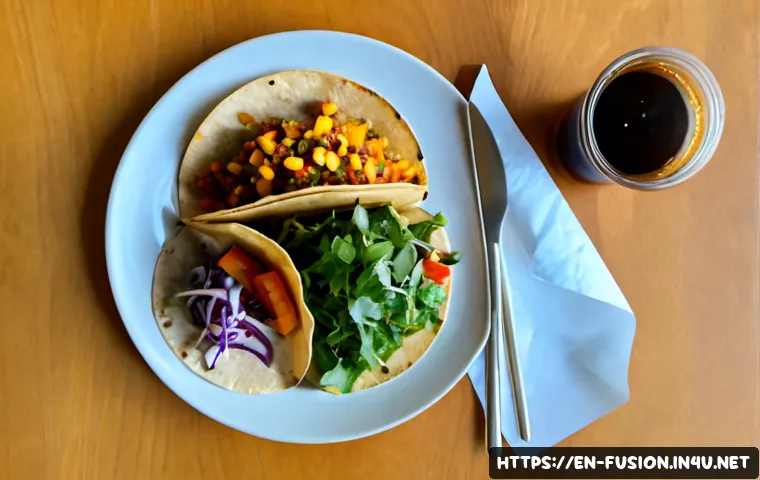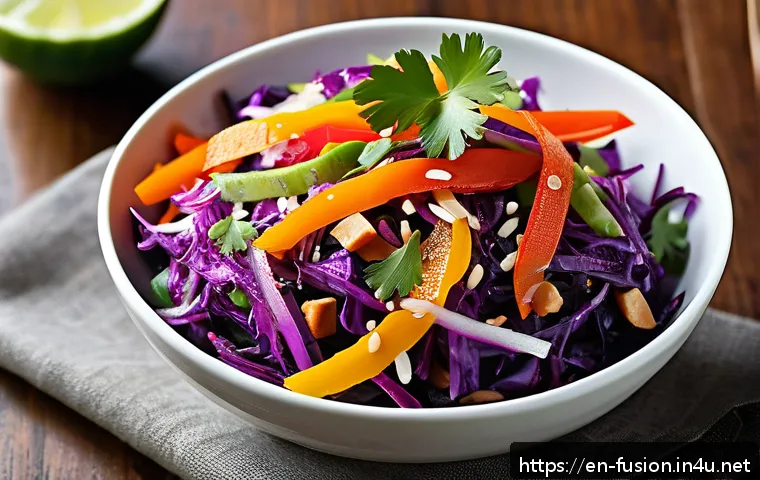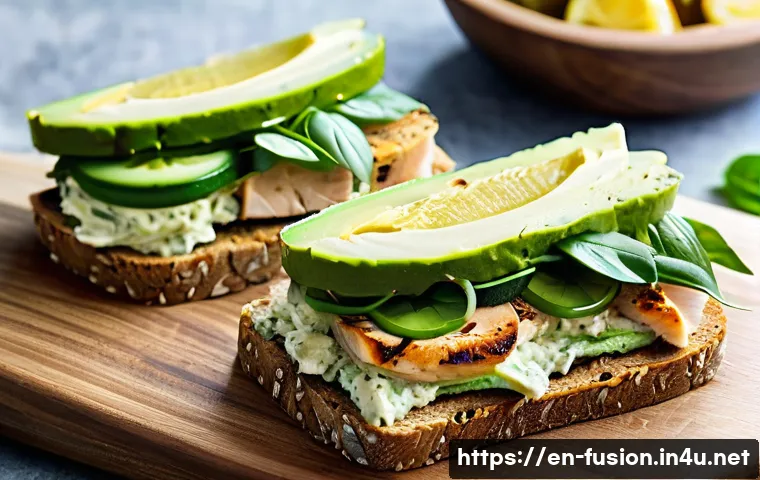
When it comes to balancing flavor and fitness, fusion sandwiches are a game-changer. These creative blends mix diverse culinary traditions with health-conscious ingredients, making dieting exciting rather than restrictive.
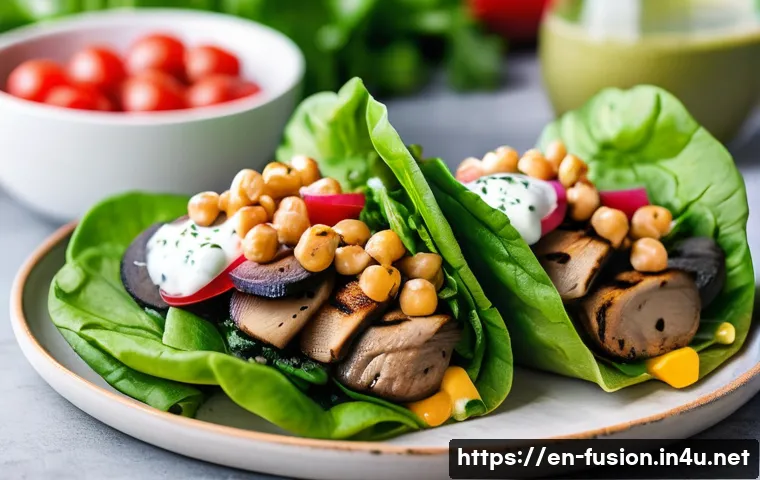
I’ve noticed that swapping out traditional bread for whole grains or veggies can make a big difference in both taste and nutrition. Plus, adding lean proteins and fresh herbs elevates the flavor while keeping calories in check.
If you’ve ever thought dieting meant boring meals, fusion sandwiches might just change your mind. Let’s dive into the details and explore how these tasty creations can fit perfectly into your diet plan!
Creative Foundations: Rethinking the Bread Base
Whole Grains vs. Refined Bread: A Nutritional Upgrade
When you swap traditional white bread for whole grain varieties, you’re not just changing the texture; you’re supercharging the sandwich with fiber, vitamins, and minerals that keep you fuller longer.
Whole grains like sprouted wheat, rye, or oat bread slow digestion, which helps in managing blood sugar spikes—a huge plus if you’re watching your waistline.
From my own kitchen experiments, the nutty flavor of these breads adds depth without extra calories, making every bite satisfying and guilt-free.
Veggie Wraps and Alternatives: Beyond the Bread
Replacing bread entirely with veggie options like lettuce wraps, collard greens, or even grilled portobello mushrooms can dramatically cut down carbs and calories.
I’ve found that using large leafy greens as a wrap gives a refreshing crunch and a burst of vitamins that typical bread can’t offer. Plus, it adds a cool, crisp layer that balances well with warm fillings.
This swap feels lighter and keeps the sandwich exciting, especially on hot days when a heavy carb load just doesn’t appeal.
Gluten-Free and Low-Carb Options for Every Taste
For those with gluten sensitivities or low-carb goals, alternatives like almond flour bread, coconut wraps, or even cloud bread offer creative ways to enjoy sandwiches without compromise.
I once tried cloud bread with a spicy chicken filling, and the airy texture paired beautifully with the heat, proving that dietary restrictions don’t have to mean dull meals.
These options often pack more protein and healthy fats, which help sustain energy throughout the day.
Protein Powerhouses: Lean and Flavorful Fillings
Choosing Lean Proteins That Satisfy
Lean proteins such as grilled chicken breast, turkey slices, or firm tofu are staples for anyone looking to maintain muscle while cutting calories. From my experience, these options not only deliver on protein but also serve as a blank canvas for bold seasonings and marinades, so you never get bored.
I often marinate chicken in lemon and herbs, which keeps it moist and flavorful without adding fat.
Plant-Based Proteins: A Healthy Alternative
Incorporating plant-based proteins like chickpeas, lentils, or tempeh can boost fiber intake and offer a different texture and taste profile. One of my favorite combos is smashed chickpeas mixed with avocado and fresh cilantro—it’s creamy, filling, and packed with nutrients.
These options work great for those seeking to reduce meat consumption without sacrificing protein quality.
Seafood Selections for a Light but Nutritious Boost
Tuna, smoked salmon, or shrimp are fantastic lean protein sources that add omega-3 fatty acids, which are great for heart health. I personally love a smoked salmon sandwich with a spread of low-fat cream cheese and dill; it feels indulgent but stays light.
Seafood fillings also pair well with crunchy veggies, creating a satisfying balance of flavors and textures.
Herbs and Veggies: The Flavor and Nutrition Enhancers
Fresh Herbs That Brighten Every Bite
Adding fresh herbs like basil, cilantro, mint, or parsley can instantly elevate a sandwich’s flavor profile without adding calories. I often toss in a handful of fresh basil or arugula to add peppery notes, which contrast beautifully with creamy or savory fillings.
Herbs also bring antioxidants and subtle health benefits that enhance the overall nutritional value.
Crunchy Vegetables for Texture and Vitamins
Incorporating crunchy veggies like cucumber, bell peppers, radishes, and sprouts adds a refreshing contrast to soft bread and proteins. I always add thin slices of cucumber or a mix of colorful peppers for their crispness and hydrating qualities.
These veggies are low in calories but rich in fiber and vitamins, helping you feel full and energized.
Pickled and Fermented Additions for Tang and Gut Health
Pickles, sauerkraut, or kimchi introduce tangy flavors and beneficial probiotics that support digestion. I once experimented with kimchi in a turkey sandwich, and the spicy, fermented kick was a game-changer—complex, exciting, and gut-friendly.
These small touches can make your sandwich stand out while contributing to a balanced microbiome.
Balancing Calories and Satisfaction: Smart Ingredient Pairings
Combining Macros for Sustained Energy
A well-balanced sandwich blends proteins, fats, and carbs to keep you energized. For example, pairing lean turkey with avocado and whole grain bread provides a nice mix of healthy fats and slow-digesting carbs.
I’ve noticed that meals like these keep hunger at bay longer, reducing the temptation to snack mindlessly.
Portion Control Without Compromising Flavor

Keeping portions in check can be tricky, but by focusing on ingredient quality and flavor intensity, you don’t have to pile on extra calories. Using strong seasonings like smoked paprika, garlic, or chili flakes means you can enjoy smaller amounts without missing out on taste.
Personally, I find that smaller sandwiches packed with bold flavors are more satisfying than oversized bland ones.
Incorporating Healthy Fats Wisely
Healthy fats from sources like avocado, nuts, or olive oil-based spreads add richness and improve nutrient absorption. I often add a thin layer of mashed avocado or a drizzle of extra virgin olive oil to my sandwiches; it makes each bite silky and satisfying.
These fats also help keep blood sugar stable and enhance the overall mouthfeel.
Global Inspirations: Flavorful Fusion Ideas to Try
Asian-Inspired Sandwiches with a Twist
Think Vietnamese banh mi with a twist—using whole grain baguettes, grilled lemongrass chicken, pickled carrots, and fresh cilantro. I recreated this at home and loved how the spicy-sour notes kept the sandwich light yet flavorful.
Adding sriracha or a low-fat mayo variant amps up the flavor without piling on calories.
Mediterranean Flavors for a Heart-Healthy Boost
Using pita bread or flatbreads stuffed with grilled veggies, hummus, and lean lamb or chicken offers a deliciously balanced meal. My go-to is grilled eggplant with tzatziki and fresh mint, which feels indulgent but aligns perfectly with a health-conscious lifestyle.
The Mediterranean diet’s emphasis on fresh herbs and olive oil is ideal for fusion sandwiches.
Latin American Zest with Nutritious Ingredients
Try a Mexican-inspired sandwich using whole grain bread, black beans, avocado, salsa, and lean grilled chicken or fish. I’ve enjoyed this combo several times, appreciating the bold flavors and fiber-rich beans that keep things filling.
Adding fresh lime juice and cilantro brightens every bite and enhances digestion.
Ingredient Comparison: Nutritional Highlights of Popular Bases and Fillings
| Ingredient | Calories (per 100g) | Protein (g) | Fiber (g) | Key Benefits |
|---|---|---|---|---|
| Whole Grain Bread | 250 | 9 | 6 | High in fiber, supports digestion |
| Lettuce Wrap | 15 | 1 | 1 | Low calorie, hydrating, fresh crunch |
| Grilled Chicken Breast | 165 | 31 | 0 | Lean protein, muscle maintenance |
| Avocado | 160 | 2 | 7 | Healthy fats, heart health |
| Chickpeas (cooked) | 164 | 9 | 8 | Plant protein, fiber-rich |
| Smoked Salmon | 117 | 18 | 0 | Omega-3 fatty acids, brain health |
Tips for Building Your Own Fusion Sandwich Masterpiece
Start with a Flavor Profile in Mind
Before grabbing ingredients, think about the cuisine or flavor combo you want to explore—whether it’s spicy, tangy, herbaceous, or smoky. I find that setting this intention helps guide ingredient choices, making the sandwich more cohesive and exciting.
It’s like creating a mini culinary adventure in every bite.
Layer Textures for Maximum Enjoyment
Combining crunchy, creamy, and chewy elements keeps each bite interesting and satisfying. For instance, pairing creamy avocado with crisp cucumbers and tender grilled chicken hits all the right notes.
I personally avoid soggy sandwiches by keeping wet ingredients like tomatoes separate or lightly patting them dry.
Mind the Sauces and Spreads
Sauces can either make or break your sandwich’s healthiness. Opt for homemade dressings or lighter options like Greek yogurt-based spreads, hummus, or mustard instead of heavy mayo.
I often mix plain Greek yogurt with herbs and lemon juice for a tangy, low-calorie spread that ties everything together without weighing it down.
In Conclusion
Rethinking your sandwich by focusing on wholesome bread alternatives, lean proteins, and fresh, flavorful additions can transform everyday meals into nutritious delights. Experimenting with global flavors and mindful ingredient pairings makes sandwich-making both fun and healthful. From my own experience, these thoughtful choices not only satisfy hunger but also support long-term well-being. So, don’t hesitate to get creative and enjoy every bite with confidence.
Useful Tips to Remember
1. Choose whole grain or alternative bases to increase fiber and nutrient intake while keeping calories in check.
2. Incorporate a variety of lean and plant-based proteins for balanced nutrition and sustained energy.
3. Fresh herbs and crunchy vegetables elevate flavor and add valuable vitamins without extra calories.
4. Use healthy fats like avocado or olive oil spreads to enhance taste and promote satiety.
5. Experiment with international flavor profiles and mindful sauces to keep sandwiches exciting and satisfying.
Key Takeaways
Opting for nutrient-dense bread alternatives and lean, flavorful fillings creates a balanced meal that fuels your body efficiently. Prioritizing texture and fresh ingredients ensures each sandwich is enjoyable and satisfying without unnecessary calories. Remember to control portions by emphasizing bold flavors and healthy fats, which help maintain fullness and reduce snacking urges. Finally, embracing diverse global inspirations can make your sandwiches not only nutritious but truly memorable.
Frequently Asked Questions (FAQ) 📖
Q: What are fusion sandwiches, and how do they differ from regular sandwiches?
A: Fusion sandwiches are creative combinations that blend ingredients and flavors from different culinary traditions, often with a focus on health-conscious choices.
Unlike traditional sandwiches that might rely on standard bread and common fillings, fusion sandwiches swap in whole grains, vegetables, lean proteins, and fresh herbs to create exciting, nutritious meals.
This approach not only adds variety but also enhances flavor without piling on unnecessary calories, making them perfect for anyone looking to balance taste and fitness.
Q: How can I make my sandwich healthier without sacrificing flavor?
A: One of the easiest ways to boost a sandwich’s nutrition is by replacing white bread with whole grain options or even using veggies like lettuce wraps or portobello mushroom caps as the base.
Adding lean proteins such as grilled chicken, turkey, or tofu helps keep it filling without excess fat. Fresh herbs like basil, cilantro, or parsley add a punch of flavor naturally, so you can cut back on heavy sauces or mayo.
From my experience, these swaps keep the sandwich satisfying and tasty while aligning with fitness goals.
Q: Are fusion sandwiches suitable for specific diets like low-carb or vegetarian?
A: Absolutely! Fusion sandwiches are incredibly adaptable. For low-carb diets, you can ditch the bread altogether and use large leafy greens or roasted veggies as wraps.
Vegetarians can opt for plant-based proteins like hummus, avocado, or grilled tempeh combined with vibrant veggies and herbs for a nutrient-packed meal.
The beauty of fusion sandwiches is how they can be tailored to fit various dietary needs without ever feeling boring or restrictive. I’ve found that experimenting with different ingredients keeps me excited about healthy eating.