Build flavorful fusion-style sandwiches with less added sugar by choosing unsweetened sauces, protein-rich fillings, crunchy vegetables, and lower-sugar bread options.
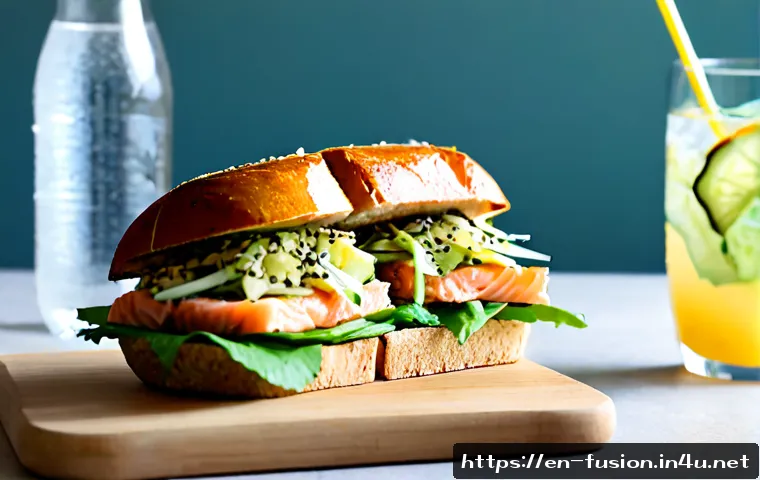
Includes practical swap ideas and buying criteria.
A flavorful low-sugar fusion sandwich starts with a savory protein, crunchy vegetables, an unsweetened sauce, and a bread or wrap chosen with the label in mind.
Instead of relying on sweet chili sauce or bottled teriyaki, build flavor with citrus, vinegar, herbs, chili, garlic, and sesame. This approach works well for weekday lunches because it is flexible, easy to batch-prep, and adaptable to meat, tofu, or chickpeas.
When shopping, compare ingredient lists rather than trusting “healthy” wording on the front of a package. A slightly pricier low-sugar condiment can be worthwhile when it helps you use the same bottle across several lunches.
The goal is not to remove every source of sugar, but to avoid letting sweet sauces and marinades dominate the sandwich.
At a Glance
- Use a simple formula: savory protein, crisp vegetables, an unsweetened sauce, and a carefully selected sandwich base.
- Replace sweetness with balance: acid, heat, herbs, garlic, and toasted spices can make a sandwich taste complete.
- Read labels closely: bread, pickles, deli meat, yogurt, marinades, and bottled dressings can all change the final sugar level.
| Ingredient Area | What to Compare | Lower-Sugar Direction | Best Use Case |
|---|---|---|---|
| Bread or wrap | Added sugars, serving size, ingredient list | Choose a savory-tasting bread, wrap, lettuce cup, or open-faced base with labels that suit your needs | Quick lunches and family sandwiches |
| Condiments | Sweeteners in sauces, dressings, and spreads | Use mustard, plain yogurt sauces, salsa, vinegar-based sauces, or unsweetened chili and sesame blends | Flavor control and meal prep |
| Protein | Marinades, glazes, flavored deli meat | Choose plain cooked chicken, turkey, tofu, eggs, beans, or chickpeas and season them yourself | Filling lunches with fewer surprise ingredients |
| Vegetables | Pickling liquid, prepared slaw dressing | Use fresh cabbage, cucumber, greens, roasted vegetables, or check prepared pickles for sweeteners | Crunch and moisture without a heavy sauce |
| Meal-prep tools | Separate compartments, leak resistance, portion space | Use reusable containers that keep wet fillings and bread apart until lunch | Preventing soggy sandwiches |
The Simple Formula for a Flavorful Low-Sugar Fusion Sandwich
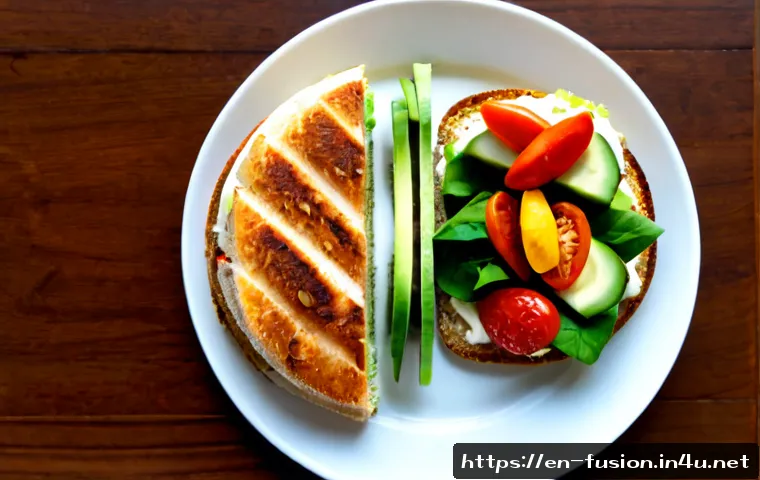
The easiest way to make a low-sugar fusion sandwich is to think in layers: savory protein + crunchy vegetables + bright sauce + a suitable base. Fusion-style cooking is useful here because you can borrow flavors from different cuisines without depending on a sugary glaze. A sesame-lime slaw, smoky salsa, yogurt-mint spread, or chili-garlic dressing can each bring character without making sweetness the main flavor.
The main caution is that “low sugar” does not mean one fixed thing for every shopper. Bread, sauces, cheese, marinades, and portion size all matter. Use the recipe as a flexible method, then check the labels that fit your own dietary needs.
Start with a savory protein, not a sweet marinade
Start with cooked chicken, turkey, tofu, eggs, chickpeas, beans, or another protein you enjoy. A plain protein gives you more control than one already covered in a sweet barbecue sauce, teriyaki-style glaze, or flavored marinade.
Season with options such as garlic, ginger, black pepper, cumin, smoked paprika, coriander, chili flakes, lime juice, lemon juice, or vinegar. These ingredients create depth before the sandwich reaches the sauce stage. If convenience is the priority, look for plain cooked protein and check prepared deli meats for added sweeteners and marinades.
Use acid, spice, and herbs to replace sweetness
When a sandwich tastes flat after removing a sweet sauce, do not automatically add another sweet condiment. First, add a small amount of acid from lime, lemon, rice vinegar, cider vinegar, or another vinegar you like. Then add heat or aromatics: chili, jalapeño, garlic, ginger, scallions, cilantro, mint, dill, or parsley.
A useful flavor check is simple: if the filling is rich, add acid; if it is sharp, add creamy texture; if it is salty, add fresh vegetables; if it is spicy, add cooling yogurt or avocado. This gives a fusion sandwich a more rounded taste without relying on sugar.
Build texture with fresh, pickled, or roasted vegetables
Crunch makes a sandwich feel more substantial. Cabbage, cucumber, radish, shredded carrots, leafy greens, onions, bell peppers, and sprouts can all work. Roasted peppers, eggplant, mushrooms, or zucchini add a softer, deeper flavor for a more filling lunch.
Pickled vegetables can be useful, but check the jar or deli label. Some pickles, relishes, and prepared slaws include sweeteners. If you make quick pickled vegetables at home, a vinegar-forward mixture with salt, spices, and herbs gives you more flavor control than a sweet prepared topping.
Compare Bread, Wrap, and Sauce Options Before You Buy
Your sandwich base and condiment often determine whether a lunch stays close to your low-sugar preference. A sandwich can have an excellent filling but still become much sweeter through bread, a flavored spread, and a bottled dressing used together. Compare products by label, not by marketing language alone.
What to check on bread labels for added sugars
Look at the ingredient list and nutrition label for each bread, roll, pita, tortilla, or wrap you are considering. Compare added sugars where listed, serving size, and whether the bread tastes naturally savory or noticeably sweet. Some shoppers prefer a thin wrap, an open-faced sandwich, lettuce leaves, or a grain-based salad bowl when they want less bread in the meal.
There is no single “best” bread for everyone. The practical choice is the one that fits your flavor preference, dietary needs, and lunch routine. If you need gluten-free options, check the individual product label rather than assuming all wraps or alternative breads use the same ingredients.
Lower-sugar alternatives to sweet chili sauce, teriyaki, and bottled dressings
Sweet chili sauce, teriyaki-style sauce, honey mustard, barbecue sauce, and many bottled dressings can bring sweetness quickly. That does not make them off-limits, but they deserve a closer look when low sugar is your goal.
- Instead of sweet chili sauce: try chili-garlic paste mixed with lime juice, rice vinegar, and a little sesame oil.
- Instead of teriyaki-style glaze: use soy sauce or tamari with ginger, garlic, rice vinegar, and toasted sesame seeds.
- Instead of a sweet bottled dressing: stir plain yogurt with lemon, herbs, black pepper, and garlic.
- Instead of sugary relish: add chopped pickles, capers, fresh herbs, or mustard to a spread.
If you buy a specialty low-sugar sauce, choose it because it saves time and genuinely fits your meal routine—not because the front label makes a broad health promise. A good option is one you will use across wraps, grain bowls, salads, and sandwiches before it sits unused in the refrigerator.
When homemade sauces offer better value than specialty products
Homemade sauces can offer better value when you already keep basic pantry ingredients. A quick yogurt-herb sauce, mustard-vinegar dressing, or sesame-lime mixture can be made in a small bowl and adjusted to taste. This also lets you control how much sauce goes into each lunch.
Store-bought condiments may be more convenient for busy weeks, especially when you need a reliable lunch routine. Compare the label, container size, storage instructions, and how many meals you expect to make. For meal prep, a reusable small sauce container can be as useful as a premium condiment because it keeps the sandwich from becoming soggy.
Three Flexible Fusion Sandwich Builds to Try
These combinations are templates, not strict recipes. Use the filling-to-vegetable balance that suits your appetite, and adjust the heat, saltiness, and creaminess after tasting. Check every packaged ingredient if you are managing allergies, gluten, sodium, or other individual dietary needs.
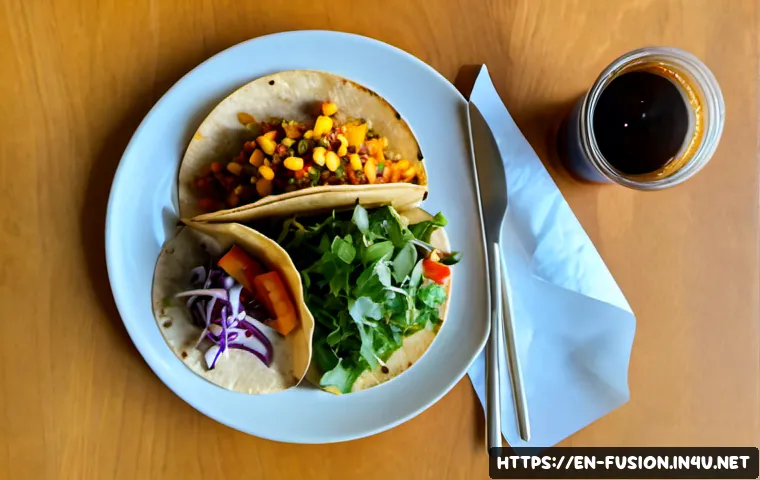
Korean-Inspired Chicken or Tofu with Sesame-Lime Slaw
Use sliced cooked chicken or crisp-edged tofu as the base. Add a slaw of cabbage, cucumber, scallions, lime juice, sesame oil, sesame seeds, and chili flakes if desired. Spread a thin layer of plain yogurt mixed with garlic, or use a small amount of an unsweetened sesame-based sauce.
Serve it in a savory wrap, between slices of bread that fit your preferences, or as an open-faced sandwich. The key is to let the lime, sesame, and chili do the work usually done by a sweet glaze. Keep the slaw separate until lunch if you are packing it ahead.
Mediterranean-Meets-Mexican Turkey with Avocado and Smoky Salsa
Layer cooked turkey with avocado, chopped tomato, leafy greens, red onion, and a smoky salsa. Add cumin, smoked paprika, lemon, and chopped herbs for a filling that is bright rather than sweet. A plain yogurt sauce with lime and garlic can add creaminess if the sandwich needs it.
This build is especially useful for a fast weekday lunch because cooked turkey can be prepared in advance. If using store-bought salsa, check the label for ingredients and choose one with a flavor profile you enjoy. The avocado and turkey help the sandwich feel satisfying without a sweet dressing.
Indian-Inspired Chickpea Salad with Yogurt-Mint Spread
Mash chickpeas lightly with diced cucumber, red onion, mint, cilantro, lemon juice, cumin, black pepper, and a little chili if wanted. Spread plain yogurt mixed with mint and garlic onto the bread or wrap, then add the chickpea filling and crisp greens.

This vegetarian option benefits from contrast: creamy chickpeas, fresh herbs, sharp lemon, and crunchy vegetables. Avoid assuming flavored yogurt is interchangeable with plain yogurt; some varieties may contain added sweeteners. For a vegan variation, use a plant-based plain yogurt that fits your ingredient preferences and check its label.
Prep Steps and Mistakes That Can Add Sugar Fast
Most unwanted sugar in a homemade sandwich comes from convenience ingredients rather than the main protein or vegetables. A few label checks and better packing habits can make meal prep easier without making lunch bland.
Watch for sweetened pickles, deli meats, flavored yogurt, and marinades
Check prepared pickles, relishes, deli meats, flavored yogurt, bottled marinades, salad kits, and pre-made slaw. These are common places where sweetness can enter a lunch quietly. Even a small amount may be fine for your needs, but it is easier to decide when you know what is in the product.
For more control, buy plain ingredients and season them yourself. A basic cooked protein, plain yogurt, fresh vegetables, and one bold condiment often create a better sandwich than several flavored products layered together.
Keep wet fillings separate for meal-prep sandwiches
For meal prep, pack sauce, salsa, slaw, and juicy vegetables separately when possible. Assemble the sandwich shortly before eating, or use a container with separate sections. This is particularly helpful for wraps, pita pockets, and sliced bread.
Reusable meal-prep containers are worth considering when they fit your routine: look for a secure lid, space for sauce containers, and a size that holds the ingredients without crushing the bread. Keep cold ingredients stored safely according to their packaging and your usual food-storage practices.
Balance salty, sour, spicy, and savory flavors without extra sugar
A good low-sugar sandwich should not taste like it is missing something. If it does, identify the missing flavor. Add lemon or vinegar for brightness, garlic or ginger for aroma, herbs for freshness, chili for warmth, or a creamy element such as avocado or plain yogurt for balance.
Be careful not to compensate with too much salty sauce. Soy sauce, cheese, cured meats, and packaged condiments can all contribute strong saltiness. Taste as you build, especially when combining several prepared ingredients.
Adapt the Recipe for Work Lunches, Vegetarian Meals, and Family Preferences
The same ingredient strategy can work for several people with different tastes. Keep a neutral protein, vegetables, sauce, and sandwich base separate, then let each person assemble a version that matches their preference.
Fast assembly options for busy weekdays
Prepare one protein, one crunchy vegetable mix, and one sauce for several lunches. Keep bread or wraps separate until the day you need them. For an especially quick option, use leftover roasted chicken or turkey, bagged greens, cucumber, and a simple mustard-yogurt or salsa-based sauce.
If mornings are rushed, portion vegetables and protein into containers first. Add the sauce in a small separate container. This turns assembly into a few simple steps rather than a full recipe at lunchtime.
Plant-based protein combinations that stay satisfying
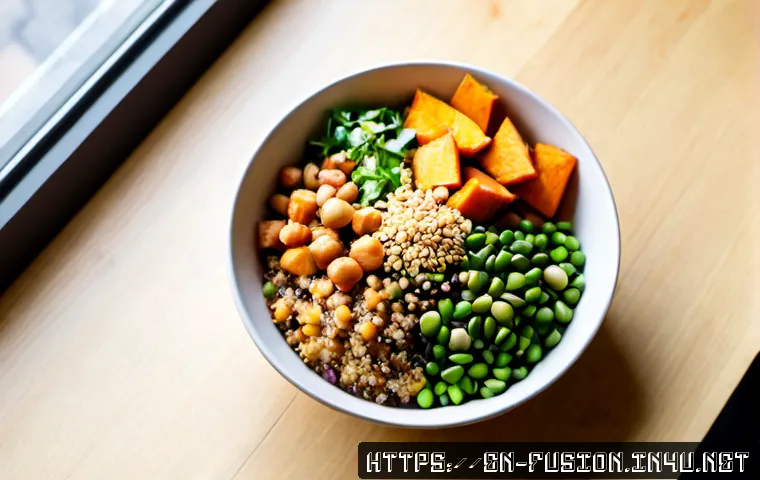
Tofu, chickpeas, beans, lentils, hummus, and plain plant-based yogurt can create satisfying vegetarian sandwiches. Combine a protein-rich filling with crunchy vegetables and a creamy or tangy spread. Chickpea salad with herbs, tofu with sesame-lime slaw, and hummus with roasted vegetables are practical starting points.
Prepared plant-based products vary widely in ingredients and seasonings. If you are choosing them for a lower-sugar lunch, read the product label rather than assuming a plant-based item is automatically lower in sugar.
Mild and spicy variations using the same core ingredients
Make one mild base, then offer optional heat at the table. Keep chili flakes, sliced jalapeños, hot sauce, or chili-garlic paste on the side. This lets families share the same chicken, turkey, tofu, or chickpea filling without preparing separate meals.
For a milder flavor, use herbs, lemon, garlic, and yogurt. For a bolder version, add smoked paprika, cumin, ginger, chili, or a sharper vinegar. The main sandwich structure stays the same.
Selection Criteria and Comparison Summary
Before shopping, use these checks to choose ingredients that match your priorities:
- Condiment label: compare sweeteners, serving size, and whether the sauce brings flavor beyond sweetness.
- Protein format: choose plain cooked proteins when you want the most control over marinades and seasonings.
- Bread or wrap: compare added sugars where listed, ingredients, texture, and how well the base holds up for packed lunches.
- Vegetable preparation: check pickles, slaw kits, and roasted vegetable mixes for added sauces or sweeteners.
- Meal-prep equipment: choose reusable containers with separate sections or small sauce cups if sogginess is a recurring problem.
For convenience, a ready-to-use low-sugar condiment and cooked protein may be worthwhile. For flavor control and budget, plain yogurt, vinegar, herbs, spices, and a simple reusable container system are often more versatile. Check product details, ingredient lists, and storage guidance on the relevant product page before buying.
In Closing
Low-sugar fusion sandwiches do not need to be plain or restrictive. Start with a savory filling, add vegetables for crunch, and use acid, herbs, spice, and creamy ingredients to replace the role of a sweet sauce. A few careful choices at the grocery store can make weekday lunches more flexible and easier to repeat. Build around ingredients you will actually use, then adjust each sandwich to your taste.
Useful Things to Know
1. A sauce can be flavorful without being sweet when it includes acid, aromatics, and heat.
2. Plain yogurt can work as a sandwich spread, sauce base, or cooling contrast for spicy fillings.
3. Separate sauce containers help preserve bread texture during meal prep.
4. One cooked protein and one crunchy slaw can become several different lunches with small seasoning changes.
Important Notes
Exact sugar content varies by brand, recipe, portion size, bread, sauce, marinade, cheese, and filling. “Low sugar” does not have one universal definition for every recipe or shopper. If you manage diabetes, food allergies, gluten-related needs, or a sodium-restricted eating pattern, review product labels and choose ingredients based on your individual requirements.
Frequently Asked Questions
Q1. What is the best bread for a low-sugar sandwich?
A1. The best choice is a bread, wrap, or alternative base that fits your taste and dietary needs while having an ingredient list you are comfortable with. Compare added sugars where listed, serving size, and whether the bread is naturally savory. Open-faced sandwiches, lettuce cups, and wraps can also be useful options depending on your lunch routine.
Q2. Which store-bought sauces are usually the easiest to fit into a low-sugar sandwich recipe?
A2. Plain mustard, salsa, vinegar-forward hot sauces, unsweetened yogurt-based sauces, and simple sesame or chili condiments may be easier starting points than sweet chili sauce, teriyaki-style glaze, or sweet bottled dressings. Always compare the individual label because ingredients vary by product.
Q3. Are fusion sandwiches suitable for meal prep, or do they get soggy too quickly?
A3. They can work well for meal prep when you keep wet ingredients separate. Pack sauces, slaw, salsa, and juicy vegetables in separate containers, then assemble near lunchtime. Choose sturdy vegetables and a sandwich base that holds up well for your preferred storage time.