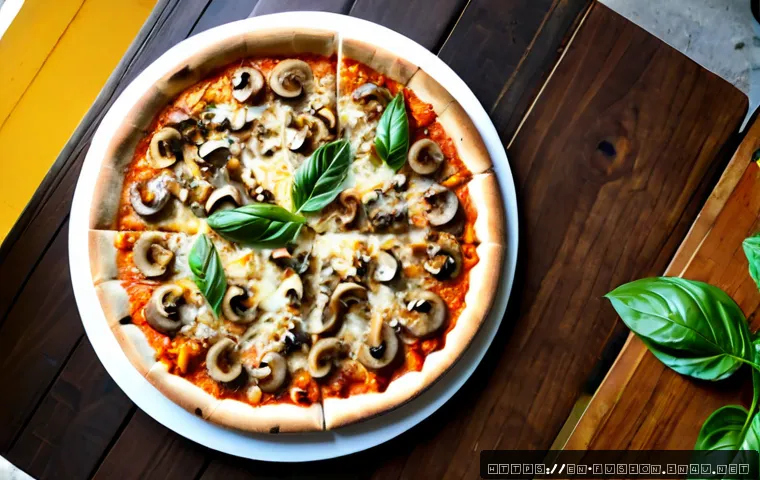
Alternative meats can work very well on fusion pizza when their flavor, moisture, and texture fit the sauce, cheese, and oven heat. They are worth considering when they create a clear menu choice for vegan, flexitarian, or variety-seeking diners—not simply because the label sounds meat-like.
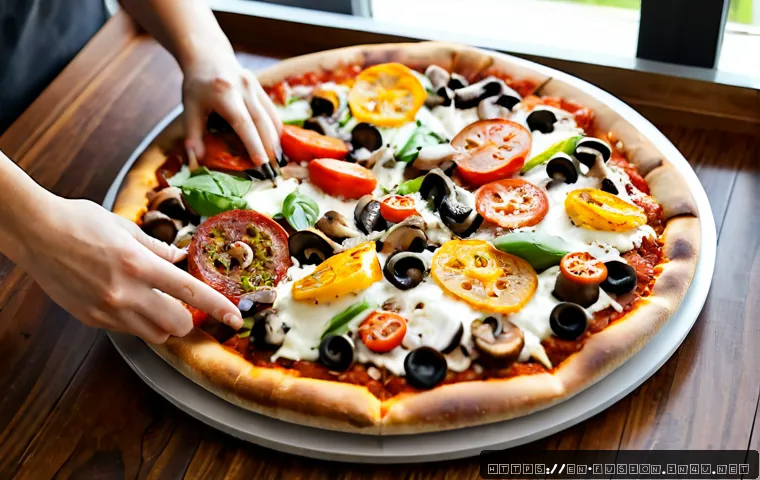
For home cooks, the main decision is usually flavor balance and crust texture. For foodservice operators, usable yield, portion control, supplier consistency, and allergen information matter just as much as package price.
A small test bake is often more useful than judging a topping straight from the package.
At a Glance
- Choose alternative meats by sauce compatibility, moisture level, and oven performance, not by name alone.
- Wet or heavily seasoned toppings can soften crusts or overwhelm a pizza after high-heat baking.
- Compare usable yield, portion size, allergen details, and cost per pizza before ordering for a menu or event.
| Alternative Topping Type | Flavor and Texture Direction | Moisture / Oven Risk | Preparation Focus | Cost-per-Serving Consideration |
|---|---|---|---|---|
| Plant-based sausage-style crumbles | Usually savory, seasoned, and familiar in bite | Can brown quickly; seasoning may intensify | Check whether pre-cooking or draining improves the result | Measure the actual portion used, not only the package price |
| Mushroom, jackfruit, and vegetable-forward toppings | Earthy, lighter, or more produce-led profiles | Moisture can affect crust crispness | Drain, cook off moisture, or use a restrained portion when needed | Assess trim, cooking loss, and usable yield |
| Tofu, tempeh, and seitan | Flexible bases for marinades and global flavors | Can dry, brown, or release moisture depending on preparation | Marinade carefully and test at the intended oven heat | Include marinating and prep time in the comparison |
What Makes an Alternative Meat Work on Fusion Pizza?
The Quick Answer: Match the Topping to the Sauce, Cheese, and Oven Heat
A successful fusion pizza begins with a clear flavor role. A spicy, sausage-style crumble may suit a creamy or mildly sweet sauce, while mushroom-forward toppings can work well with earthy, tangy, or herb-led combinations. The topping should not compete with every other element. One strong flavor direction is usually easier to manage than several intense ones.
Consider the cooking method before choosing an ingredient. Pizza ovens can intensify smoke notes, saltiness, sweetness, and surface browning. A topping that tastes balanced before baking may become sharper or saltier on the finished pizza.
Why Moisture, Seasoning, and Fat Matter More Than the Label Alone
“Plant-based” does not describe how a topping behaves in an oven. Products vary widely in protein source, seasoning, fat content, and moisture level. A high-moisture topping may make the crust less crisp if it is added without suitable preparation, while a dry topping can become firmer or more browned than expected.
For this reason, check the ingredient label and test one pizza before committing to a larger order. Moisture management and portion size are often more important than whether the topping is designed to resemble a specific meat.
When a Premium Alternative Topping Can Add Menu Value
A higher ingredient cost may make sense when it supports a distinct menu need: a fully vegan option, a familiar-texture choice for flexitarian diners, or a limited-time fusion pizza with a clear flavor story. It may be less useful when the topping is hidden under an aggressively seasoned sauce and customers cannot recognize its intended role.
For restaurant menu development, treat the topping as part of the overall offer. Ingredient sourcing, prep labor, food cost, and customer expectation should all be reviewed together.
Compare Alternative Meat Options by Flavor, Texture, and Cost
Plant-Based Sausage-Style Crumbles for Spicy and Savory Pizzas
Sausage-style crumbles can be a practical fit for pizzas built around savory, smoky, or spicy flavors. They can provide a recognizable topping format for diners who want a familiar pizza experience without requiring a meat-centered menu. Because prepared crumbles may already be seasoned, use restraint with salty sauces, cured-style toppings, salty cheeses, or spice-heavy finishing sauces.
Watch surface browning in a hot oven. A brief pre-cook or a small test portion can help determine whether the topping should go on raw, cooked, or partially cooked.
Mushroom, Jackfruit, and Vegetable-Forward Toppings for Lighter Profiles
Mushrooms, jackfruit, and other vegetable-forward options can make a fusion pizza feel less processed and more ingredient-led. Mushrooms can bring an earthy note, while jackfruit and vegetables can carry sauces and seasonings in a lighter format. These toppings are especially useful when the menu goal is variety rather than a close meat comparison.
The main caution is water. Do not overcrowd a pizza with wet ingredients. Cook, drain, or portion them carefully so the crust has a better chance to stay crisp.
Tofu, Tempeh, and Seitan for Marinaded Fusion Combinations
Tofu, tempeh, and seitan are adaptable choices for marinaded fusion combinations. They can take on flavor profiles inspired by Mediterranean, Mexican, Korean-style, or Southeast Asian cooking, but their final result depends on the marinade, cut size, and oven time. A sweet, salty, or smoky marinade can concentrate during baking.
Use a controlled amount of marinade and avoid adding excess liquid directly to the pizza. Check current product labels for dietary suitability and allergens, because a product cannot be assumed to be vegan, gluten-free, or allergen-safe based on its category.
Comparison Criteria: Serving Cost, Usable Yield, Allergens, and Preparation Time
For home pizza makers, compare pack size with the number of pizzas you realistically plan to make. For foodservice buyers, the package price is only a starting point. Usable yield includes what remains after draining, trimming, cooking, and portioning.
Also compare preparation time. A lower-priced ingredient may require more handling, while a ready-to-use product may simplify service. Plant-based meat products may contain soy, wheat, peas, or tree nuts depending on the product, so allergen information belongs in every supplier comparison.
Build Balanced Fusion Flavor Combinations
Pairing Spicy Toppings With Creamy, Tangy, or Sweet Sauces
Spicy alternative meats often benefit from a balancing element. A creamy base can soften heat, a tangy sauce can add contrast, and a mild sweet note can round out savory flavors. The goal is balance, not a crowded flavor list. If the topping is already heavily seasoned, choose a simpler sauce.
Choosing Cheeses and Dairy-Free Alternatives Without Overpowering the Topping
Cheese or dairy-free cheese should support the topping rather than bury it. A rich or strongly flavored cheese can overwhelm vegetable-forward toppings, while a lighter option may allow a marinade or mushroom profile to remain noticeable. For a fully vegan menu, verify the current label of every component rather than assuming suitability.
Fusion Pizza Ideas by Flavor Profile
A Mediterranean-inspired direction can emphasize herbs, tangy elements, mushrooms, or a lightly seasoned protein alternative. A Mexican-inspired direction can use savory crumbles with a balanced sauce and controlled heat. Korean-style and Southeast Asian-inspired combinations can use marinated tofu, tempeh, or seitan, but sauces should be applied carefully because sweetness, salt, and smoke can become stronger in the oven.
Avoiding Salt-on-Salt and Heat-on-Heat Clashes
A common mistake is layering a seasoned alternative meat with a salty sauce, assertive cheese, and a salty finishing ingredient. Another is using a spicy topping with a spicy sauce and spicy garnish. Choose one primary source of salt and one primary source of heat, then let the remaining ingredients provide contrast.
Preparation Steps and Common Oven Mistakes

Pre-Cooking, Draining, or Seasoning Toppings Before Assembly
Some toppings benefit from pre-cooking or draining before they reach the pizza. This can reduce excess moisture and make browning easier to control. Others may only need a lighter seasoning because their prepared flavor profile becomes stronger after baking.
Portion Control to Protect Crust Texture and Food Cost
More topping does not automatically create a better pizza. Excess quantity can trap moisture, reduce crispness, and increase food cost. Use a consistent portion for each pizza, then judge whether the topping remains visible, balanced, and enjoyable after baking.
Managing Browning and Drying in Home Ovens Versus Commercial Pizza Ovens
Home ovens and commercial pizza ovens can produce different browning and drying results. Test the topping at the actual temperature and bake time used for service. A topping that works on a home pizza stone may need a different portion, placement, or pre-cook approach in a hotter commercial oven.
Allergen Separation and Label-Checking Practices
Keep separate utensils, containers, and work surfaces where appropriate for ingredients with different dietary or allergen requirements. Review current labels each time a product changes, especially when comparing foodservice supplier options. Product categories alone do not confirm whether an item is vegan, gluten-free, halal, or suitable for a specific allergy need.
Which Alternative Meat Fits Your Goal?
Best Fit for a Fully Vegan Pizza Menu
Choose a topping only after confirming the label and considering the entire pizza, including sauce, cheese alternative, and finishing ingredients. A vegan menu works best when the topping is treated as part of a complete, clearly checked recipe rather than an isolated substitute.
Best Fit for Flexitarian Customers Who Want Familiar Texture
Plant-based sausage-style crumbles may be a useful starting point for customers looking for a familiar savory topping format. Keep the flavor pairing approachable and avoid excessive seasoning. Familiar texture can help, but the finished pizza still needs a balanced crust, sauce, and cheese relationship.
Best Fit for Vegetable-Forward, Lower-Processed Menu Positioning
Mushrooms, jackfruit, and other vegetable-forward ingredients may suit a menu that wants the topping to feel visibly produce-led. They can work especially well when the pizza concept highlights fresh flavor, herbs, acidity, or a restrained sauce. Manage moisture carefully.
Best Fit for Small Restaurant Trials and Limited-Time Specials
For a small trial, select one alternative topping and build one clear flavor combination around it. Track the portion used, preparation steps, usable yield, and diner response before expanding. This approach can reduce the risk of committing to a supplier or menu price without local testing.
Selection Criteria and Comparison Summary
Before choosing an alternative meat topping, check flavor match, moisture behavior, oven browning, portion size, allergen information, usable yield, and supplier reliability. Estimate ingredient cost per pizza by dividing the usable product cost by the number of properly portioned pizzas it produces. If the topping needs draining, pre-cooking, or marinating, include that handling in the comparison. When the menu decision is uncertain, test multiple products instead of selecting one based only on package price. Compare pack size, allergen information, preparation needs, and cost per pizza before ordering.
In Closing
The best alternative meat for fusion pizza is the one that fits the finished pizza, not the one with the most ambitious label. Match seasoning to the sauce, control moisture, and test oven performance before making a larger purchase. For restaurants, review usable yield and portion cost alongside ingredient sourcing and prep requirements. For home cooks, one small bake can prevent a soggy or overly salty result.
Useful Information to Know
1. High-moisture toppings can reduce crust crispness if they are not prepared appropriately.
2. Heat can intensify sweetness, saltiness, smoke, and surface browning.
3. Common allergens in alternative meat products may include soy, wheat, peas, or tree nuts.
4. Dietary claims should be verified on the current product label.
Important Notes
There is no single alternative meat that will suit every fusion pizza style or every customer group. Retail and wholesale prices vary by market, package size, supplier, and contract terms. Customer acceptance of a menu price change also requires local testing. Always verify current ingredients, allergen statements, dietary suitability, and handling guidance before serving or listing a pizza on a menu.
Frequently Asked Questions
Q1. Are alternative meats good on pizza, or do they become dry in the oven?
A1. They can work well, but results depend on the product’s moisture, fat, seasoning, portion size, and oven heat. Some toppings brown or dry quickly, while wetter toppings can soften the crust. Test the topping using the same oven method you plan to use for service.
Q2. Which alternative meat is best for a vegan fusion pizza?
A2. The best fit depends on the sauce, cheese alternative, and flavor direction. Tofu, tempeh, seitan, mushroom-based toppings, and prepared plant-based products can all be options, but current labels must be checked. Do not assume a product is vegan or suitable for a specific dietary need without verification.
Q3. How should a restaurant compare the cost of plant-based meat toppings with conventional pizza toppings?
A3. Compare the cost based on usable yield and portion size, not package price alone. Include draining, cooking loss, prep time, and the amount used on each pizza. Compare pack size, allergen information, and cost per pizza before ordering from a foodservice supplier.