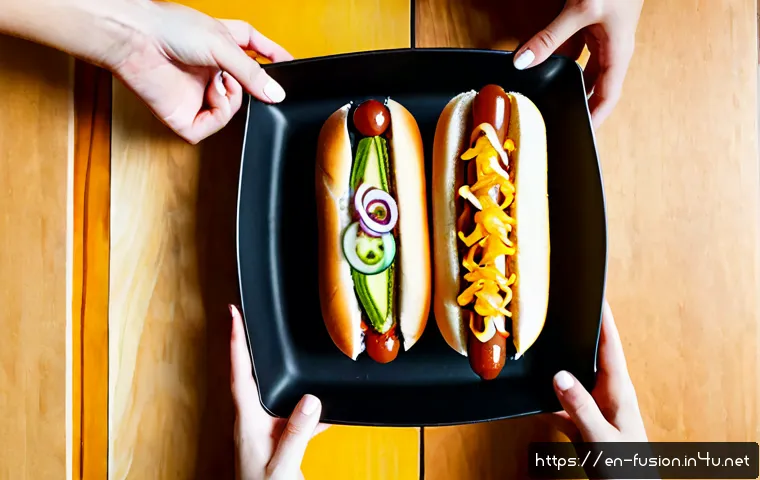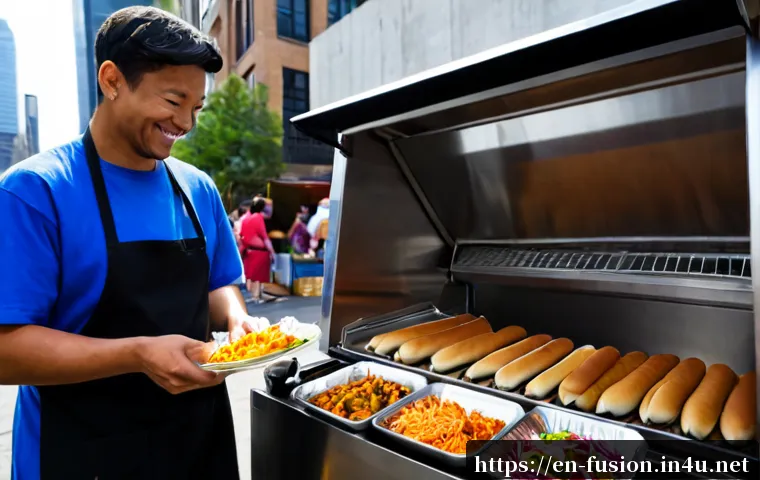
Fusion hot dogs became mainstream because they kept the familiar, handheld appeal of a classic hot dog while making new flavors easy to try. Their growth was supported by flexible customization and a more accessible route into premium casual dining than a full sit-down meal.
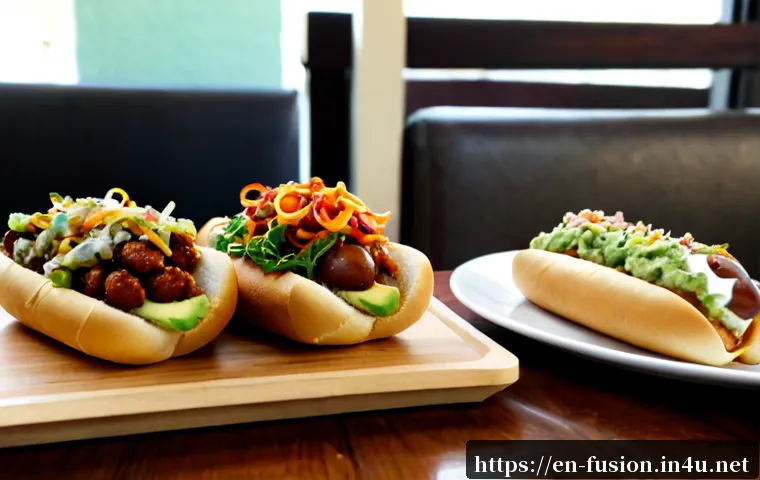
For diners, the best choice is not always the most overloaded option; it is the one with clear flavors, solid ingredients, and a price that matches the portion and experience.
For operators, they offer a useful format for menu development, food-truck service, catering, and limited-time testing. The basic structure stays recognizable even when the toppings, sauces, bread, or protein change.
That combination of comfort and novelty is what made creative hot dogs easier to order repeatedly rather than treat as a one-time gimmick.
At a Glance
- Fusion hot dogs spread by pairing a familiar street-food format with flavors from more than one culinary tradition.
- Food trucks, pop-ups, festivals, and fast-casual restaurants gave customers lower-commitment places to try unusual combinations.
- A higher menu price can make sense when ingredient quality, portion size, customization, and service speed support it.
| Style | Flavor Approach | Preparation Complexity | Typical Customer Appeal | Value Check Before Ordering |
|---|---|---|---|---|
| Classic hot dog | Familiar condiments and a straightforward format | Lower | Quick, recognizable, and convenient | Freshness, bun quality, and basic portion satisfaction |
| Gourmet hot dog | Premium toppings or specialty ingredients | Moderate | Customers seeking a more substantial casual meal | Whether premium ingredients improve the eating experience |
| Regional hot dog | Ingredients associated with a local food tradition | Moderate | Local curiosity and regional-food interest | Clear description and a balanced version of the style |
| Fusion hot dog | Combined culinary influences, sauces, proteins, or toppings | Moderate to higher | Experiment-minded diners and social food discovery | Flavor clarity, portability, customization, and total value |
Why the Hot Dog Became an Ideal Canvas for New Flavors
The hot dog was already a familiar part of street vending, sporting events, fairs, and casual dining in the United States. That history matters because diners generally understand the format before they encounter an unfamiliar sauce, topping, or protein. A creative version may feel new, but the basic decision remains simple: it is still a handheld meal in a bun.
A Familiar Handheld Food With Low Ordering Risk
A fusion dish can feel intimidating when every part of it is unfamiliar. A hot dog reduces that concern because the structure is recognizable. Customers can try a regional spice blend, a globally inspired sauce, or a different topping combination without committing to a large, formal meal. For a food-truck business or pop-up, that familiarity can make menu discovery easier.
Custom Toppings Made Experimentation Feel Accessible
The format is adaptable without changing its basic purpose. Toppings, sauces, breads, and proteins can shift while the item remains portable and easy to understand. This also gives diners a degree of control. A customer may be willing to try a new flavor idea if heat, sauce, or certain toppings can be adjusted.
That flexibility has a practical limit. Too many additions can make the hot dog difficult to hold, slow to assemble, or messy to eat. A strong concept uses customization to support the main flavor idea, not to hide an unclear one.
From Stadium Snack to Fast-Casual Meal
Classic hot dogs are often associated with quick service. Creative versions expanded the format into a more meal-focused fast-casual option by adding specialty ingredients, broader dietary choices, or more substantial toppings. This does not automatically make every version better. It changes what the customer is evaluating: not just speed, but ingredient quality, portion expectations, and menu value.
The Forces That Moved Inventive Hot Dogs Into the Mainstream
Inventive hot dogs did not need every customer to become an adventurous eater. They needed settings where trying something unfamiliar felt easy, visible, and low pressure. Street-food formats helped create that path.
Street-Food Culture, Food Trucks, and Local Festivals
Food trucks, pop-ups, and festivals can introduce unfamiliar flavor combinations in settings built around browsing and trying different foods. A customer may be more open to a fusion hot dog at a local event than when choosing a full restaurant meal. For operators, these formats can also support menu testing before a permanent restaurant menu change.
A limited run can reveal useful operational questions: Is assembly manageable during a rush? Do customers understand the description? Are specialty ingredients creating unnecessary waste? A test can inform menu planning, but it cannot prove profitability without local sales, labor, ingredient-cost, and waste data.
Regional Flavors and Global Culinary Influences
Fusion cuisine combines traditions, ingredients, or preparation styles from more than one food culture. On a hot dog menu, that can mean using a sauce, seasoning approach, bread choice, or topping combination associated with another culinary tradition. The best versions have a clear flavor direction rather than a random collection of “international” ingredients.
Operators should also avoid treating cultural references as decoration. Naming, sourcing, ingredients, and context all deserve attention. Whether a particular menu item is culturally appropriate requires understanding beyond a label on a menu board.
Visual Appeal, Shareability, and Menu Discovery
Colorful, oversized, or regionally inspired items can attract attention in photos and social media posts. That visibility may help customers discover a food truck, catering menu, or fast-casual restaurant. Still, presentation should not interfere with eating. A photogenic stack of toppings that slides off after one bite is unlikely to create a strong repeat order.
Classic, Gourmet, Regional, and Fusion Styles Compared
These categories can overlap. A regional hot dog may use premium ingredients, and a gourmet hot dog may also be fusion-inspired. The more useful question is what the menu promises and whether the finished item delivers on that promise.
Flavor Approach, Portion Expectations, and Preparation Time
A classic style usually prioritizes familiarity and speed. A gourmet version may emphasize specialty ingredients. A regional version may highlight a local tradition, while a fusion hot dog brings more than one culinary influence into a single handheld format. As toppings and sauces increase, preparation can become more complex. That affects service speed, staff workflow, and the customer’s willingness to wait.
When Premium Ingredients Justify a Higher Menu Price
Premium toppings and specialty ingredients may raise menu prices, but they can also raise food costs and operational complexity. A higher-priced hot dog is easier to understand when customers can see what they are receiving: a satisfying portion, well-chosen ingredients, dietary flexibility, or meaningful customization. It is less convincing when the price rises but the description stays vague.
For a casual-dining owner, pricing should not be based on novelty alone. Food cost, labor, waste, portion control, and local alternatives all matter. The right price cannot be assumed from another city, another event, or another brand.
What Diners Should Look for Before Paying More
Before choosing a premium or fusion option, look for a clear menu description. Ask whether the toppings complement the protein and bun, whether the portion fits your appetite, and whether dietary options are available if needed. A useful standard is simple: the item should taste intentional, stay reasonably portable, and feel fairly priced compared with nearby casual alternatives.
How Restaurants Turn a Creative Concept Into a Repeat Order
A novelty topping can earn attention once. A repeat-purchase item needs better fundamentals: clarity, balance, consistency, and a workflow that works during busy service.

Build Around One Clear Flavor Idea
Start with one easy-to-explain idea rather than several competing ones. The menu description should tell customers what they will taste, not just list ingredients. Clear language is especially important for a food truck, where ordering decisions often happen quickly.
Balance Texture, Sauce, Heat, and Portability
A good fusion hot dog needs contrast without chaos. Crunch can balance a soft bun, sauce can connect dry components, and heat should support rather than overwhelm the core flavor. Most importantly, it should remain a handheld food. If customers need multiple napkins and a strategy before the first bite, the concept may need simplification.
Test Limited Runs Before Expanding the Menu
Limited-time menus, pop-ups, and catering events can be practical testing grounds. Operators can compare customer questions, ordering patterns, prep demands, and leftover ingredients before making a broader commitment. A concept that looks attractive on a menu may still be too slow or wasteful for regular service.
For larger experiments, review menu-planning resources and food-truck equipment options with the actual service setup in mind. The useful question is not whether a topping is trendy, but whether the team can prepare it consistently and safely within the available workspace.
Avoid Waste, Slow Service, and Confusing Descriptions
Common mistakes include overloaded builds, hard-to-source specialty ingredients, unclear names, and too many final assembly steps. Each problem can affect the customer experience and the operator’s margin. A shorter, more focused menu may be more effective than a large list of complicated variations.
Where Different Fusion Styles Work Best
The best venue depends on customer expectations, service speed, and how much customization the operation can handle. No single fusion style is guaranteed to work in every city or customer segment.
Food Trucks, Sports Venues, Breweries, and Festivals
These settings suit handheld food and quick menu discovery. Food trucks and festivals can be especially useful for testing creative combinations. Sports venues may favor items that are easy to carry, while breweries may attract customers interested in bolder food choices. In every case, fast assembly and portability remain important.
Fast-Casual Restaurants and Late-Night Dining
Fast-casual restaurants can give customers more time to consider customization and dietary preferences. Late-night dining may reward satisfying, easy-to-order food, but complicated builds can still slow service. Vegetarian, vegan, poultry, and plant-based options may expand appeal in some markets, provided the menu descriptions are clear.
Catering, Office Events, and Customizable Group Menus
Catering can work well when the menu offers a manageable range of toppings and clear dietary choices. For office events or group service, a build-your-own format may be useful if the vendor can maintain quality and keep the line moving. When evaluating catering, ask about serving format, customization limits, ingredient handling, and timing rather than assuming every creative concept scales smoothly.
Choosing the Right Fusion Hot Dog Experience
Use these checks before ordering or adding a fusion hot dog to a menu:
- Flavor clarity: Can you tell what the main idea is from the menu description?
- Quality and portion: Do the ingredients and portion seem appropriate for the asking price?
- Customization: Can sauces, heat, or toppings be adjusted when that matters to you?
- Dietary needs: Are vegetarian, vegan, poultry, or plant-based choices described clearly where relevant?
- Portability: Does the build seem practical for the venue, especially at a festival or sports event?
- Service fit: For an operator, can the item be prepared without excessive waste or slow assembly?
When comparing vendors, catering packages, restaurant equipment, or menu-planning tools, check the relevant product or service page for current features, service conditions, and suitability for your operation. A simpler classic hot dog may be the better choice when speed, familiarity, or easy eating matters more than customization.
In Closing
Fusion hot dogs became more common because they make culinary experimentation feel familiar. They can bring regional and global influences into a format customers already know from street food and casual dining. The strongest versions are not defined by the number of toppings. They are defined by a clear idea, balanced construction, and value that makes customers want to order again.
Useful Things to Know
1. A colorful presentation can improve visibility, but it should not undermine portability.
2. Limited-time menus and pop-ups can help test demand before a permanent menu expansion.
3. Premium ingredients can support a higher menu price while also increasing food cost and complexity.
4. Dietary options may broaden demand in some markets, but local customer preferences still need to be checked.
Important Considerations
No specific fusion style can be assumed profitable or popular everywhere. Results depend on local demand, ingredient cost, labor, waste, service conditions, and customer expectations. The original creator, location, or date of many specific fusion hot dog variations may also be uncertain. Cultural references should be used carefully, with attention to ingredients, naming, sourcing, and context.
Frequently Asked Questions
Q1. Why are fusion hot dogs often more expensive than standard hot dogs?
A1. They may use premium toppings, specialty ingredients, additional sauces, or more involved preparation. Those elements can raise menu prices, but they can also increase food costs and operational complexity. The best value depends on portion size, ingredient quality, customization, and local alternatives.
Q2. Are fusion hot dogs a good menu option for food trucks and catering businesses?
A2. They can be, because the handheld format works well for food trucks, pop-ups, festivals, and group events. However, an operator should test assembly time, ingredient waste, customer understanding, and service flow before making a permanent menu commitment. Limited runs and catering trials can provide useful feedback.
Q3. What makes a fusion hot dog worth trying rather than just a novelty?
A3. A worthwhile version has one clear flavor idea, balanced textures and sauces, a practical handheld build, and a price that matches the quality and portion. If the menu description is confusing or the toppings make the item difficult to eat, novelty may be doing more work than the food itself.